
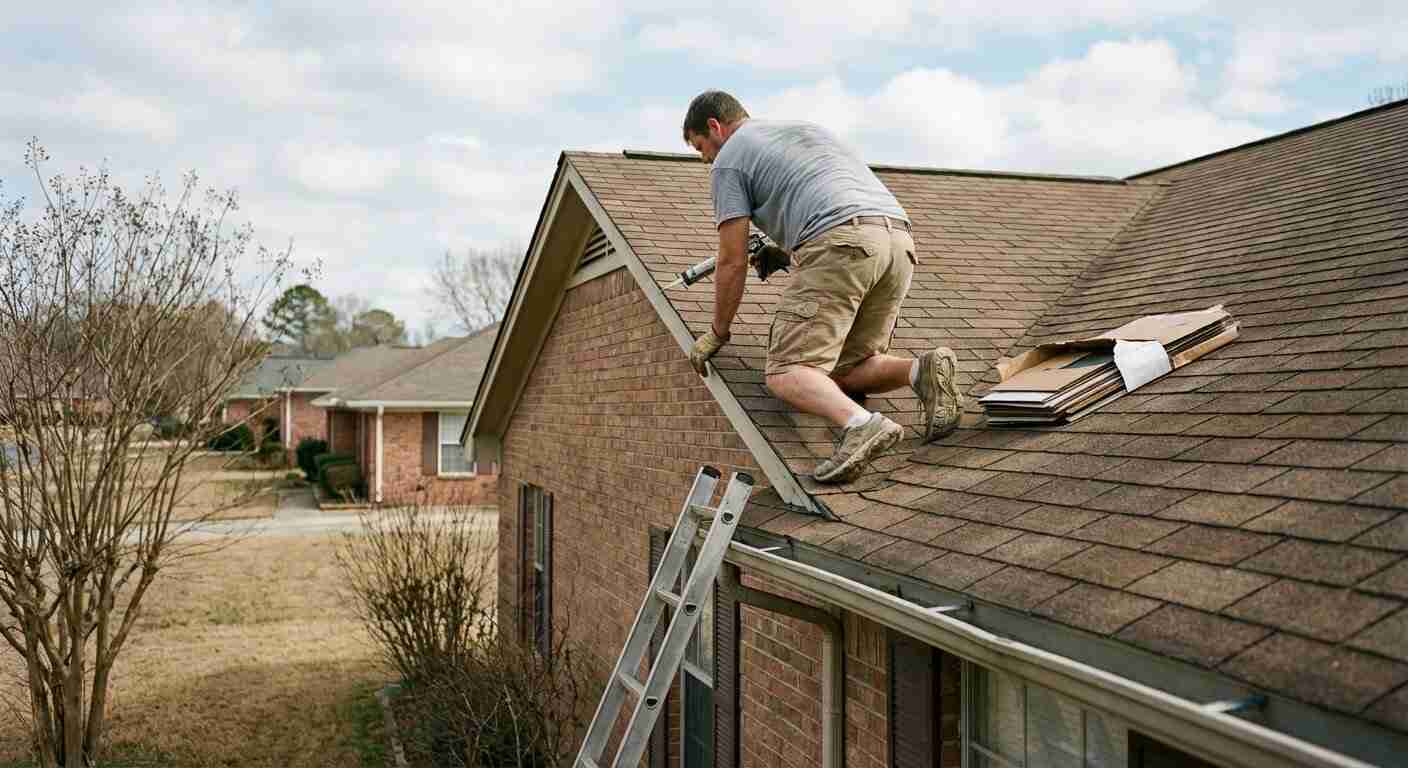
Replacing a roof is rarely a planned expense; it is usually forced by a leak, a storm, or a failed inspection.
Across the country, homeowners are met with wildly varying quotes, making it difficult to separate fair market value from opportunistic markup.
Based on an insight from our internal project dataset, the national average for an asphalt shingle roof replacement currently sits between $8,500 and $14,200.
However, treating nationwide averages as gospel is a fast track to budget overruns.
Your actual price is dictated by regional labor markets, local building codes, and the structural reality hiding beneath your current shingles.
The Regional Reality of Roofing Costs
A quote in the Midwest will not match a quote on the coast.
For example, comparing a high-density ZIP code like 90210 (Beverly Hills, CA) to a mid-market ZIP like 64108 (Kansas City, MO) reveals a stark contrast: California homeowners routinely see bids 40% higher for the exact same square footage simply due to elevated labor rates and stringent insurance requirements.
- The Sunbelt & Hurricane Zones: In coastal neighborhoods like the barrier islands of Fort Myers, Florida, building codes require specialized peel-and-stick underlayment and enhanced nailing patterns to withstand Category 4 winds. This adds roughly $1.50 to $2.50 per square foot to the base cost.
- The Northeast & Historic Districts: Take the historic enclaves of Beacon Hill in Boston. Replacing a roof here often involves navigating strict architectural review boards and handling century-old slate, which requires specialized craftsmen.
- The Midwest & Hail Belts: Across Tornado Alley, there is a massive shift toward Class 4 impact-resistant architectural shingles. While they cost 10-20% more upfront, they prevent the need for another replacement after the next major hail storm.
Uncovering the Hidden Costs
Contractors quote the “square” (a 100-square-foot area of roofing), but the final invoice often balloons due to the unknowns.
The most common homeowner objection is the fear of mid-project upcharging.
Here is the insight from our internal project dataset: 38% of nationwide roof replacements require at least partial decking replacement.
If your home is a 1970s post-war ranch or a split-level, there is a high probability the original plywood has suffered slow moisture degradation.
At $70 to $100 per sheet of plywood installed, rotting decking can instantly add $1,500 to your bill.
Value Anchor: Always insist that your contractor’s initial contract hardcodes the price per sheet of replacement decking before the tear-off begins.
Another hidden factor is local municipal friction.
A notable building department quirk is California’s Title 24, which mandates “cool roofs” that reflect solar heat.
If you live in a regulated state, non-compliant materials will fail inspection, forcing a tear-off of brand-new work.
How to Hire Without Overpaying
You mitigate risk through competitive, normalized bidding.
You must ask potential hires for an itemized breakdown separating material costs, labor, and permit fees.
We know from analyzing nationwide estimates that transparent pricing models correlate directly with lower overall project costs and fewer post-installation warranty claims.
Why Mr. Remodel? Putting Data into Action
The insights in this article come directly from our deep experience nationwide.
We believe homeowners deserve transparent, data-driven advice before making a major investment. That is the core of our process.
What MrRemodel.com Does
• They connect you with real, local remodeling contractors who want your project.
• You tell them what you need. They send it to licensed and insured pros in your area.
• Those contractors give you real price estimates, not ads or ballpark numbers.
• You choose who to talk to. There is no obligation to hire anyone.
Ready to start your project with a team that values data and transparency? Apply through MrRemodel.com today for a free, no-obligation quote.