
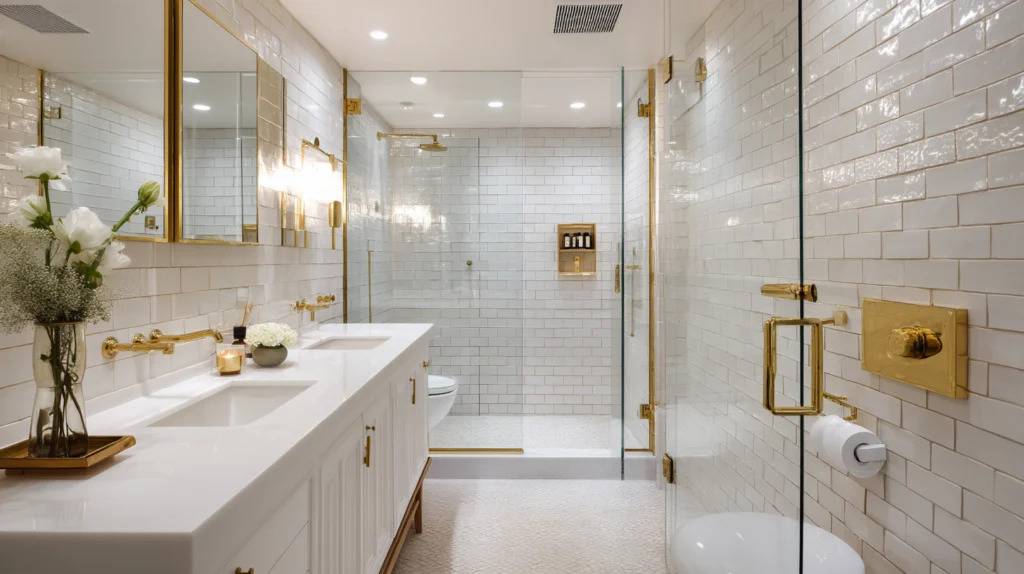
Although some improvement projects, such as cosmetic projects, do not require permits, other improvement projects, which involve plumbing, electricity, and construction changes, and large alterations to the floor plan, will need permits.
The bathroom remodel permits required for 2026 will continue to focus on safety, energy efficiency, and construction.
Knowing when you need to obtain a permit is important in order to avoid future complications with selling your home, unexpected costs, and delays.
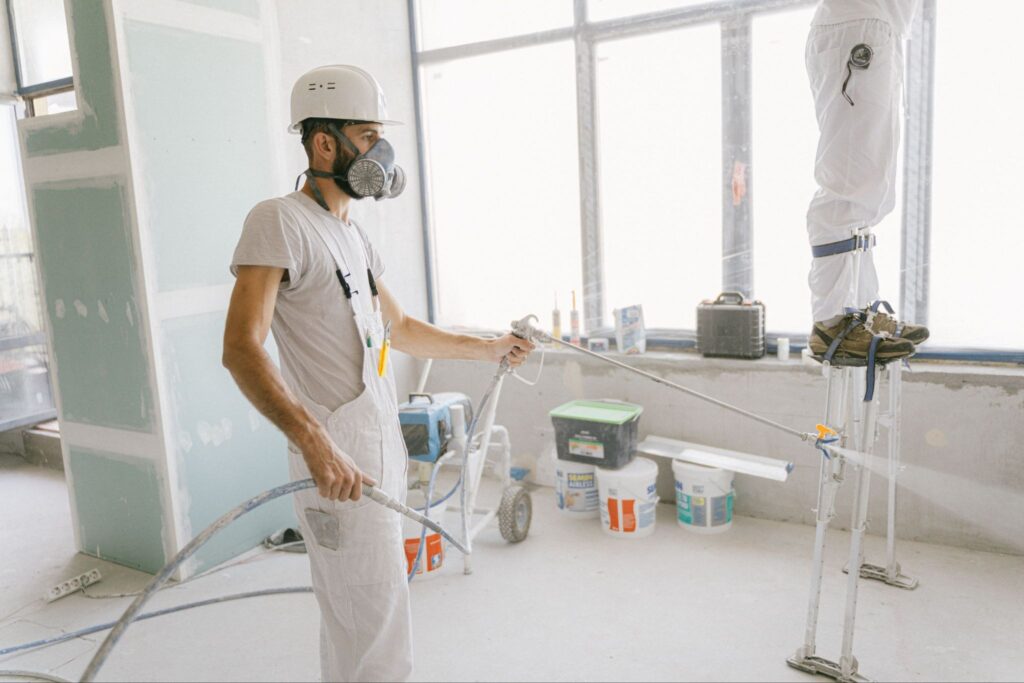
What Is a Bathroom Remodel Permit?
The important thing about permits for bathroom remodeling in Los Angeles is making sure that checks are done to see that critical systems have been installed correctly, such as plumbing and electrical.
The remodeling of a bathroom may be considered a project requiring the following permits:
- Roof Tiles: Needed if a major change in roof structure, such as wall permitting, is required.
- Plumbing permits: May be required for pipe replacement, water line replacement, fixtures, drains, or major plumbing projects.
- Electrical permits: Applying for a new building with wiring, lighting, outlets, or a new building vent.
- Mechanical permits: Required for changes that affect ventilation or heating equipment.
One of the initial considerations for a successful bathroom renovation is knowing what permitting is required.
When Do You Need a Permit for a Bathroom Remodel?
Depending on where you live, there may be certain conditions in which you need permission for large overhauls of the bathroom, as opposed to more superficial alterations.
Bathroom remodel permits are probably required for projects involving:
- Removing and installing a toilet, shower, or sink in the bathroom
- Installing additional plumbing connections
- Incorporating or moving electrical outlets.
- Altering the layout of the bathroom or changing the walls.
For instance, switching a bathtub for a large walk-in shower may change the waterproofing and plumbing around the shower, which needs to be checked.
Bathroom Updates That Typically Don’t Require a Permit
Many cosmetic changes do not require any kind of approval as long as there are no changes in structural, electric or plumbing systems.
Common projects that are not felt to need permits include:
- Painting walls
- Replacing bathroom mirrors
- Replacing countertops
- Installation of new flooring on existing floors
There are still variations across cities and counties. Homeowners, even for small projects, should confirm local rules before starting the project.
How the Bathroom Permit Process Works in 2026
Some jurisdictions have digital plan reviews, and in many places, the permit process has become more streamlined, including offering online permit applications.
A typical process for a bathroom renovation permit consists of the following steps:
- Project scope and determination of permits: Owners or remodelers outline a project and decide on the necessary permits.
- Submitting plans: Compliance drawings, specifications, and project information are submitted to the local building department.
- Plan checks: Plans are submitted to and approved by the authorities.
- Construction can start once it is approved.
- Inspections: Since inspectors will be visiting at the important project stages to ensure that the installation process is performed correctly.
- Final Approval: Once inspections have been deemed successful, the project will be given final approval.
Getting a bathroom renovation permit ready early will avoid delaying a construction project and prevent jumping ahead with plans to trim out a remodeling’s schedule.
Who Is Responsible for Obtaining the Permit?
Permitting responsibility is dependent upon local regulations and the terms of the sale agreement between the homeowner and contractor.
A professional contractor, such as High Touch Remodeling, will usually oversee:
- Preparing the necessary documents
- Submitting permit applications
- Scheduling inspections
- Addressing inspector feedback
- Ensuring work meets code requirements
When entering into a remodeling agreement, it is always essential that one knows who is responsible for obtaining permits.
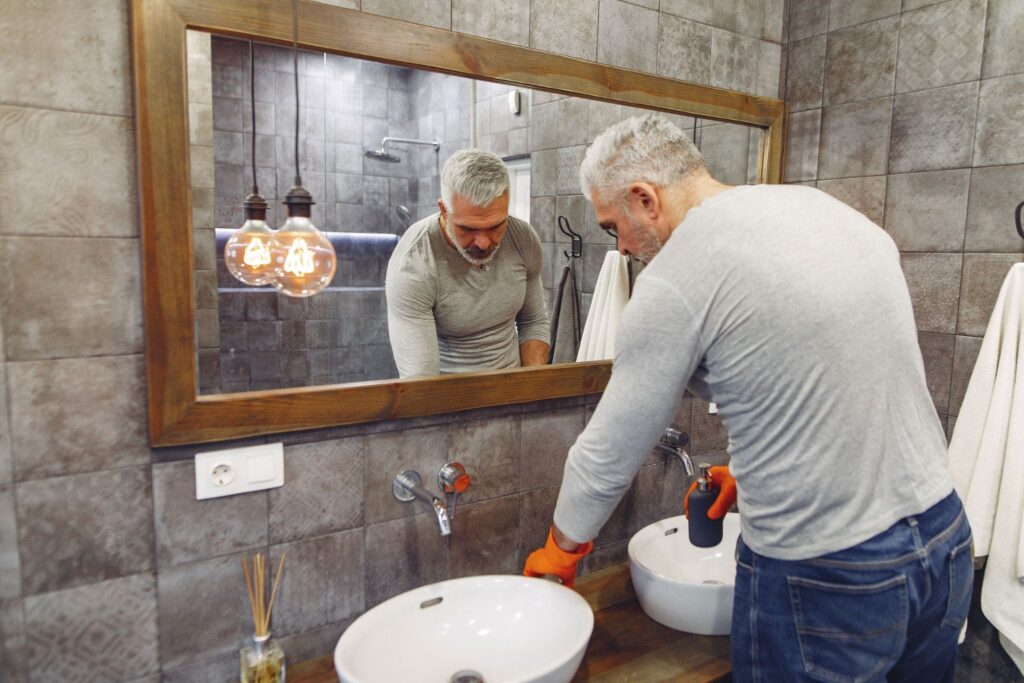
How Much Do Bathroom Remodel Permits Cost?
Permitting costs are going to vary depending on how large the remodel is, what kind of remodel, and the location.
Some of the common costs of a bathroom remodel permit are as follows:
- Flat fee for small, minor renovations.
- Project fees are collected according to the project value.
- Plan review fees
- Inspection fees
Permits may increase the cost up front, but they offer great protection in that they make sure that it is done safely and to code.
Risks of Remodeling Without a Permit
The average cost of a bathroom remodel is $10,000.
There are several times when you may not see the value in getting any permits, but it can lead to major issues later on.
Potential risks include:
- Local authorities’ fines
- Sudden inability to sell property.
- Issues arising in insurance claims.
- Safety concerns related to poor installation.
Damage caused by unpermitted electrical, plumbing, or other work can be particularly problematic, with mistakes often not caught until it causes significant damage.
Conclusion
Permits will be an extremely significant factor when it comes to bathroom remodeling in 2026.
This is because some factors, that include plumbing, wiring, construction, and renovation, might require permits in order to satisfy building regulations, whereas some aesthetic changes might not require any permits at all.
Understanding the permit requirements in advance can save you a lot of trouble later on.