In communities like Bethel Park, Pennsylvania, where homes experience everything from summer heat and heavy rain to winter snow and ice, roofs are constantly exposed to changing weather conditions.
These seasonal shifts can gradually wear down roofing materials, making regular inspections an important part of home maintenance.
Catching minor issues early can help homeowners avoid costly repairs and extend the life of their roof.
Your roof does a lot of quiet work.
It takes the sun, wind, rain, and the occasional angry tree branch without asking for applause.
The problem is that roof damage often starts small and sneaky.
By the time you notice a serious leak, your wallet may already be sweating.
If you know what to look for early, you can catch trouble before it turns into a full-blown home repair headache.
Early warning signs
One of the first clues is often right in front of you, if you know where to look.
Missing shingles, curled edges, dark patches, or sagging areas can all point to roof wear.
You might also spot little shingle granules in your gutters.
Those look like rough black sand, and they usually mean your shingles are aging.
If you live in the area and notice these signs, it may be time to call a Bethel Park roofer before a minor issue turns into a costly mess.
A local pro can tell you whether you need a small repair or something bigger.
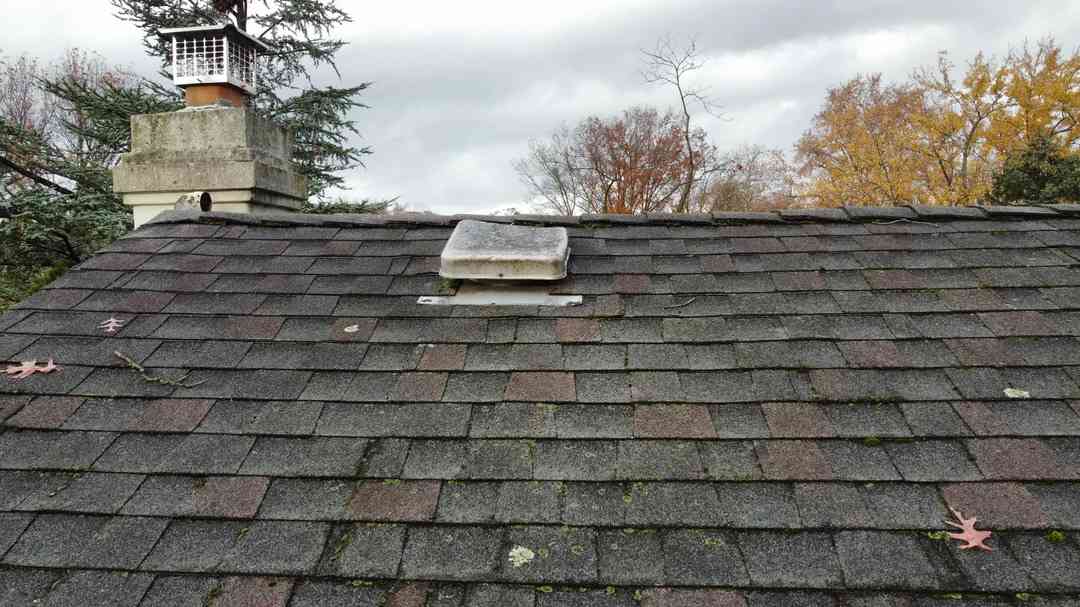
Also pay attention to flashing around chimneys, vents, and skylights.
These spots love to misbehave. If the metal looks loose or rusty, water may already be looking for a way in.
Check after storms
After a strong storm, your roof can take a hit even if everything looks fine at first glance.
Wind can lift shingles just enough to weaken them. Heavy rain can sneak into tiny gaps.
Hail can bruise roofing materials in a way that is hard to see from the yard.
You do not need to climb on the roof to do a basic check. In fact, that is a bad idea unless you know what you are doing. Stay on the ground and look for:
- Shingles on the lawn
- Bent gutters or downspouts
- Debris piles in roof valleys
- Branches resting on the roof
- Pieces of flashing near the house
Grab binoculars if you have them. That gives you a safer view. If one side of the roof looks uneven or battered compared to the rest, do not shrug it off.
Roof problems after storms are like mystery leftovers in the fridge. Ignoring them rarely ends well.
Look inside too
Roof trouble does not always announce itself from outside.
Sometimes the best clues are inside your home.
Water stains on the ceiling, peeling paint near the top of walls, and damp attic insulation can all point back to the roof.
Musty smells are another giveaway.
If a room or attic starts smelling damp for no clear reason, trapped moisture may be the cause.
You might also notice sunlight peeking through the attic boards. That may seem charming for about two seconds, then you remember your roof should not act like a sunroof.
Check the attic after a rainy day if you can.
Look for wet wood, dark streaks, or drips along beams.
Even small spots matter. Water tends to travel before it shows itself, so the leak mark in your bedroom may not be directly under the roof damage.
The goal is not to become a detective with a flashlight and a dramatic soundtrack.
It is just to catch patterns early.
Know your roof age
A roof’s age matters more than many homeowners realize.
Even if it looks decent from the driveway, older roofing materials become more likely to crack, curl, or fail during rough weather.
As a rough guide, asphalt shingle roofs often last around 20 to 30 years.
Metal roofs can last much longer. Wood and other materials vary based on weather, maintenance, and installation quality.
If you bought your home years ago and have no idea how old the roof is, now is a good time to find out.
Age helps you make smarter decisions.
For example, if your roof is only a few years old, a targeted repair may make perfect sense.
If it is near the end of its expected life and starting to fail in several places, patching it over and over may waste money.
Think of it like fixing an old phone with a cracked screen and a dying battery. At some point, replacing it just makes more sense.
Small issues grow fast
A tiny roof issue can become a giant house problem faster than most people expect.
One loose shingle can let in water. That water can soak insulation, stain drywall, warp wood, and create the perfect setup for mold. Suddenly the repair is no longer just about the roof.
This is why waiting rarely saves money.
It usually does the opposite.
A small repair done early is often much cheaper than replacing rotten decking or dealing with interior damage.
Here are a few ways roof problems can snowball:
- Leaks damage ceilings and walls
- Moisture reduces insulation performance
- Mold can spread in hidden areas
- Wood framing may begin to rot
- Energy bills can creep up
You do not need to panic over every little stain or shingle.
Just take signs seriously. Homes are good at giving hints before they start shouting.
When to call help
A simple visual check from the ground is a smart habit. But if you see active leaking, sagging, storm damage, or repeated water stains, it is time to call a roofing professional.
The same goes for roofs that are older and showing several warning signs at once.
When you talk to a roofer, ask practical questions. How bad is the damage right now.
Is repair realistic, or is replacement the better value.
What materials do they recommend for your home and weather.
Can they show photos of the trouble spots.
A good contractor should be able to explain things clearly without making it sound like a science fair project.
It also helps to get an estimate in writing. That way you can compare options and avoid surprises later.
Most of all, do not put yourself at risk trying to inspect a steep or slippery roof.
Saving money is great. Falling off the house is not.
Smart homeowners know when to take a look and when to bring in help.