
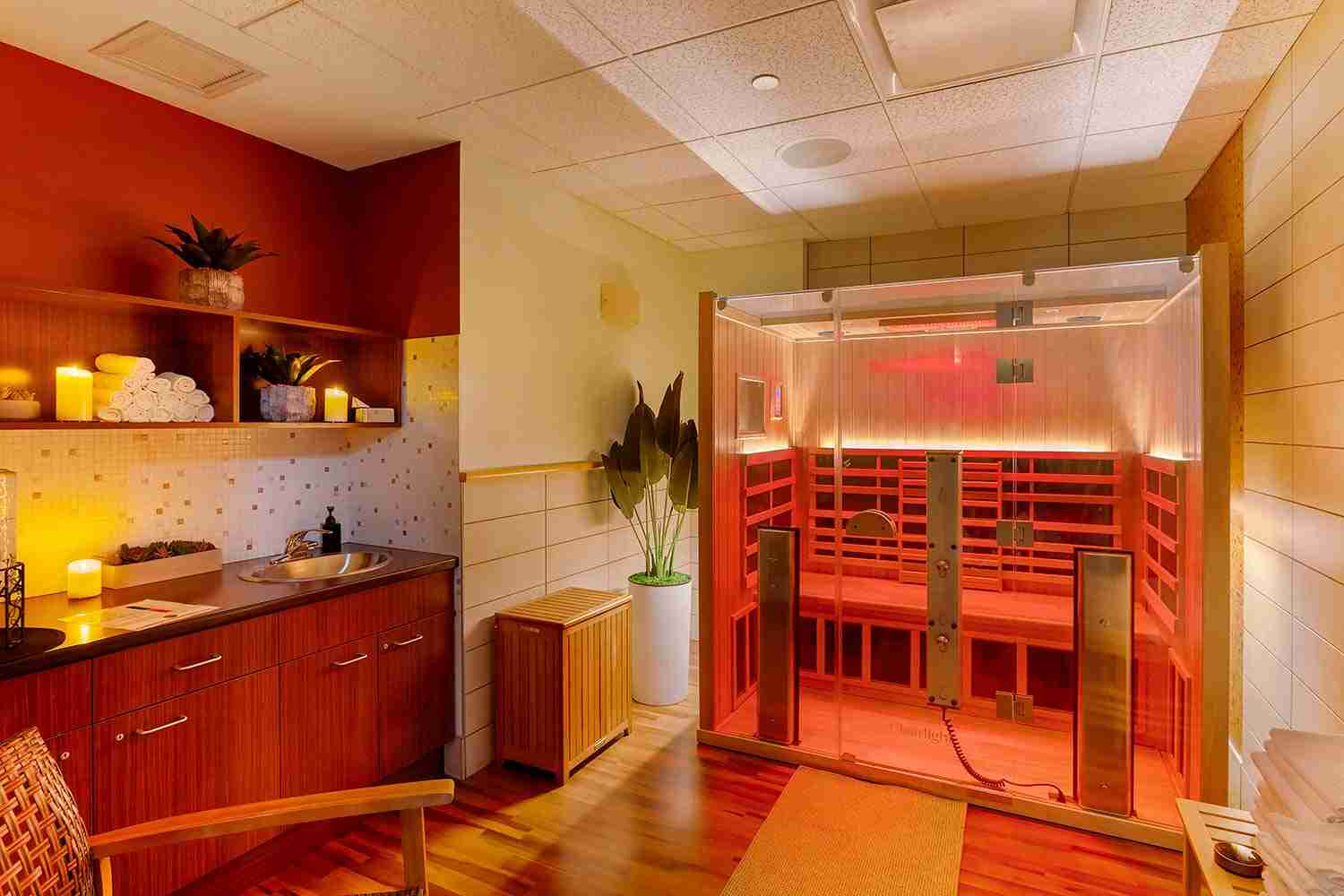
Years ago, back when I was first mapping out my own recovery routine, I spent late nights digging through Reddit threads to find custom-tailored architectural wellness layouts.
That’s where I discovered SaunaCloud, demonstrating that home saunas are viable architectural additions rather than impractical luxury pipe dreams.
Fast forward to today, and in our Tangy House community, we talk a lot about functional styling and smart property choices.
What used to be a niche lifestyle indulgence has officially evolved into what we call invisible biological infrastructure—the integration of air, light, heat, and physical recovery systems built directly into a home’s structural bones.
Installing a home sauna requires upfront capital and floor space, but amortizing these costs over a decade reveals a high-performance asset strategy yielding 10–25% for general longevity infrastructure.
It’s no longer about a temporary, freestanding cedar box that clutter-shames your spare bedroom.
When you build a high-performance wellness space with the right design choices, you’re transitioning your property space from an average residence into a highly valuable, recovery-focused asset.
Key takeaways
- Fully integrated infrared saunas can generate a 50% to 80% resale value uplift relative to their cost, far outperforming the 10% to 25% returns typical of standard structural modifications.
- To qualify for appraiser-recognized equity, a sauna must transition from personal property to a permanent architectural fixture through seamless custom millwork integration rather than functioning as an unplug-and-go portable appliance.
- Modern dry infrared units operate with standard 15a space heater power parity, costing $0.25 to $0.37 per hour while bypassing the complex venting and moisture risks associated with traditional steam systems.
The Return on Wellness: Financial Metrics and Market Projection
Adding a recovery suite is a smart financial hedge against the rising costs of private health care.
Real Estate Premiums in the Multi-Trillion Dollar Wellness Economy
The Global Wellness Institute (GWI) reported that the global wellness economy reached a $5.3 trillion valuation in 2023 and is on a clear path to hit $8 trillion by 2030.
Within this space, residential-specific wellness real estate is expected to exceed $1.114 trillion by 2029—a market segment that has more than doubled in just five years.
Integrating recovery systems directly into a residential floor plan eliminates the recurring costs of external clinical wellness memberships.
In elite developments like Miami’s HQ Residences or the longevity lounges crafted in custom luxury builds like The Canyon, permanent wellness amenities are standard features.
Buyers are paying premiums of up to 30% to secure properties that bundle red light therapy, thermal saunas, and contrast circuits directly into the master floor plan, according to market data from UBS Global Wealth Management and Sotheby’s International Realty.
Comparing Sauna Installation Yields to Traditional Home Upgrades
For standard single-family homes, the numbers tell an equally compelling story.
Real estate transaction and leasing databases, such as RentRedi, reveal that wellness rooms featuring high-performance infrared saunas drive a 50% to 80% resale value uplift on the project cost, though local market variations always apply.
Compare that to traditional residential upgrades.
Standard home extensions, generic basement renovation finishes, or minor bedroom alterations typically only yield a 10% to 25% return.
By creating a built-in biome with specialized recovery benefits, you’re targeting a niche that commands a 50–80% resale value uplift, versus a 10–25% yield for generic room modifications.
The Appraisal Standard: Fixture vs. Personal Property
To capture this equity, you have to understand how a professional home appraiser thinks.
There’s a strict legal and financial line between what they categorize as “personal property” (such as portable units often discussed on infrared sauna forums) and a “permanent fixture.”
If you purchase a cheap, plug-and-play home sauna setup, plug it into a standard wall outlet, and let it sit in the corner of your garage, it doesn’t add a single dollar to your appraised home value.
Why? Because you can cordially unplug it, pack it into a moving truck, and drive away with it.
To an appraiser, that’s no different than a high-end refrigerator or a treadmill.
To convert your sauna into actual, appraised real estate value, it must be structurally integrated into the home’s design or utility architecture.
It must look like it cannot be removed without altering the building itself.
This structural commitment is why it’s so important to pick hardware with long-term survival in mind.
When you choose a system covered by a lifetime residential warranty—like those from Clearlight—you aren’t just buying gear.
You’re securing a permanent, reliable fixture that reassures future buyers about your home’s quality.
You’re investing in a permanent, industrial-grade fixture rather than betting on a depreciating, temporary consumer appliance.
Architectural Integration: Turning Hardware into Built-In Joinery
Integrating a sauna requires careful space planning and design finish.
The objective is to integrate hardware as architectural millwork to protect home resale valuation.
Case Study: Seamless Millwork and Award-Winning Bathroom Integration
If you want to see how this transition works in the real world, look at the award-winning “Spa-Like Guest Bath” by Amy Krause Design (AKD).
Instead of leaving a standalone sauna to disrupt the design of the room, they integrated a Clearlight Sanctuary 3 model masterfully.
The design team used custom millwork to match the sauna’s wood finish with the bathroom’s French country cabinetry.
By framing the sauna inside wood surrounds, the unit transitioned from an added appliance into integrated, permanent joinery.
This approach creates a value uplift that appraising professionals and future buyers recognize.
Creating Home Spa Circuits: Designing and Sizing for Premium Valuation
A large part of design success comes down to square footage optimization.
You don’t need a commercial-sized cabin; a compact, high-efficiency 2- or 3-person sauna is usually the sweet spot for most homes.
By tucking a built-in custom infrared sauna inside or directly adjacent to an existing bathroom, you can create a private, high-end contrast therapy loop.
Imagine stepping out of a deep infrared session and directly into a cool, custom-tiled walk-in shower.
Elevate the space with modern touches like integrated Bluetooth, secure mobile device compartments, and customizable chromotherapy.
These features increase dwelling utility, creating a distinct value proposition for prospective buyers.
Operational Realities: Power, Efficiency, and Modern Utility Parity
You might worry that a sauna needs a dedicated utility room or will spike your monthly electric bill. Luckily, that’s not the case today.
Modern infrared technology is efficient, usually costing just $0.25 to $0.37 per hour to run.
Traditional Finnish saunas operate by heating rocks to a high temperature to warm the surrounding air, which requires a heavy electrical pull.
Dry infrared systems, on the other hand, heat your body’s tissues directly, making them energy-efficient.
You can expect an operating cost of $0.25 to $0.37 per hour based on national utility rates.
Plus, these units plug right into your standard outlets.
A high-quality 1-person or 2-person infrared sauna runs on energy draws equivalent to a standard 15a space heater (roughly 1450 to 1500 watts).
This means you don’t necessarily have to pay an electrician thousands of dollars to run dedicated 220V hardwiring to your wellness space.
Simply plug it into a standard, safe household circuit. Add in modern features like Bluetooth control, adjustable lighting, and secure storage for mobile devices, and you have a system that requires minimal maintenance.
Structural Integrity: Preventing Ventilation and EMF Pitfalls
Prioritizing third-party safety certifications is essential to ensure wellness infrastructure qualifies for residential home inspections.
Avoiding Home Inspection Failure: The EMF and Safety Factor
The internet is flooded with cheap, uncertified online catalog saunas that look decent in photos but are poorly constructed underneath.
These bargain units often feature questionable internal wiring and put out elevated electromagnetic fields (EMF).
When you eventually list your home, a professional home inspector will run diagnostic tests.
If they find uncertified wiring or dangerous EMF levels, it will fail home inspection certification.
To protect your investment, make sure you install a system with low-EMF full-spectrum heaters that carry third-party safety certifications from day one.
Managing Moisture: Why Dry Infrared Safely Bypasses Steam Venting Risks
One of the biggest advantages of choosing a dry infrared sauna over a traditional steam unit is moisture control.
Traditional Finnish wet saunas rely on high humidity and steam, which means you have to plan for complex mechanical venting to prevent rot in your drywall and ceiling joists.
Dry infrared wavelengths heat you directly without releasing cloud-like moisture into the air.
This lack of ambient humidity means you can safely install these cabins in indoor dressing rooms, bathrooms, or closets without worrying about mold, mildew, or structural wood rot.
Future-Proofing: Longevity Architecture as a Demographic Sales Accelerator
As demographics change, the features that attract the highest-paying buyers are changing too.
Built-in wellness technology is quickly becoming a primary differentiator on listing pages.
The Multigenerational Shift: Why Appraisers Value Wellness Rooms over Classic Gyms
The classic home gym is specific—often filled with heavy equipment that must be cleared out when the owner moves.
A dedicated wellness and thermal recovery suite, on the other hand, appeals across age groups.
According to the National Association of Realtors (NAR), roughly 42% of modern homebuyers actively search for health, wellness, and dedicated recovery amenities when looking for high-end properties.
Meeting High-End Demands: Integrating Premium Systems from Day One
About 40% of real estate professionals report that utility features geared toward “aging in place” drive listing interest.
A wellness suite—combining low-EMF infrared, red light, and curbless entries—is a smart move.
It appeals to high-performing younger professionals while serving older generations who rely on daily heat for pain management.therapy for pain management.
Achieving a high-value, fully integrated biological wellness build typically requires a baseline footprint and material budget of approximately $22,000 for custom carpentry and installation.
Fortunately, you can scale the footprint to match your household.
A compact Sanctuary 2 fits downsizers and younger, urban homes perfectly, while a spacious Sanctuary 5 fits grand, multi-generational family floorplans.
The Verdict on Home Infrared Sauna ROI
When you invest in low-EMF infrared engineering, frame it with seamless architectural millwork, and back it with a solid residential lifetime warranty, you are buying an appliance and building wellness infrastructure into your property.
Strategic architectural integration transforms daily recovery habits into long-term residential equity.
Frequently Asked Questions
Yes, provided they are treated as permanent architectural fixtures rather than temporary appliances. When integrated into your home’s design with custom millwork, they can yield a 50% to 80% resale value uplift, which significantly outperforms the 10% to 25% return typical of standard room upgrades.
From a financial and utility perspective, it is highly worthwhile if you prioritize longevity-focused infrastructure. Beyond personal recovery benefits, these units serve as a hedge against recurring clinical wellness costs and appeal to a growing market of high-end buyers searching specifically for integrated residential wellness features.
Integrating red light therapy into a thermal recovery suite is a powerful way to increase the overall marketability of your property. Buyers are increasingly seeking ‘wellness bundles’ that combine heat therapy with light treatment, making these integrated systems a key differentiator that commands higher premiums on listing pages.
Appraisers draw a hard line between personal property and permanent fixtures. To capture equity, the sauna must be structurally integrated into your home’s architecture, such as through custom woodwork that matches your existing cabinetry, making it impossible to remove without altering the building itself.
Yes, because modern dry infrared saunas heat your body directly rather than relying on ambient steam, they do not require complex ventilation systems. Since they operate on standard 15a electrical circuits similar to a space heater, you can install them in bathrooms or dressing rooms without the risk of moisture-induced damage or the need for expensive hardwiring.
Home inspectors look for safety and code compliance, and uncertified, bargain-bin saunas often feature poor internal wiring and dangerous levels of electromagnetic fields (EMF). If a unit fails diagnostic testing or lack third-party safety certifications, it can be flagged during the inspection process, potentially negating any value you hoped to gain.
A portable sauna is treated as a piece of personal property, similar to a refrigerator or treadmill, which adds zero value to your home appraisal because you can take it with you when you move. A built-in unit is considered a permanent fixture of the home, which allows you to recoup a significant portion of its installation cost upon resale.