
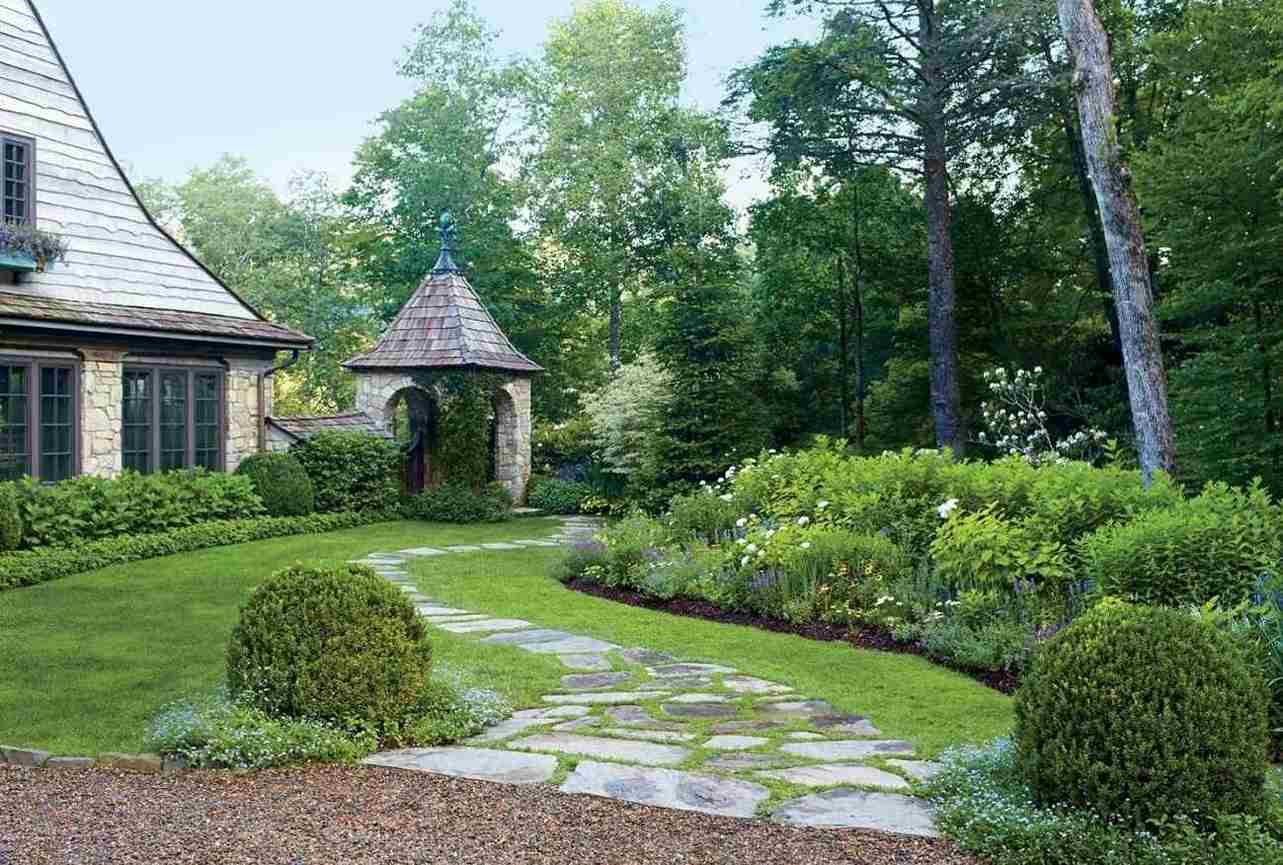
Gardens rarely become outdated overnight. Instead, they gradually lose their appeal as plants mature, materials, weather, and the way we use our outdoor spaces changes.
What once felt fresh and contemporary can eventually appear disconnected from modern lifestyles.
Seven signs tell it all! Here’s what a passé design looks like and how to give it a glow-up.
1. Your Planting Feels Overcrowded Instead of Intentional
One of the clearest signs of an ageing garden is planting that has outgrown its original design. Once carefully positioned, plants begin competing for light and space.
Instead of creating depth and texture, the garden starts to feel crowded and difficult to maintain.
Modern garden design favours thoughtful planting schemes that allow each plant to contribute to the overall landscape.
Native species, ornamental grasses and long-flowering perennials have become increasingly popular. That’s mainly because they provide year-round interest.
Plus, they support local wildlife and require less maintenance than traditional bedding displays.
Refreshing overcrowded borders doesn’t always mean removing everything. What you need is just selective pruning, dividing mature perennials, and replacing a few oversized plants with more suitable varieties.
That’s how you can restore balance and give the garden a lighter, more contemporary appearance.
2. Hard Landscaping Shows Its Age
Patios, pathways and retaining walls form the structure of any garden, so when these features begin to deteriorate, the entire space can feel dated.
Cracked paving, faded concrete and worn decorative features often draw attention for the wrong reasons, even when the planting is thriving.
Design trends have shifted considerably over the years. Heavily patterned paving and ornamental finishes were once popular. Today’s gardens tend to favour clean lines, natural materials and subtle textures that complement the surrounding landscape.
Natural stone, porcelain paving and permeable surfaces offer a timeless appearance while improving durability and drainage.
Replacing every hard landscaping feature isn’t always necessary. Updating a patio or introducing contemporary edging can modernise the overall design. It creates a stronger visual connection between different areas of the garden.
You don’t have to do all this on your own. Actually, with a professional contractor, you will get premium garden design at an affordable price.
3. Your Garden Lacks Purpose-Built Spaces
A garden without clearly defined areas can feel disorganised, no matter how attractive the planting may be. If every part of the garden serves the same purpose, the space often feels smaller and less inviting than it actually is.
Modern gardens are increasingly designed around the way people live. Separate zones for dining, entertaining, gardening, or relaxation allow the space to function more effectively. You will have a stronger sense of flow.
Even modest gardens benefit from thoughtful layouts that guide visitors naturally from one area to the next.
Simple design features such as gravel paths, raised beds, pergolas, or decorative screens can help establish these zones without making the garden feel enclosed.
Creating distinct spaces also makes the garden more adaptable throughout the seasons, allowing every corner to serve a practical purpose.
4. Your Garden Looks Beautiful but Feels Lifeless
A perfectly maintained garden can still feel surprisingly empty if it offers little for birds, bees and other wildlife.
Modern garden design has moved beyond purely decorative planting, with greater emphasis placed on creating healthy ecosystems that bring movement, colour and seasonal interest to outdoor spaces.
Introducing native flowers, flowering shrubs and pollinator-friendly plants encourages beneficial insects while supporting local biodiversity.
Layering trees, shrubs and ground cover creates habitats for birds and small wildlife, adding life and character that cannot be achieved through ornamental features alone.
A wildlife-friendly garden doesn’t have to look untidy. Thoughtful planting combinations can strike the perfect balance between a well-designed landscape and a thriving natural environment.
5. Your Colour Palette Feels Flat Throughout the Year
A garden should offer something to enjoy in every season, yet many older planting schemes rely on a single burst of colour before fading into the background for the rest of the year.
If your garden only comes to life for a few weeks each spring or summer, it may be time to rethink its planting palette. Contemporary garden design focuses on layering colours, textures, and foliage to create year-round interest.
And here’s a pro tip: rather than filling borders with dozens of unrelated colours, modern planting often uses a more restrained palette.
Spring bulbs can give way to vibrant summer perennials, followed by autumn grasses and late-flowering shrubs that maintain visual appeal well into the colder months.
Evergreen plants also play an important role by providing structure and colour when many flowering plants have finished for the season.
Another brilliant idea is repeating complementary shades throughout the garden. It creates a calmer, more cohesive appearance. Plus, standout plants become natural focal points instead of competing for attention.
6. Your Garden Disappears After Sunset
If your outdoor space is only enjoyable during daylight hours, you’re missing half of its potential.
Lighting has become an essential element of modern garden design, as it extends the use of outdoor spaces while adding atmosphere, depth and an extra layer of security.
Older gardens often rely on a single floodlight or have no lighting at all, leaving patios, pathways and planting beds hidden once the sun goes down.
A carefully planned lighting scheme transforms the evening experience by highlighting architectural features, illuminating walkways, and drawing attention to specimen trees or textured planting.
Energy-efficient LED and solar-powered lighting make it easier than ever to achieve impressive results without significantly increasing running costs.
In general, soft, layered lighting creates a welcoming ambience that feels far more welcoming than harsh overhead illumination. It allows you to enjoy your garden long after daylight fades.
7. Your Garden Feels Like a Full-Time Job
One of the biggest signs that a garden design no longer suits modern living is the amount of maintenance it demands.
Endless pruning, frequent watering, constant weeding and high-maintenance planting schemes can quickly turn a beautiful outdoor space into an ongoing list of weekend chores.
Today’s gardens are increasingly designed to work with nature rather than against it. Drought-tolerant plants, generous mulching, efficient irrigation systems, and carefully selected plants reduce maintenance without sacrificing visual appeal.
Simpler layouts also make routine tasks quicker and more manageable, leaving more time to actually enjoy the space.
A lower-maintenance garden doesn’t mean settling for something plain or uninspiring. In many cases, reducing unnecessary complexity creates a cleaner, more elegant design.
premium garden design
Conclusion
A successful garden isn’t defined by the latest trends or the most expensive features. The best gardens evolve over time, adapting to changing tastes, environmental conditions and the way people choose to spend time outside.
Start today. Modernise your garden with a design that’s both visually appealing and built to stand the test of time.