
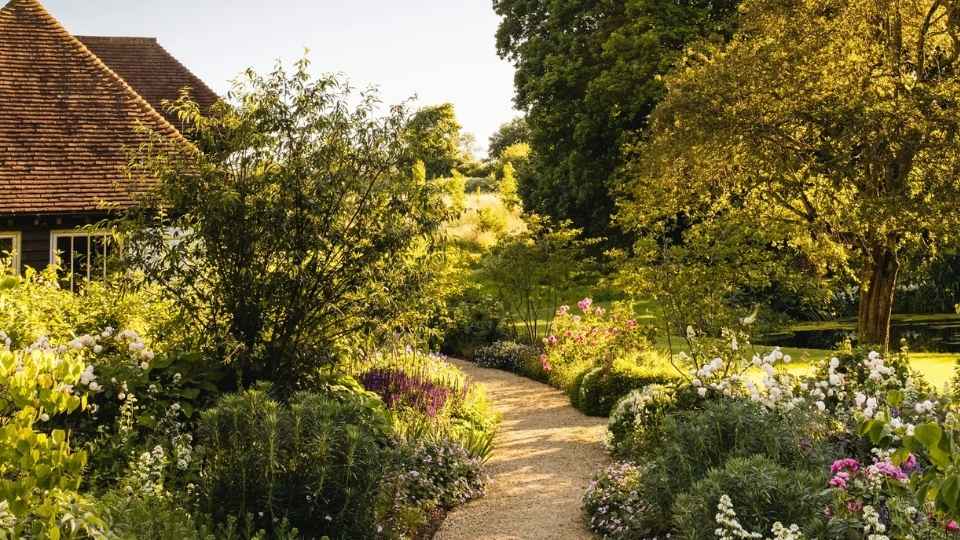
So you’re planning a garden and everyone keeps telling you direction matters. And you’re thinking… does it really though?
Yes, it does.
The way your garden faces isn’t some fancy gardening term people talk about. It’s called “garden aspect” and it’s about which direction your outdoor space faces relative to where the sun travels like the north, south, east, or west.
This one factor affects how much sunlight comes on your plants, how warm or cool the soil gets, whether your tomatoes ripen, and whether your garden thrives or only exists. It’s right up there with soil quality and your local climate as THE most important thing to figure out before you start.
But here’s the thing, there’s no perfect direction. But the right way to work with any direction you’ve got is what you should consider.
Why Does Direction Matter In Your Garden?
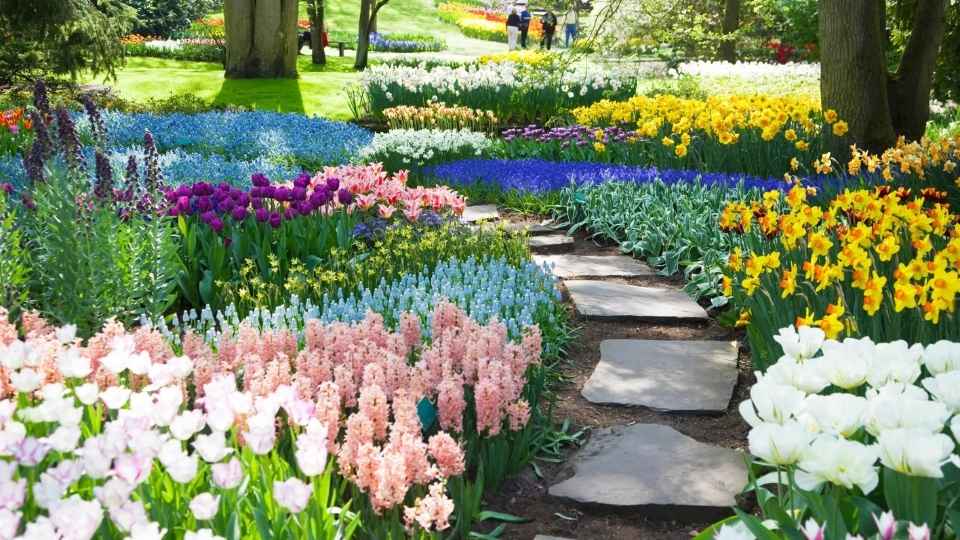
Your garden’s direction controls almost everything about what happens in that space.
Sunlight duration and intensity is the direction. Some spots get blasted with 8+ hours of direct sun while others come in shade most of the day.
Temperature patterns change too. A south-facing garden in summer can feel like you’re gardening on the surface of the sun. A north-facing one stays cool and damp.
Then there’s soil moisture. Gardens that face some directions dry out FAST while others hold moisture longer.
Wind exposure matters too but that’s getting into the weeds a bit.
The sun rises in the east, peaks in the south, and sets in the west. Your garden’s direction determines how much of that sun journey it catches.
If you miss this detail, you’ll be standing there wondering why your pepper plants look sad or why nothing’s flowering. uBut when you get it right and you’re setting yourself up for success.
Which Direction Should Your Garden Face? By Kdalandscapetion
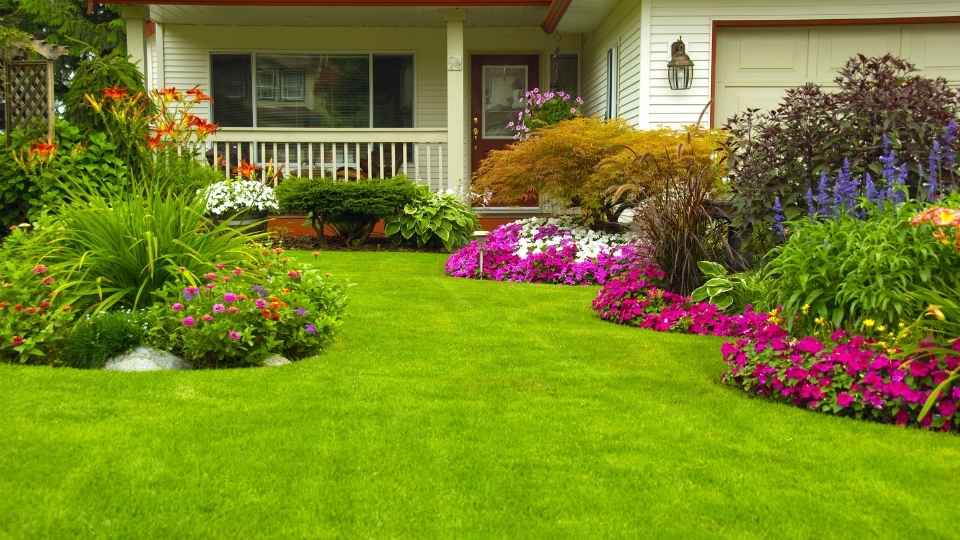
Let’s break down what each direction means for your garden. It is not the theory version but it is the real deal where you’ll see what the right direction is according to your garden.
South-Facing
This is the golden of garden directions.
A south-facing garden gets full sun pretty much all day long. We’re talking 6 to 8+ hours of direct sunlight. It’s the warmest spot you can have.
Why everyone loves it: Most plants THRIVE here. Vegetables like tomatoes and peppers, they’ll produce, and fruit plants do great and flowers bloom better. Your growing season gets extended because it stays warm longer into fall and warms up fast in spring.
But the downside is it can get TOO hot. And the soil dries out quickly. You’ll need to water more and probably add mulch to keep moisture in. Sensitive plants may actually get heat stress.
But if you’re serious about growing food or want maximum flexibility with plant choices, south-facing is the best to go with.
North-Facing
This is the complete opposite.
North-facing gardens get minimal direct sunlight. They’re the coolest and the dampest spots. If your garden faces north, you’re working with shade for most of the day.
The good news: Shade-loving plants exist and they’ll do fine here like Ferns, hostas, ivy… these prefer less sun. Your soil retains moisture longer so you’re not watering as much.
The reality is that your plant variety is limited. So, the growth becomes slower, and fruiting and flowering plants will disappoint you. The space can feel dark and colder than other parts of your yard.
North-facing isn’t BAD, it’s only specific. You have to work with it, not against it.
East-Facing
This is the Goldilocks direction for many gardeners.
East-facing gardens get morning sun and then shade in the afternoon. The temperature stays moderate because you’re avoiding the harsh afternoon heat.
It is perfect for: Delicate plants that would scorch in full sun. Leafy greens do well here.
You’re getting less sunlight than a south-facing garden, but there’s a plus point here. Morning sun dries up the dew on leaves faster which reduces fungal diseases.
If you want balance and aren’t trying to grow heat-loving crops, east-facing is pretty ideal.
West-Facing
West-facing gardens get afternoon and evening sun which means HEAT.
The sun in the afternoon is at its most intense. Your garden bakes in the hottest part of the day.
What works: Heat-tolerant plants handle this fine. And if you like sitting outside in the evening, a west-facing garden stays warm and pleasant later into the night.
The problem: The harsh sunlight can scorch leaves and stress out many plants. You’ll need to think about shade strategies like screens or strategically placed trees.
West-facing needs more management but it’s workable if you plan for the heat.
How Is Climate Consideration Important for Your Garden?
Direction doesn’t work alone. Your climate changes everything.
If you’re gardening in Arizona, a south-facing garden can be too intense and an east-facing one makes more sense. If you’re in Seattle where it’s cloudy and cool, you WANT the south-facing warmth.
Sun angle changes with the seasons too. Winter sun is lower in the sky so shadows are longer. Summer sun is high and more direct. South-facing gardens benefit the most in winter because they catch decent light when the sun is low.
Pay attention to your local weather patterns and how they interact with your garden’s direction. A south-facing garden in a hot climate needs different management than the same direction in a cool region.
How To Plan Your Garden According To Your Needs?
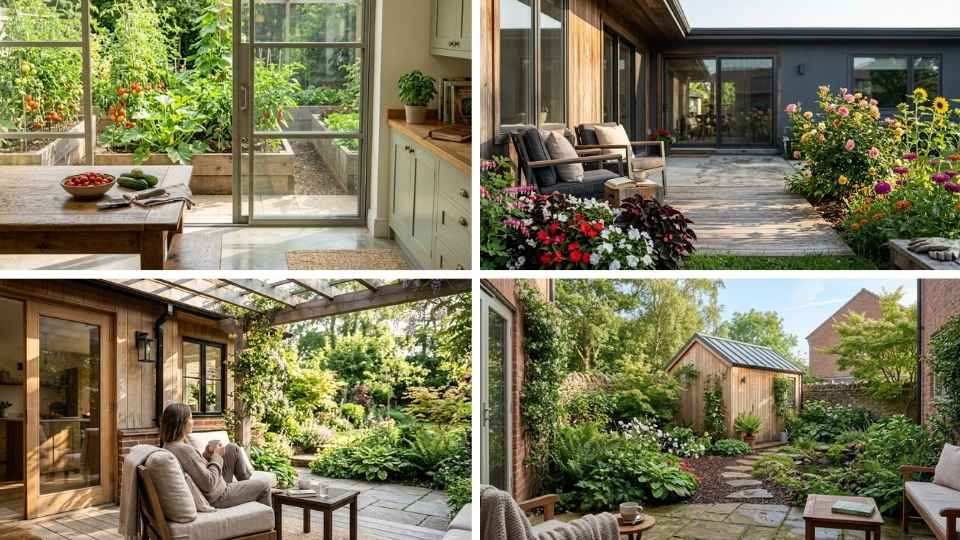
Direction matters but what you’re trying to grow matters MORE.
For Vegetables
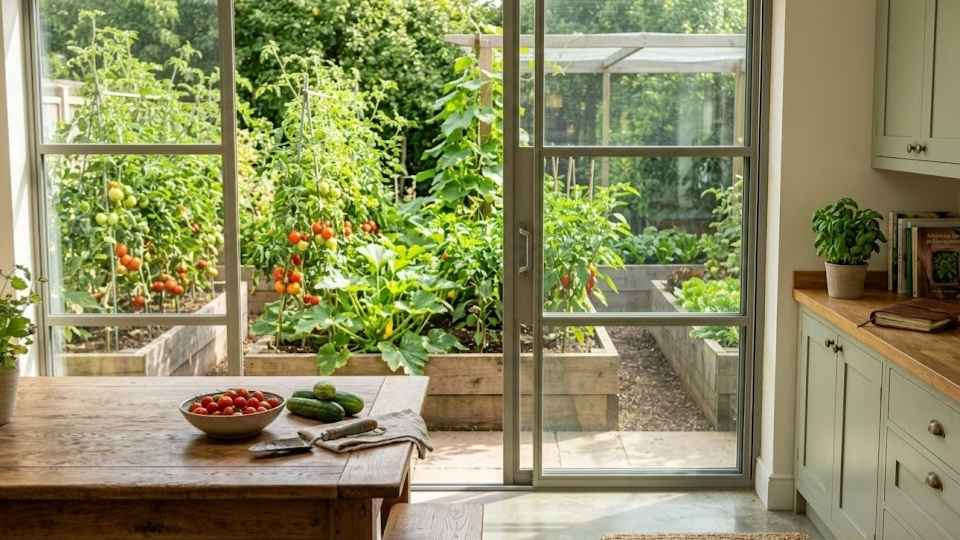
Most vegetables are sun hogs because they want 6-8 hours minimum.
South-facing is the best here. Tomatoes, peppers, squash, cucumbers…. they all love heat and light. You’ll get better yields and everything ripens properly.
If you’re stuck with east or west-facing, focus on crops that handle partial sun. Lettuce, spinach, and other leafy greens do fine with less light.
North-facing vegetable gardens are tough. It is not impossible but you’ll be limited to shade-tolerant greens and herbs.
For Flowers
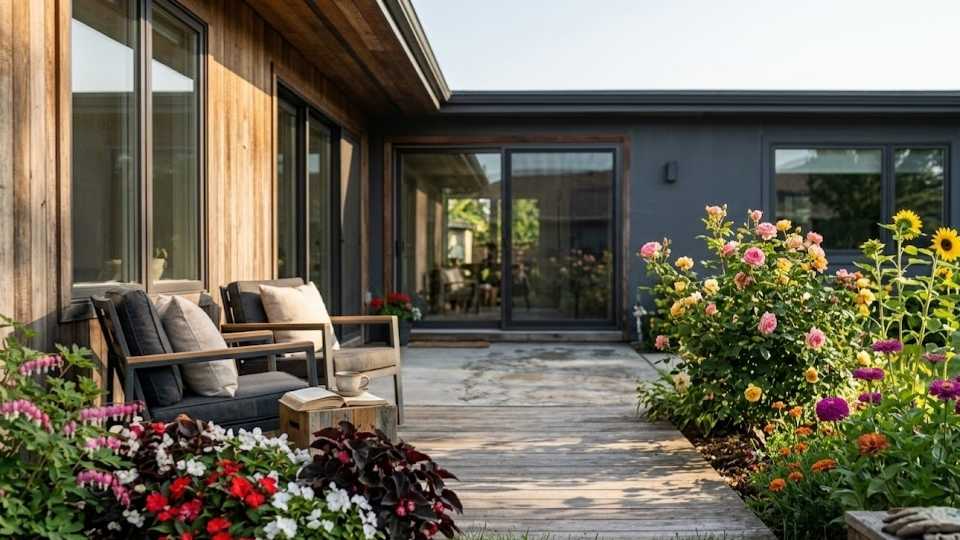
Flowering plants vary a LOT.
Sun-loving flowers think roses, sunflowers, zinnias need south or west-facing spots. They’ll bloom longer with full sun.
Shade flowers like impatiens, begonias, bleeding hearts prefer north or east-facing areas. But with too much sun they’ll wilt or burn.
Match the flower type to your direction and you’re ready to go with it.
For Relaxation
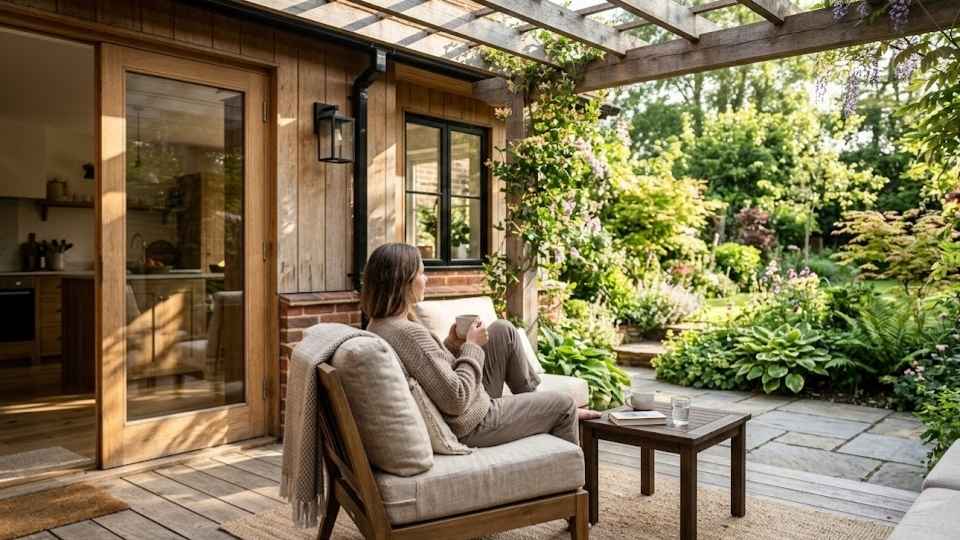
If you’re building a garden space just to chill in, think about when you’ll use it.
Morning person? East-facing gives you gentle sun with your coffee.
Evening person? West-facing stays warm and pleasant after work.
Want all-day outdoor time? South-facing gives you options but you need shade structures for midday.
North-facing stays coolest if you overheat easily or live hot.
For Low-Maintenance
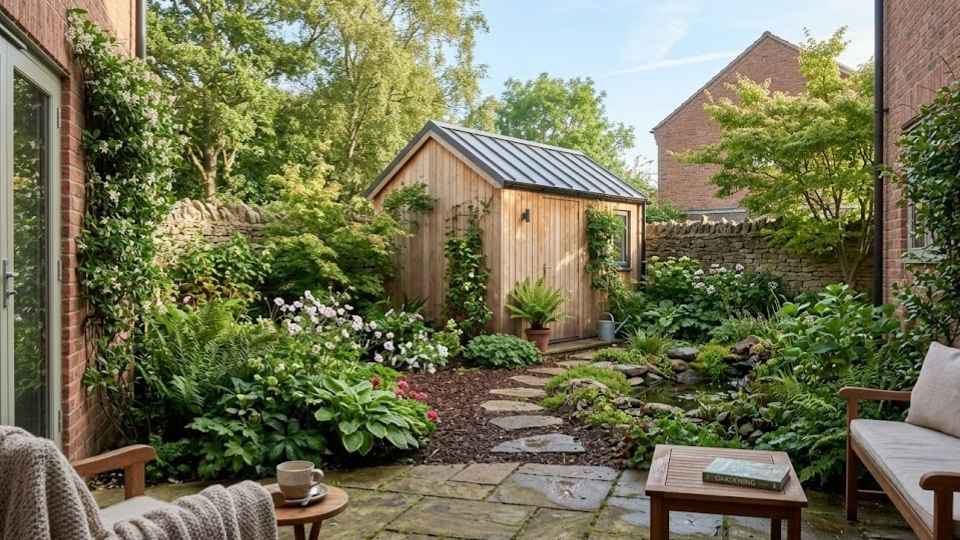
Less work is a valid goal.
North and east-facing gardens need less watering since they retain moisture better.
South and west-facing gardens dry out faster so you’re watering more. But they also have few moisture-related disease problems.
Pick hardy plants suited to your direction and you’ll cut down maintenance regardless of which way you’re facing.
Common Mistakes To Avoid
Here’s where people confuse when thinking about garden direction:
- Ignoring your specific conditions – Don’t copy what works for someone else. Observe YOUR garden throughout the day before planting anything.
- Fighting your direction – Trying to grow full-sun plants in a north-facing garden is just setting yourself up for frustration.
- Forgetting about microclimates – Buildings, fences, and trees create shade pockets even in south-facing gardens. Walk around and track where the sun hits.
- Not considering structures – The big tree or your neighbor’s fence might be blocking the sun you thought you’d have.
- Assuming direction is everything – Soil quality, drainage, and water access matter just as much. Direction is one piece of the puzzle.
- Skipping the observation period – Spend a few weeks watching how light moves through your space before committing to a plan.
- Overlooking seasonal changes – Your garden in June looks different than your garden in March. Sun angles shift.
Conclusion
So which direction should your garden face kdalandscapetion?
According to me, whichever direction it faces because unless you’re moving or building new, you’re working with what you’ve got.
South-facing gardens are the most flexible and work for the widest variety of plants. And that is the reason why everyone calls them ideal. But every direction can be successful if you match your plants to the conditions and manage accordingly.
The real answer isn’t about finding a perfect direction. It’s about understanding YOUR direction and making smart choices based on that.
Observe your space, track the light, notice the temperature and then pick plants that’ll thrive there instead of struggling. Because garden direction matters but it’s not a limitation, if you work smartly then you’ll get the best.