
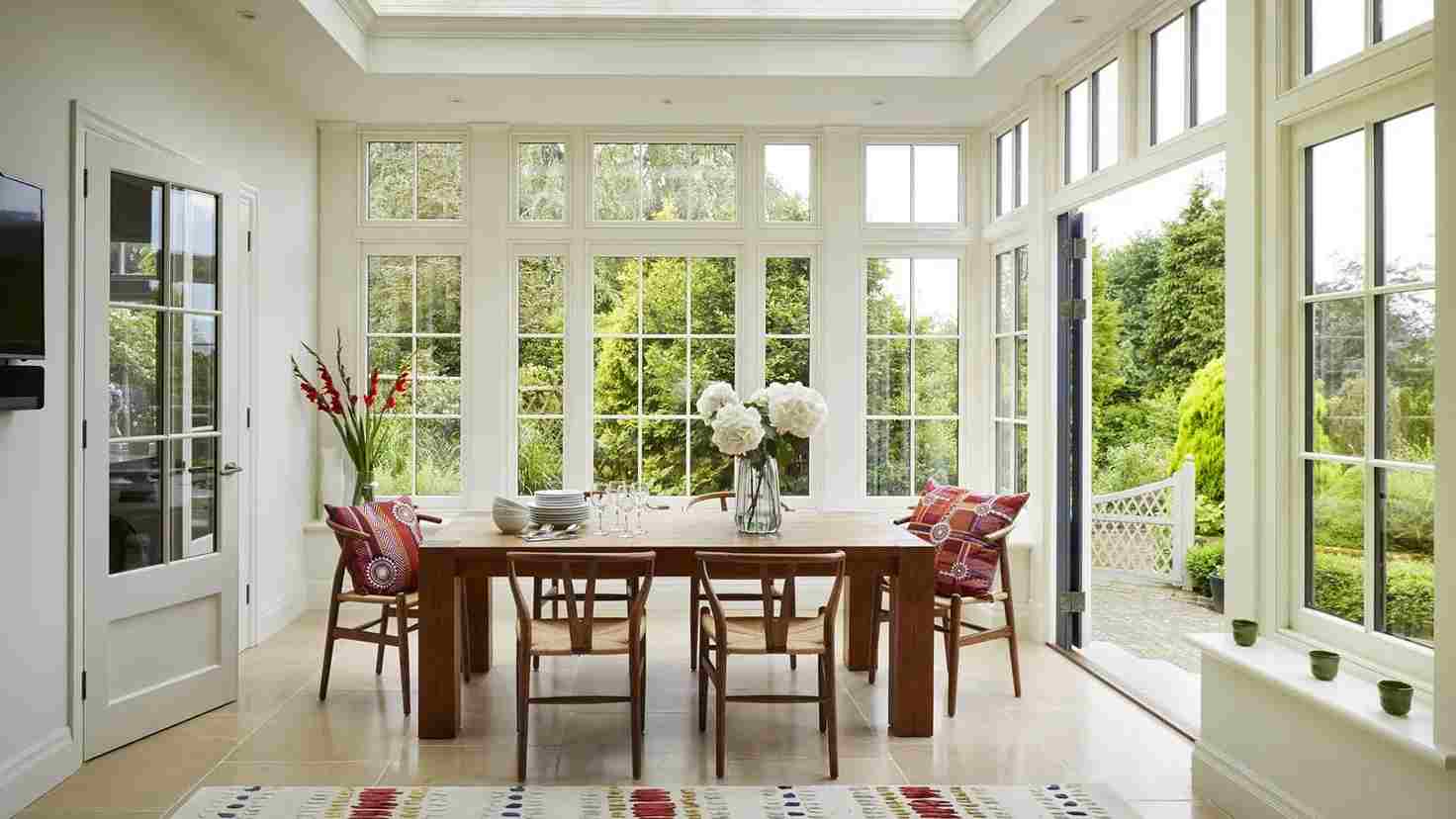
I remember the first apartment I moved into after college.
Dark. Really dark. The landlord had called it “cozy,” which I later learned was code for “you’ll need lamps everywhere.”
I lived there for eight months, and looking back, I can’t recall feeling truly awake in that space. Not once.
Then I moved.
The new place had these enormous south-facing windows, and on my first morning there, I woke up to sunlight streaming across the floor.
My mood shifted. The entire quality of my day felt different. And that’s when I started paying attention to something we rarely think about consciously: the light around us.
Natural light isn’t just about visibility or saving on electricity bills.
It’s about how a space makes you feel when you walk into it.
How it makes you want to stay.
How it changes everything from the color of your couch to whether you actually enjoy cooking breakfast.
What follows isn’t a technical manual.
It’s more like… observations. Things I’ve noticed across years of writing about homes, visiting spaces, talking to people about why they love where they live or desperately want to leave.
10 Ways How Natural Light Can Completely Change Your Living Space
Makes Small Spaces Feel Larger
This one surprised me initially because it seems almost too simple.
Light expands perception. A small room flooded with daylight reads differently to your brain than that same room with artificial lighting.
I’ve walked into 400-square-foot studios that felt spacious and 800-square-foot apartments that felt cramped, and the difference almost always came down to windows.
The science behind this has to do with how our eyes process depth and dimension.
Natural light creates subtle shadows and highlights that give us spatial information. Artificial light flattens things out.
But here’s what really matters: you can have a tiny bedroom, and if morning light fills it, you won’t feel trapped.
You’ll feel like you have room to breathe. I’ve seen this repeatedly in city apartments where space costs a fortune per square foot.
The ones with good light always photograph better, show better, and honestly, live better.
Mirrors help here too. Position them across from windows, and suddenly light bounces around, creating this sense of depth that wasn’t there before.
It’s not magic. But it feels close.
Improves Mood and Mental Well-Being
There’s this thing called Seasonal Affective Disorder that people in northern climates know all too well. When daylight hours shrink, mood follows.
But even without clinical diagnosis, most of us feel it. Dim spaces make us sluggish. Bright spaces wake us up.
I talked to a psychologist once who specialized in environmental factors affecting mental health, and she said something that stuck with me: “We evolved outdoors. Our bodies still expect that.” Our circadian rhythms—the internal clocks that tell us when to sleep, when to wake, when to eat—they’re regulated by light exposure.
When you live in a space with good natural light, you’re essentially keeping your biology in sync with the day.
You sleep better at night because your body produced melatonin at the right time. You feel more alert during the day because cortisol levels rose when they should have.
I used to think this was overstated until I spent a winter working from a basement office.
Three months in, I felt off. Couldn’t pinpoint why. Moved my desk near a window, and within a week, things shifted back.
Your home should support your well-being, not work against it.
Enhances Interior Colors and Décor
This might be the most underestimated aspect of natural light.
Paint colors lie under artificial lighting. That warm beige you picked out at the store? Under fluorescent lights in your windowless dining room, it might read as muddy yellow. But put that same color in a room with western afternoon light, and suddenly it glows.
I’ve watched homeowners repaint rooms multiple times trying to “fix” a color, when the actual problem was light source.
Natural light has a full spectrum that reveals true colors.
Incandescent bulbs skew warm. LEDs can skew cool. Daylight shows you what things actually look like.
And this changes how you approach décor entirely.
Art looks better. Textiles show their true texture.
That expensive rug you invested in? You’ll actually see the details you paid for.
I visited a home last year where the owner had installed skylights in their hallway—not a space you’d typically prioritize—and it transformed their entire art collection.
Pieces that had looked flat suddenly had dimension.
Light isn’t just illumination. It’s revelation.
Reduces Energy Consumption
The practical angle here is obvious but worth stating.
More daylight means fewer hours with lights on. That’s direct savings on your electricity bill, and depending on where you live and how much you’re currently spending on lighting, it can add up to a couple hundred dollars annually.
But there’s a secondary benefit people don’t always consider: heat.
In colder months, sunlight streaming through windows provides passive solar heating.
I’ve been in homes where the south-facing living room stays comfortable all winter afternoon without the furnace running. The owners just let the sun do its work.
Of course, in summer this flips.
Too much direct sun can overheat a space. That’s where strategic window treatments come in—sheer curtains that diffuse light without blocking it, or exterior shading that stops heat before it enters.
For homeowners planning to move, options like a buy-before-you-sell strategy may help reduce timing pressure.
Sellers comparing traditional listing strategies with searches like ‘we buy houses grand rapids’ should also consider how natural light improvements can make a home more appealing before choosing the best path forward.
The point is: light affects your energy costs both ways, and being intentional about it pays off.
Creates a Healthier Indoor Environment
Here’s something I didn’t know until recently: natural light has antimicrobial properties.
UV rays from sunlight can kill bacteria, mold spores, and certain viruses.
This isn’t a substitute for cleaning, obviously. But homes with good natural light tend to have fewer issues with mold and mildew, especially in bathrooms and kitchens.
I’ve toured older homes with poor ventilation and little natural light, and you can smell the difference. There’s a mustiness that just sits there.
Then there’s air quality. Sunlight warms air, creates convection currents, encourages natural ventilation when you open windows.
Stagnant air in dark rooms just… sits. Fresh air in bright rooms moves.
And plants. If you want living greenery in your home—actual air-purifying, oxygen-producing plants—they need light.
Not every plant needs direct sun, but they all need something.
A bright room gives you options. A dark room gives you plastic ferns.
I’m not saying natural light solves all health issues in a home. But it creates conditions where healthier living happens more easily.
Adds Warmth and Comfort to Living Areas
Warmth isn’t just temperature. It’s feeling.
A room can be 72 degrees and still feel cold if the lighting is harsh and clinical.
A room can be 68 degrees and feel inviting if late afternoon sun is pouring through gauze curtains.
I think about this especially with living rooms and family spaces—places where people gather. Natural light makes these areas feel welcoming in a way that overhead fixtures just don’t.
There’s something human about sunlight. We’re drawn to it.
Watch where people sit at a coffee shop or a library. They gravitate toward windows.
The same thing happens at home.
I’ve noticed in open-concept designs that even when there’s a big sectional sofa in the center of the room, people will pull a chair over near the window to read. We want to be near that light.
And it changes throughout the day. Morning light feels different from afternoon light.
Evening light has its own quality. Your space shifts with it, stays dynamic, feels alive.
Artificial light is static. Natural light breathes.
Increases Property Appeal and Value
Let’s talk about resale, because this matters.
When real estate agents photograph homes for listings, they schedule shoots during the day with all curtains open.
They know what buyers respond to. Bright, light-filled rooms get more interest, more showings, and statistically, higher offers.
I’ve reviewed enough listing data to see the pattern.
Homes described as “sun-filled” or “flooded with light” spend less time on market and often sell above asking in competitive areas.
Buyers can overlook a lot. Outdated fixtures? Those can be replaced. Old countertops? Renovation. But a dark house with small windows? That’s structural. That’s expensive to fix.
On the flip side, good natural light can make buyers more forgiving of other shortcomings.
The bedroom might be small, but if it’s bright, it works.
Appraisers don’t have a line item for “nice light,” but it shows up indirectly in comparable sales. Homes with better light sell for more. That value is real.
Strengthens the Connection With Nature
This one gets into territory that’s harder to quantify but no less important.
We’re inside most of the time now. Work, home, car, store, back home. Our relationship with the outdoor world has become… abstract.
But natural light creates a bridge.
When sunlight fills your kitchen, you’re connected to the same sun that’s hitting the trees outside. When the quality of light changes because clouds rolled in, you notice weather.
You’re aware of the day in a way that fluorescent-lit offices don’t allow.
I’ve talked to people who put desks by windows specifically because they want to see the sky while working.
Not for the view necessarily—sometimes it’s just a neighboring building—but for that sense of participation in the day.
Biophilic design, they call it now. This idea that humans need connection to natural elements for psychological well-being. Light is a huge part of that.
Even if you live in a city with limited outdoor access, good natural light in your home keeps you tethered to natural rhythms.
Sunrise, sunset, seasons changing, weather patterns. You’re less isolated from the living world.
Improves Functionality of Everyday Spaces
Kitchens with good natural light are easier to cook in.
You see what you’re chopping. Colors look accurate when you’re checking if meat is cooked through.
Bathrooms with windows make morning routines better.
You apply makeup in actual daylight, see what your skin really looks like, notice things you’d miss under yellow bulbs.
Home offices near windows reduce eye strain.
The contrast between a bright screen and dark surroundings causes fatigue. Natural ambient light balances that out.
Even laundry rooms—if you’ve ever tried to match black socks in a dim basement, you know what I mean.
These are small things. Daily things. But they accumulate.
A functional space is one where tasks feel easier, where you’re not fighting the environment.
I worked from a dark apartment during early pandemic months, and I remember thinking my eyes were going bad.
Couldn’t focus on the screen. Headaches. Moved my laptop to a spot near the window, and all those symptoms vanished.
The right light makes spaces work the way they’re supposed to.
Encourages Better Interior Design Choices
When you have good natural light, you make different decisions.
You’re more willing to use bold colors because you know they’ll read properly.
You invest in textured fabrics because light will show off that texture.
You think about how things will look at different times of day instead of just under static evening lighting.
I’ve noticed that people with dark homes tend toward safe, neutral palettes.
Afraid to commit. But people with light-filled homes experiment more. They trust that the space will carry whatever they add to it.
Good light also makes you more aware of clutter.
Things you might not notice in dim corners become obvious in bright rooms.
So natural light encourages tidiness, intentionality.
And it changes how you think about window treatments. You’re not trying to block light—you’re managing it, filtering it, directing it.
The entire design process becomes about working with light instead of compensating for its absence.
Conclusion
I started noticing light when I moved from that dark apartment into a bright one. But the shift wasn’t immediate.
It took weeks before I realized I was sleeping better, felt more energetic, actually enjoyed being home.
Light works on you gradually.
You don’t think about it until it’s wrong, and then you can’t think about anything else. But when it’s right? When morning sun wakes you gently and afternoon light makes your living room feel like a place you want to spend time and evening glow makes dinner feel special? You just live. Better.
Not every home has perfect light.
Some face north, some have neighboring buildings, some were built in eras when windows were expensive. But most spaces have more potential than we realize.
A skylight here, a glass door there, lighter curtains, strategic mirrors—small changes compound.
Your home should feel like it’s part of the day, not separate from it. That’s what natural light does. It connects you to time, to weather, to the world outside your walls.
It makes your space feel less like a container and more like a living environment.
Try something. Tomorrow morning, open all your curtains as soon as you wake up.
See how the space feels different. Notice where light goes, where it doesn’t. Think about whether you could change that.
You might be surprised what’s already there, just waiting to be let in.