
After years of living in Hall County, I’ve learned that the biggest reductions in energy bills rarely come from expensive upgrades.
The homeowners who save the most are usually the ones who build simple, consistent habits.
Before spending money on new windows, appliances, or insulation, I recommend improving your everyday energy habits first.
In Gainesville’s hot, humid climate, small daily routines often have a noticeable impact on comfort and monthly utility costs.
Key Takeaways
- Keep thermostat settings consistent.
- Seal small air leaks before considering major projects.
- Maintain appliances to improve efficiency.
- Replace HVAC filters regularly.
- Use ceiling fans, blinds, and water heater settings wisely.
- Preventive maintenance saves money and extends equipment life.
Start with Everyday Habits
Changing a few daily habits costs nothing, and I’ve found they’re often the fastest way to lower energy use.
Once those habits become routine, it’s much easier to determine whether larger home improvements are actually worth the investment.
If you’re ready to go beyond everyday habits, energy-efficient home upgrades that pay for themselves can help you decide which improvements offer the best long-term value.
Use Your Thermostat Consistently
I’ve found that a steady thermostat setting works better than constantly making adjustments.
During summer, I keep it around 78°F, lowering or raising it only when everyone is away.
Consistency helps heating and cooling systems operate more efficiently and usually has a greater effect on energy bills than constantly overriding a smart thermostat.
Seal Air Leaks
Before replacing windows, inspect weatherstripping, door sweeps, attic hatches, dryer vent flaps, and window seals.
Small leaks are common in older Gainesville homes and allow conditioned air to escape.
Inexpensive repairs can noticeably improve comfort during humid summers.
Improve Appliance Efficiency
Run dishwashers and washing machines only with full loads.
Clean refrigerator door seals, vacuum condenser coils twice a year, unplug unused electronics, and use off-peak hours when your utility offers time-of-use pricing.
These simple habits reduce unnecessary energy consumption while helping appliances last longer.
These simple habits reduce unnecessary energy consumption while helping appliances last longer.
If your refrigerator continues to run longer than normal, struggles to maintain temperature, or causes a noticeable increase in your electricity bill despite regular maintenance, it may be time to consider refrigerator repair in Gainesville, GA before a minor issue turns into a costly breakdown.
Keeping appliances clean and well maintained can improve efficiency and extend their lifespan.
If an appliance still isn’t performing properly after routine maintenance, it may be time to have it inspected by a qualified repair professional, such as Appliance EMT.
Maintain Your HVAC System
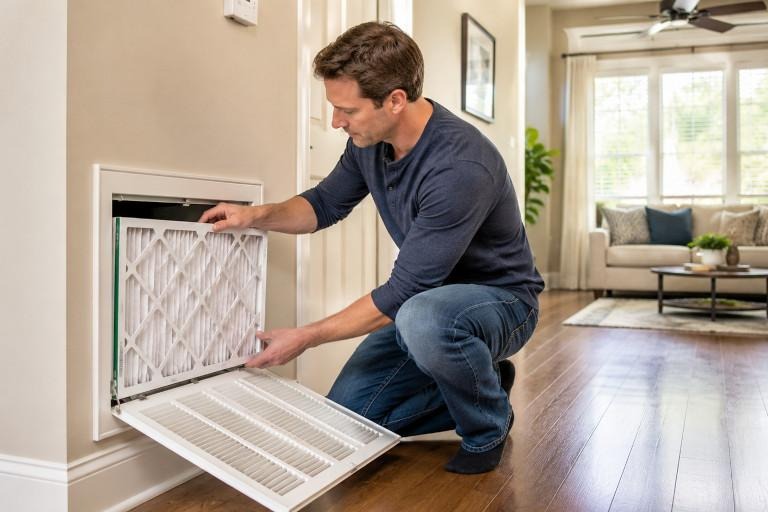
Replace HVAC filters every one to three months, especially during the heavy cooling season.
Clean filters improve airflow, reduce system strain, and help maintain consistent indoor temperatures.
Manage Heat Gain
Close blinds or curtains during the hottest part of the afternoon to reduce solar heat gain.
Ceiling fans improve comfort by moving air, but remember to switch them off when rooms are empty because they cool people, not the room.
Check Your Water Heater
Lowering the water heater temperature to about 120°F can reduce standby heat loss while still providing sufficient hot water for most households.
It’s one of the easiest ways to cut energy use without affecting daily comfort.
Why Gainesville Matters
Gainesville’s humidity makes HVAC systems and refrigerators work harder than they would in drier climates.
Many homes around Hall County were built before today’s energy-efficiency standards, so even inexpensive improvements like weatherstripping and attic air sealing can make a noticeable difference.
Local weather conditions make routine maintenance even more valuable throughout the year.
What Most Homeowners Overlook
I’ve found that homeowners often notice higher utility bills long before they notice a mechanical problem.
A refrigerator running longer than usual, an HVAC system cycling more frequently, or a water heater taking longer to recover can all signal maintenance issues before they become expensive repairs.
Addressing these early can improve efficiency, extend the life of your equipment, and help avoid larger repair bills.
Simple Habits, Lasting Savings
Lower utility bills don’t require expensive renovations.
By maintaining your HVAC system, sealing air leaks, using appliances efficiently, and developing consistent daily habits, you can improve comfort and reduce energy costs throughout the year.
In my experience, homeowners who build these habits first are better prepared to decide whether larger energy-efficiency upgrades are actually worth the investment.
Start with one or two changes, monitor your next utility bill, and build from there before investing in major projects.
Frequently Asked Questions
Consistent thermostat settings generally provide the biggest day-to-day savings because they reduce unnecessary HVAC cycling.
Yes. High humidity makes cooling systems work harder, increasing electricity consumption during Gainesville’s warmer months.
If your refrigerator is under 10 years old and the issue is minor, repairing it is often the more economical choice.
Usually only once unless your household’s hot water needs change. A setting of about 120°F works well for most homes.
Yes, but only if you consistently follow the programmed schedule. A smart thermostat delivers the best savings when paired with good daily habits.