
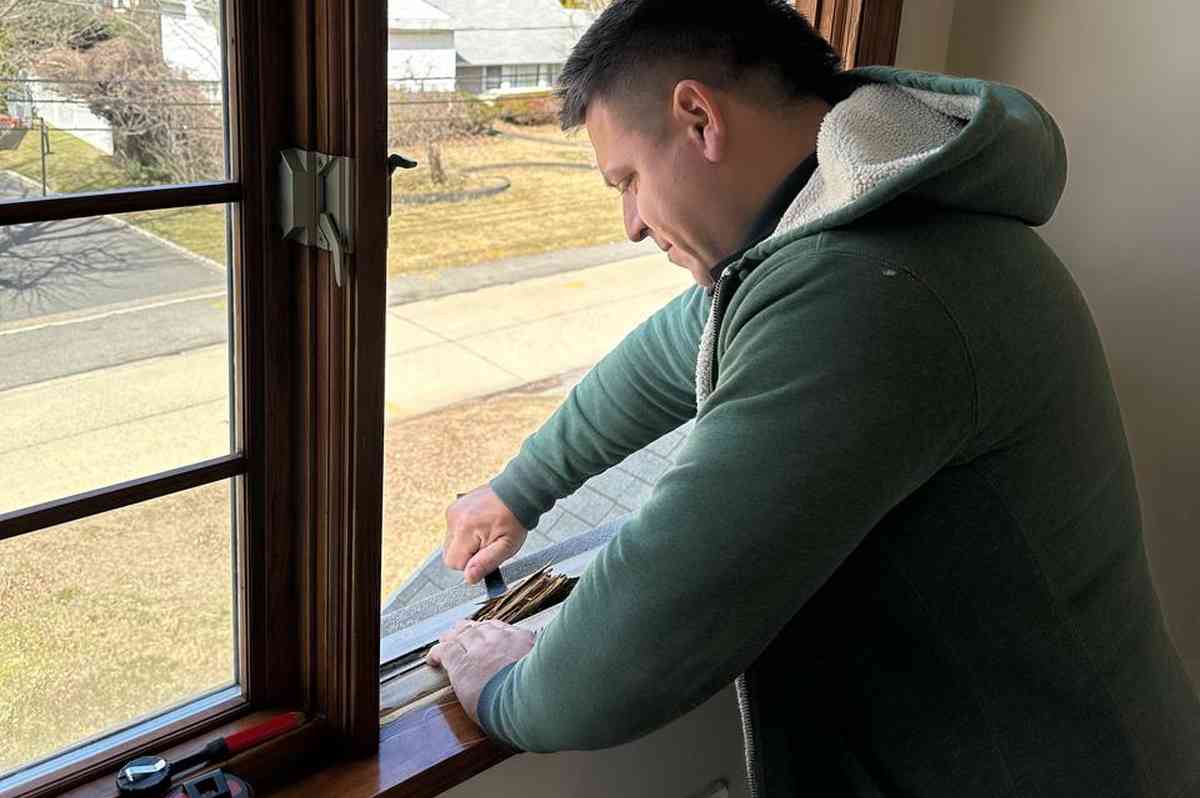
Has a storm just torn through your neighborhood?
Wood windows are gorgeous, but they suffer greatly from wind, rain and flying debris.
Fortunately, most storm damage can be repaired with early detection and these tips.
Wood windows sustain storm damage far more often than you may realize. Industry statistics show that wind and hail were responsible for 40.7% of all property damage claims in 20 22.
Imagine how many frustrated homeowners had cracked frames, swollen sashes, busted seals.
Here’s the thing…
Neglecting storm damage can lead to replacement faster than you think.
Learn how to properly repair wood windows from storm damage with this step by step guide.
It will also show you when to call in the professionals for wood window repair services.
Let’s jump in!
Why Wood Windows Are So Vulnerable To Storms
Wood windows are beautiful. They’re also extremely susceptible to weather damage.
Harsh winds, torrential downpours, and projectiles can cause unseen damage for weeks.
According to industry stats, 1 in 35 homes submitted a wind or hail damage claim from 2018 to 2022. Windows are one of the leading areas of damage.
If you live in a region with frequent storms, you’ll want quality Wood Window Repair in Long Island, NY on speed dial.
A professional wood window repair company knows what to look for and can identify underlying damage the average homeowner won’t notice.
Here’s the problem with wood windows specifically:
- Wood absorbs water, which leads to swelling and rot
- Old paint and seals crack under temperature changes
- High winds can warp frames and shift the alignment
- Debris can chip or split the wood without breaking the glass
Wow… thats a lot of vulnerabilities though.. Fixable as long as you manage it properly.
The Step-By-Step Wood Window Maintenance Process
Now for the fun stuff. Follow these steps to the letter after any major storm. Do them in order and don’t skip steps.
Step 1: Safety First & Damage Inspection
Wait for the storm to pass completely before attempting to do anything.
Look for hazards such as downed power lines, glass on the ground and loose tree branches.
Once it’s safe, grab your phone and start taking photos. Lots of them.
Take photos of anything inside or visible outside of your windows.
You’ll want to document as much as possible because your insurance company will ask.
Look for these signs of damage:
- Cracks, chips, or holes in the wood frame
- Glass cracks (even tiny ones)
- Peeling paint or exposed bare wood
- Water stains on the sill or wall
- Foggy glass between double panes
- Windows that stick or won’t close right
Step 2: Stop The Water Damage
This step is critical. Water is the number one enemy of wood windows.
Tarp broken windows where any glass is broken or seals are leaking.
Mask with heavy duty plastic sheeting and tape or plywood for extensively damaged windows.
Why rush? Wet wood swells quickly. Wet wood also rots quickly.
Every hour that water is entering your home increases the size of the repair needed.
Step 3: Dry & Clean The Wood
Once everything is sealed off, it’s time to dry the wood out. This means:
- Wiping down all wet surfaces with clean towels
- Running a dehumidifier in the room for 2-3 days
- Opening windows on dry days to get air flowing
- Removing any debris stuck in the frames
Take your time with this step. You can’t patch wet wood. It won’t stick.
Once your wood is completely dry, take some time to clean it off.
Use a soft brush with mild soap. Focus on corners and where the frame meets the wall.
Step 4: Fix The Small Stuff
Some damage you can handle yourself. Here’s what’s usually safe for a DIY fix:
- Small cracks in the wood: Fill with exterior wood filler, sand smooth
- Peeling paint: Scrape, sand, prime, and repaint
- Loose caulk: Remove old caulk and apply fresh exterior-grade caulk
- Minor glass chips: Use a clear epoxy repair kit
Take your time. Sloppy work now means redoing it later (which costs way more).
Step 5: Reseal Everything
Once repairs are completed seal the windows again to prevent future storms from entering.
Apply an exterior wood sealant to all exposed wood surfaces. Use a high-grade sealant.
Don’t forget the spots that are easy to miss:
- Where the sash meets the frame
- The bottom edge of the sill
- Around the glazing (where glass meets wood)
- The exterior trim joints
A good seal is what stands between your windows and the next storm.
When To Call A Pro For Wood Window Repair Services
DIY Fixes Have Limits Many homeowners spend about $12,331 repairing storm damage, according to Angi’s 2026 cost data.
Wind and storm damage yourself can drastically increase that cost if you attempt major repairs yourself.
Call a professional if you see:
- Deep rot in the wood frame
- Broken or cracked glass
- Frames that are warped or out of square
- Failed seals between double panes
- Water damage that’s spread to the wall
By hiring professionals to do wood window repair services they have the equipment and know-how to do the job correctly.
They can also detect unseen damage that you may have overlooked which can save you thousands of dollars in the future.
Here’s the kicker. If you use a reputable repair company they will handle your insurance documentation and work with you to make the claims process much easier.
Long-Term Care Tips To Prevent Future Storm Damage
After investing in your windows you’ll want to maintain them. Follow these easy tips to preserve your windows:
- Inspect twice a year: Once in spring, once in fall
- Repaint every 3-5 years: Fresh paint protects the wood
- Clean tracks and sills: Removes debris that holds moisture
- Trim nearby trees: Less debris means less storm damage
- Replace worn weather stripping: Keeps water and wind out
One advantage of wood windows is they can last over 50 years with proper maintenance. Vinyl and aluminum windows don’t even come close.
Bringing It All Together
Wind damage to wooden windows can be daunting.
Follow these step-by-step instructions and you can repair your windows instead of replacing them.
To quickly recap:
- Inspect and document all damage first
- Stop water damage with quick temporary fixes
- Dry and clean the wood completely
- Handle small repairs yourself
- Reseal everything to prevent future damage
- Call in pro wood window repair services for bigger problems
The best time to address storm damage is sooner rather than later.
The longer you wait, the more costly repairs can be.
Address damage quickly and your wood windows can continue to perform for years to agreeable.