
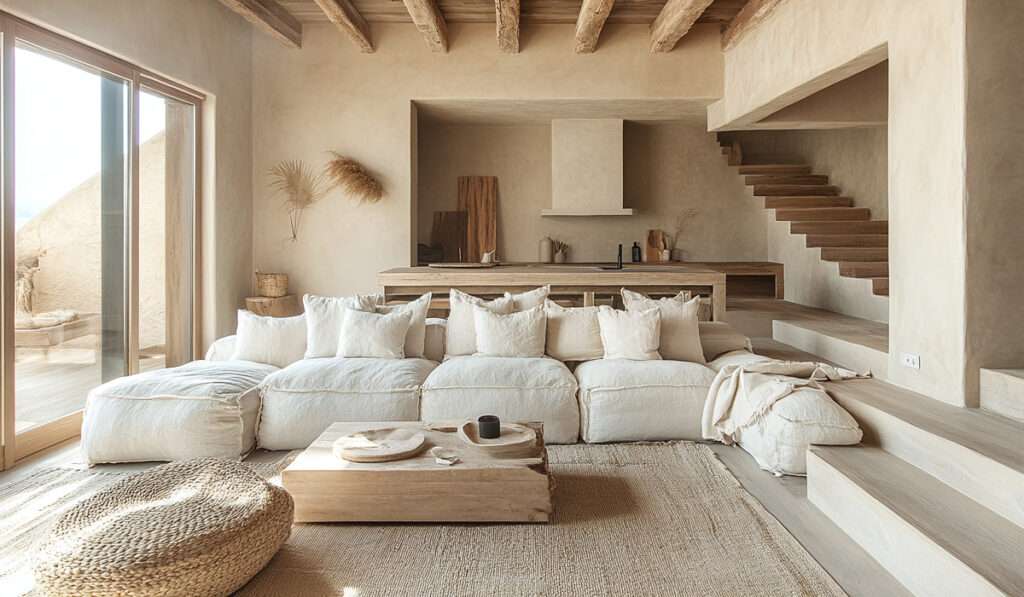
A well-designed home should do more than look good in photographs.
It should support everyday life, adapt to changing needs, and remain comfortable long after the latest trends fade.
Yet many homeowners find themselves caught between two goals that seem to compete with each other: creating a beautiful space and maintaining a practical one.
The good news is that great design doesn’t require compromise.
The most successful interiors combine visual appeal with functionality, creating spaces that feel welcoming, efficient, and uniquely personal.
When you’re furnishing a new home or refreshing an existing one, thoughtful design choices can help you achieve both.
Start With How the Space Will Be Used
Before you choose colours, furniture, or decorative accents, take time to think about how the room will serve its occupants.
A family living room has different requirements than a formal sitting area.
A home office must support productivity, while a bedroom should encourage relaxation.
Interior designers often begin projects by analysing movement patterns within a room.
Understanding how people enter, exit, and move through a space helps determine the most practical furniture arrangement.
Questions worth asking include:
- Who uses this room most often?
- What activities happen here daily?
- What frustrations currently exist?
- What storage needs are not being met?
Choose Durable Materials That Age Well
Investing in durable materials often proves more cost-effective than replacing worn furnishings every few years.
It also supports sustainability by reducing unnecessary consumption and helping products stay in use for longer.
High-performance fabrics, engineered stone surfaces, solid wood furniture, quality flooring materials, and washable rugs can all withstand daily wear while maintaining their appearance.
Washable rugs are particularly practical for busy households with children, pets, or frequent visitors.
Life is simply too short to schedule professional rug cleaning every time there’s a spill, muddy footprint, or accident.
Fortunately, choosing a practical rug no longer means settling for uninspiring designs.
Modern washable rugs are available in a wide range of colours, patterns, and textures that rival traditional options.
Brands such as double have helped make it easier for homeowners to enjoy stylish, design-led rugs that can be cleaned at home, offering convenience without compromising on aesthetics.
According to the U.S. Environmental Protection Agency (EPA), extending the life of household products helps reduce waste and environmental impact.
Choosing durable, easy-to-maintain materials therefore benefits both homeowners and the planet.
Timeless materials also adapt more easily to changing trends.
A well-made oak dining table, for example, can be styled differently over decades without losing its appeal, while a high-quality washable rug can continue to complement evolving décor without becoming a maintenance burden.
Prioritise Smart Storage Solutions
Clutter is one of the fastest ways to undermine an otherwise attractive room.
Research from UCLA’s Center of Everyday Lives and Families found that excessive household clutter can contribute to increased stress and reduced feelings of well-being.
While minimalism isn’t necessary for every home, effective storage remains essential.
The best storage solutions blend seamlessly into the overall design. Examples include:
Built-In Storage
Custom shelving, window seats with hidden compartments, and floor-to-ceiling cabinetry maximise available space while maintaining a clean appearance.
Multi-Functional Furniture
Ottomans with concealed storage, beds with integrated drawers, and extendable dining tables provide practical benefits without adding visual bulk.
Decorative Organisation
Woven baskets, stylish storage boxes, and attractive shelving systems allow everyday items to remain accessible while contributing to the room’s aesthetic.
When storage is thoughtfully incorporated into the design, maintaining an organised home becomes significantly easier.
Focus on Comfort Without Compromising Style
Comfort is often overlooked when homeowners become overly focused on visual impact.
A sofa may look stunning in a showroom, but if it isn’t comfortable enough for daily use, it ultimately fails its purpose.
Similarly, dining chairs, office seating, and bedroom furniture should support the body as well as the design scheme.
Practical things to think about include
- Seat depth and cushion support
- Proper desk and chair heights
- Accessible lighting controls
- Comfortable circulation space between furniture
When comfort is prioritised alongside aesthetics, rooms become places people genuinely want to spend time in.
Use Lighting as Both a Functional and Design Tool
Lighting influences virtually every aspect of how a space feels and functions.
Poor lighting can make even beautifully designed rooms feel uncomfortable.
Conversely, a thoughtful lighting plan can transform an ordinary space into something exceptional.
Experts often recommend a layered approach consisting of:
Ambient Lighting
General illumination that provides overall visibility.
Task Lighting
Focused lighting for activities such as reading, cooking, or working.
Accent Lighting
Decorative lighting that highlights architectural features, artwork, or design details.
Natural light deserves equal consideration.
Studies published by Harvard’s Healthy Buildings programme suggest that exposure to natural daylight can positively influence mood, sleep quality, and overall well-being.
Maximising daylight through window treatments, mirrors, and strategic furniture placement helps improve both aesthetics and functionality.
Create Flexible Spaces for Modern Living
The way people use their homes continues to evolve.
Remote work, hybrid schedules, and changing family dynamics have increased demand for adaptable interiors.
Rooms that serve multiple purposes often deliver the greatest long-term value.
Examples include:
- Guest bedrooms that function as home offices
- Dining areas that double as study spaces
- Living rooms with integrated workstations
- Flexible storage systems that adapt to changing needs
Flexibility doesn’t mean sacrificing design quality. Thoughtful planning allows spaces to remain cohesive while supporting different activities throughout the day.
Embrace Timeless Design Principles
Trends can be inspiring, but relying on them too heavily often leads to interiors that feel dated within a few years.
Timeless design focuses on proportion, balance, quality materials, and cohesive colour schemes. These principles remain effective regardless of changing fashions.
This doesn’t mean avoiding personality or current trends entirely.
Instead, incorporate trend-driven elements through accessories, artwork, textiles, and smaller decorative pieces that can be updated easily.
By keeping foundational elements classic, homeowners retain flexibility while reducing the need for major redesigns.
Conclusion
Designing a beautiful home doesn’t require choosing style over practicality. In fact, the most successful interiors achieve both simultaneously.
By focusing on how spaces are used, investing in durable materials, incorporating smart storage, prioritising comfort, and planning for flexibility, homeowners can create environments that look impressive and function effortlessly.
Ultimately, good design isn’t measured solely by appearance.
It’s measured by how well a space supports everyday life while continuing to bring enjoyment over time.
When beauty and practicality work together, a home becomes more than visually appealing – it becomes truly livable.
References
- UCLA Center of Everyday Lives and Families (CELF), household clutter research.
- U.S. Environmental Protection Agency (EPA), Sustainable Materials Management resources.
- Harvard T.H. Chan School of Public Health, Healthy Buildings Program research on daylight and wellbeing.