
Propane refill vs. exchange: that’s is a common comparison for anyone using portable fuel systems, yet the decision involves more than surface-level convenience.
Each option carries differences in cost structure, tank condition, and long-term value that can impact both casual users and frequent consumers.
Most users rely on standard propane tanks for everyday applications, which makes the choice between refilling and exchanging a recurring consideration. Knowing how each method works helps avoid unnecessary expenses over time.
Smaller systems have introduced alternatives like the 1lb.
Refill program, which allows users to reuse compact cylinders instead of replacing them.
This approach changes how fuel is managed for portable equipment.
System compatibility also depends on components such as fittings and hoses, which connect tanks to appliances.
Proper connections influence efficiency and safety during both refill and exchange scenarios.
Some consumers turn to propane bundles when purchasing multiple tanks or accessories together.
These packages can affect overall cost calculations depending on how frequently fuel is used.
How Propane Refilling Works
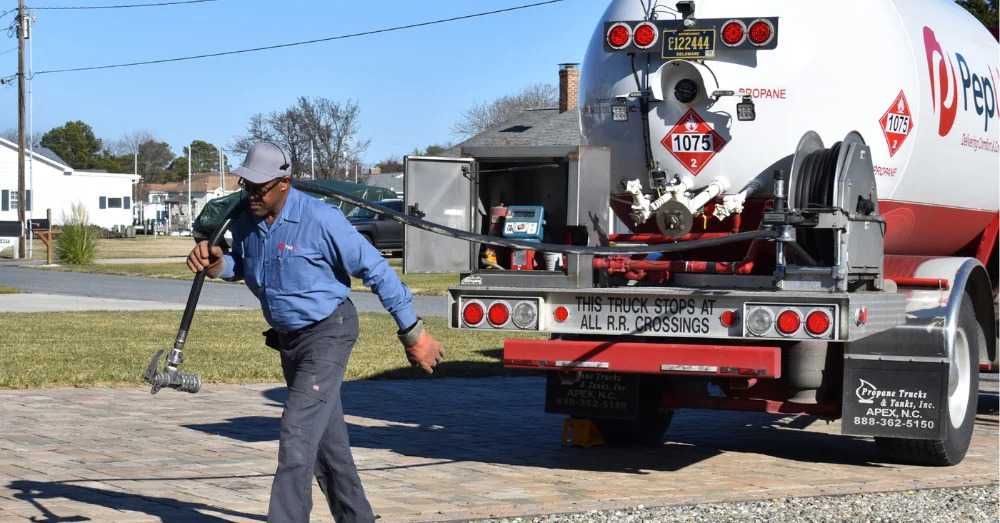
Refilling involves bringing an existing tank to a service location where fuel is added directly into the cylinder.
The process typically charges by the gallon, which means users pay only for the amount of propane received.
This method often results in a lower cost per unit of fuel. Since the tank remains in the user’s possession, there is no need to exchange it for another cylinder.
Familiarity with the tank’s condition also becomes an advantage.
Refilling allows users to maintain control over tank quality.
Those who invest in higher-grade cylinders can continue using them without risk of receiving a lower-quality replacement.
Over time, this consistency contributes to predictable performance.
Service times for refilling may differ. Some locations require staff assistance, which can introduce wait times during busy periods.
Despite this, many users accept the trade-off due to cost savings.
How Propane Exchange Programs Operate
Exchange programs offer a different approach.
Users bring in an empty tank and swap it for a pre-filled cylinder. The process is quick and often available at retail locations, which adds convenience.
Flat-rate pricing simplifies the transaction.
Customers pay a set fee regardless of how much fuel remains in the returned tank.
This structure can lead to higher costs per gallon compared to refilling.
Exchanged tanks may not always be filled to full capacity.
Some programs fill cylinders to a standardized level that falls below maximum capacity.
This practice allows for safer storage and transportation but affects overall value.
Tank condition can be different from one to another within exchange programs.
Users may receive cylinders with visible wear or older manufacturing dates.
While these tanks meet safety standards, they may not match the quality of a personally maintained cylinder.
Cost Comparison Over Time
Initial pricing differences between refill and exchange options may seem small, though long-term usage reveals a clearer gap.
Refilling typically results in lower cumulative costs due to pay-per-gallon pricing.
Frequent users benefit the most from refilling. Regular fuel consumption amplifies the savings gained from lower per-unit costs.
Over months or years, this difference can matter.
Exchange programs appeal to occasional users who prioritize speed.
Paying a higher rate may feel acceptable when usage remains infrequent. The convenience often outweighs cost concerns in these cases.
Hidden costs can also influence the decision.
Partial fills in exchange tanks reduce the total amount of usable fuel, which effectively increases the price per gallon. Refilling avoids this issue by delivering measurable quantities.
Convenience and Accessibility
Convenience often drives consumer behavior.
Exchange programs excel in accessibility, as they are commonly found at grocery stores, hardware retailers, and gas stations.
This widespread availability supports quick transactions.
Refilling locations may be less common in certain areas.
Users may need to travel farther or plan visits during specific operating hours.
This limitation can affect those who prioritize immediate access.
Time considerations also come into play.
Exchange transactions usually take only a few minutes. Refilling may require additional time depending on staffing and demand.
Storage and transportation influence convenience as well.
Carrying multiple tanks for refilling may require more planning, especially for larger setups.
Exchange programs allow users to swap tanks individually, which simplifies logistics.
Environmental Impact of Each Option
Sustainability continues to shape consumer decisions.
Refilling supports reuse, which reduces waste associated with manufacturing and transporting new cylinders.
This approach goes well with efforts to minimize environmental impact.
Exchange programs involve a rotation of tanks within a distribution network.
While this system maintains safety standards, it introduces additional transportation and handling steps. These processes contribute to overall resource use.
Programs like refillable small-cylinder systems reduce disposable waste.
Reusing compact tanks instead of discarding them supports long-term environmental goals. This shift reflects growing awareness of sustainable practices.
Fuel efficiency remains consistent across both options.
The environmental difference lies more in tank management than in fuel performance.
Safety and Maintenance Considerations
Safety remains a priority regardless of the chosen method.
Refilling allows users to monitor their tank’s condition closely.
Regular inspection helps identify dents, corrosion, or valve issues before they become problematic.
Exchange programs shift this responsibility to the provider. Tanks undergo inspection and refurbishment before re-entering circulation.
This process maintains compliance with safety standards, though users have less control over individual tank history.
Valve condition and certification dates should always be checked.
Even within exchange programs, verifying these details adds an extra layer of awareness.
Proper storage practices remain consistent across both options.
Tanks should be kept upright in well-ventilated areas away from heat sources. Routine checks support safe operation over time.
Flexibility for Different Usage Patterns
Different usage patterns call for different approaches. Frequent users often favor refilling due to cost efficiency and control over equipment.
This method supports long-term fuel management strategies.
Occasional users may lean toward exchange programs for convenience.
Quick access and minimal effort are compatible with less frequent usage patterns.
Mixed approaches also exist. Some users rely on refilling for primary tanks while using exchange services during travel or emergencies.
This combination allows for flexibility without committing to a single method.
Equipment compatibility also influences flexibility.
Systems that rely on multiple tank sizes or specialized connections may benefit from a refill-focused approach.
Maintaining consistent equipment reduces the risk of mismatched components.
Making the Right Choice for Your Needs
Choosing between refill and exchange depends on priorities. Cost-conscious users often gravitate toward refilling due to long-term savings.
Those who value speed and accessibility may prefer exchange programs.
Evaluating usage frequency helps clarify the decision.
High consumption rates amplify the benefits of refilling, while lower usage may justify the convenience of exchange services.
Location also matters. Access to nearby refill stations can tip the balance in favor of refilling.
Limited availability may make exchange programs the more practical option.
Equipment quality and maintenance preferences should not be overlooked.
Users who invest in high-grade tanks may prefer to retain them through refilling rather than risk receiving a different cylinder.
Careful evaluation leads to a more educated decision.
Recognizing the trade-offs between cost, convenience, and control helps users select the option that meets with their specific needs.