
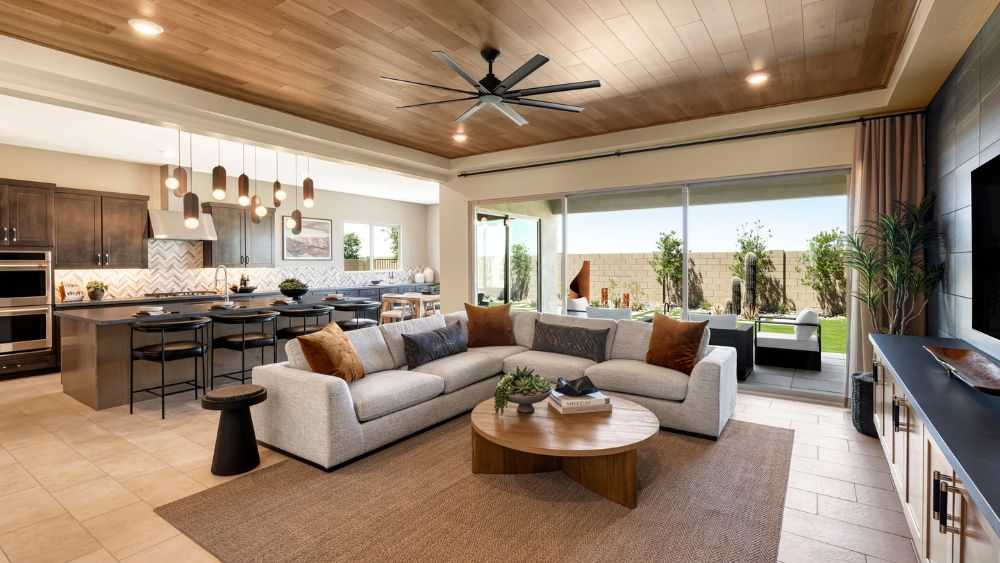
Have you ever walked into a home that looked great but somehow felt off? That disconnect happens more often than people admit.
A space can be stylish, yet still feel inconvenient during daily routines.
In places like Cromwell, CT, where homes often balance charm with practicality, that gap becomes more noticeable.
The idea of livability has changed in recent years.
More time is spent at home, and expectations have shifted.
Remote work, rising utility costs and a stronger focus on comfort have pushed homeowners to think differently.
It is no longer enough for a home to look good. It has to work well, every single day.
This shift has created a new approach to home updates.
Instead of chasing trends, people are focusing on purpose.
Every change is expected to solve a problem or improve a routine.
Yes, this is true, design without function feels incomplete now.
In this blog, we will share how to approach home updates with purpose, focus on what truly improves daily living and make choices that feel right long after the work is done.
When comfort starts in the most used spaces
Some areas in a home quietly carry more weight than others.
Bathrooms are a perfect example. They are used daily, often multiple times, yet they are frequently overlooked during planning.
That is starting to change.
People are paying closer attention to how these spaces function. Showers, in particular, have become a focal point.
Poor layouts, outdated fixtures or limited space quickly affect comfort. These issues may seem small, but they add up over time.
This is where smart updates make a difference.
Working with a reliable company that offers shower replacement in Cromwell can help align design with actual use.
The goal is not just to install something new. It is to improve how the space supports everyday routines.
Consider a household dealing with a cramped shower that feels inconvenient each morning.
It is tolerated for months, maybe years. Then a simple upgrade is made.
The layout improves, water flow is consistent and movement becomes easier.
The change feels immediate, and the impact is felt daily.
Why wait for frustration to build when a solution is within reach?
The shift from showpiece to real-life function
There was a time when home updates were guided by appearance alone. A glossy finish or bold design was often enough to justify a project. That mindset is fading.
Today, function is leading the conversation.
A kitchen is expected to support cooking efficiently.
A living room should feel comfortable for both work and relaxation. Spaces are being judged by how they perform, not just how they look.
This shift has been influenced by broader trends.
Remote work has turned homes into multi-use environments. People need spaces that adapt to different tasks. A dining table may double as a workspace.
A spare room may serve multiple roles.
It is not about doing more. It is about doing what works.
Updates that improve flow, reduce effort and support daily habits tend to feel more valuable.
Is it not interesting how practical changes often feel more satisfying than decorative ones?
Small updates that quietly change everything
Not every improvement needs to be large to be effective.
In fact, smaller changes often deliver the most noticeable results. They address specific issues without overwhelming the space.
Focus on everyday usability
Simple adjustments can make a big difference. Better lighting improves visibility. Organized storage reduces clutter. These changes support daily routines in subtle ways.
Improve movement within spaces
Layouts should allow easy movement. Rearranging furniture or adjusting fixtures can create a smoother flow. This reduces frustration and improves comfort.
Choose materials that last
Durability matters. Materials that hold up under regular use reduce the need for frequent repairs. This saves both time and money.
Add flexibility where possible
Spaces that serve multiple purposes are increasingly valuable. A room that adapts to different needs supports changing lifestyles.
Pay attention to details
Handles, finishes and small design elements influence how a space feels. These details often complete the overall experience.
Energy-efficient HVAC upgrades matter here too, even if they are less visible. Better systems improve comfort, reduce monthly costs and make daily living feel easier.
A home that looks polished but heats or cools unevenly still feels unfinished.
These updates work because they are practical.
They respond to real needs rather than imagined ones.
Have you noticed how small changes can shift how a home feels almost instantly?
Planning with purpose instead of impulse
Impulse decisions often lead to mixed results. A feature may look appealing, but it may not fit the space or the lifestyle. That mismatch creates frustration.
Planning helps avoid that. It starts with understanding how each space is used. What works well? What feels inconvenient? These questions guide better decisions.
There is also the matter of timing. Updates should be done when they are needed, not just when they are desired. Addressing issues early prevents them from growing into larger problems.
Think about a homeowner who delays fixing a minor issue. It seems manageable at first. Then it worsens, leading to higher costs and more disruption.
Now compare that to someone who addresses the problem early. The outcome is smoother and less stressful.
When everything starts to feel right
A home becomes more livable when its spaces support daily life without effort. Movement feels natural. Tasks feel easier.
Comfort becomes consistent.
This does not happen by accident. It is the result of thoughtful updates that align with how the home is used.
Each change contributes to a larger sense of balance.
There is also a sense of satisfaction that comes with this approach.
A well-functioning home reduces stress. It supports routines rather than disrupting them. That feeling is often what people value most.
Livability is not about perfection.
It is about making choices that improve how a home is experienced every day.
When updates are guided by purpose, they create spaces that feel right, not just look right.
And that is what truly makes a house feel like it is working for the people who live in it.