
Owning an older home is a love story…
Until the plumbing acts up.
Outdated piping is every owner’s worst nightmare.
They’re concealed within walls, beneath floors, and tucked away in crawl spaces — silently deteriorating until they suddenly break.
Here’s the kicker:
Our nation’s housing stock continues to age. New industry data show that the average age of a U.S. home hit 42 years old in 2021 — translating to millions of homes that have far exceeded the expected life of their original pipes.
So what should you actually watch for?
Why Old Pipes Are Such A Big Deal
Old plumbing isn’t just an inconvenience.
That is a money pit waiting to explode.
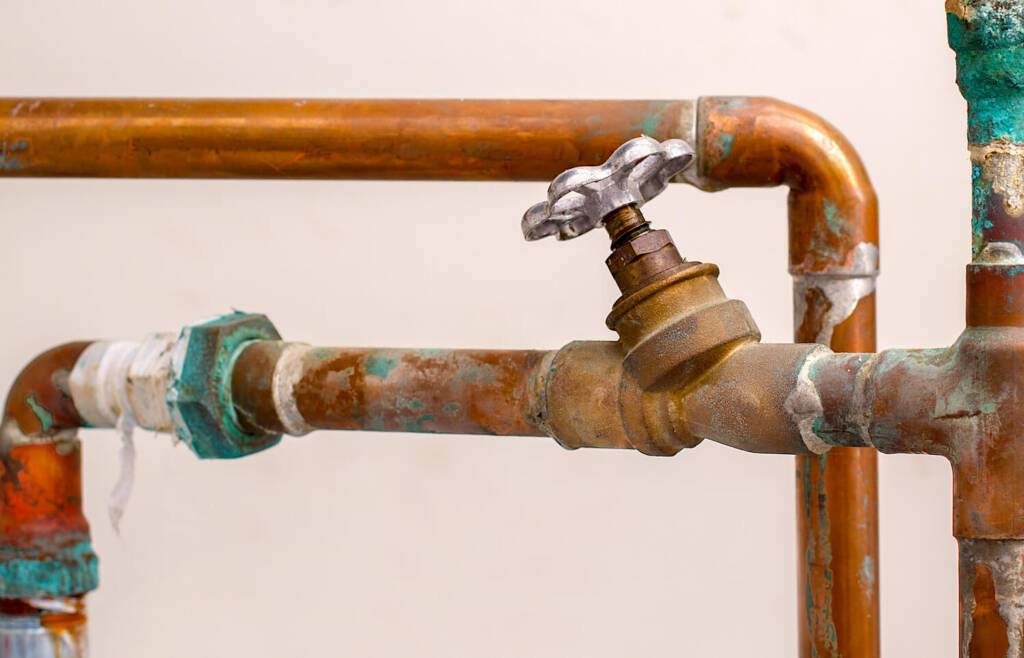
Pipes rust, leak and become pin holed as they age from the inside out.
When you see something wrong on the outside it has probably been getting worse for months.
Plus leaks add up quickly.
According to the EPA, household leaks account for about 1 trillion gallons of water wasted nationwide each year. And 10 percent of homes waste 90 gallons or more PER DAY.
Water you’re paying for and not using!
Older pipes are usually the culprit. They develop:
- Pinhole leaks that drip behind walls
- Mineral build-up that restricts water flow
- Corrosion that turns water rusty or discoloured
- Sagging (“pipe bellies”) that cause slow drains and clogs
Think of it this way, the longer you wait the worse it becomes.
Weird noises, low pressure, discolored water coming out of your taps.
That is your plumbing speaking to you. Contact a professional plumber Woodbridge VA to have an inspection before that little problem causes water damage in your basement.
The Most Common Pipe Materials In Older Homes
Not all old pipes are created equal.
Every material acts a little differently.
Knowing what you have inside your home allows you to expect the unexpected.
Galvanized Steel
Galvanized steel pipes were used commonly from the 1930s until the 1980s.
The issue with galvanized steel is that it only has a 40 to 50-year life expectancy.
Most of them have well exceeded their life expectancy.
These pipes begin to rust on the inside, which causes low pressure, brown water, and leaks.
Cast Iron
Leaving rust rings in older homes is typical for drain lines.
Tough material… but it can break. With age cast iron will corrode and flake off on the inside, gradually narrowing your drains.
Copper
Common in residences built since the 1960s.
Copper is durable, however lead solder was used on some joints — and lead is toxic if consumed. Have it tested.
Lead
The scary big one. Lead wasn’t banned in plumbing completely until 1986.
If you live in a house built before that, TEST YOUR WATER. End of story.
Polybutylene & Orangeburg
Two terrible products.
Orangeburg (wood pulp and tar) and polybutylene (1970s-90s plastic pipe) both fail randomly. If you’ve got either… rip it out.
Toilet Repair: The #1 Fix Owners Always Overlook
Want to know the sneakiest leak in your entire house?
Your toilet. One of the most neglected repairs in older homes is toilet repair — and it’s costing owners big bucks.
Toilets make up almost 30 percent of the average household’s indoor water consumption and older, inefficient models waste the most water.
Here’s what most owners don’t realise:
A silent toilet leak (one you can’t hear) can waste up to 200 gallons PER DAY. That’s water flowing through your meter FOR FREE!
The most common toilet repair issues are:
- Worn-out flappers — the rubber seal in the tank decays over time
- Faulty fill valves — the tank keeps refilling when it shouldn’t
- Loose handle chains — causing constant running
- Cracked tanks or bowls — leading to slow leaks at the base
- Old wax rings — causing leaks where the toilet meets the floor
Try this experiment today. Put a few drops of food colouring into your toilet tank. Wait 10 minutes (without flushing). If you see colour in the bowl… you have a leak.
The good news is that most toilet repairs are inexpensive and easy.
A new flapper will only set you back a few bucks.
The savings on your water bill will quickly add up – the EPA estimates that by fixing simple household leaks you can reduce your bill by 10%.
Warning Signs Your Pipes Are Failing
Old pipes don’t always announce themselves with a flood.
Usually they give you clues ahead of time. Wise homeowners listen before problems become costly. Here are some clues to look for:
- Discoloured water — yellow, brown, or rust-coloured water means corrosion
- Low water pressure — often caused by mineral build-up
- Strange smells from drains or faucets
- Persistent slow drains — could be pipe bellies or root intrusion
- Water stains on ceilings, walls, or floors
- Higher water bills with no change in usage
- Banging or knocking sounds in the walls
See one of these? Act fast. Pipes aren’t self repairing — the longer you wait, the more costly the repair.
Little tip: Read your water meter with no one using water in the house.
If the dial is moving, you have a leak.
What To Do Before Things Get Worse
Living in an older home doesn’t condemn you to ancient plumbing. There are simple steps you can take to maintain it.
Here’s what every owner should do:
- Get a full plumbing inspection — especially if you’re new to the home
- Test your water for lead and other contaminants
- Replace high-risk pipes like polybutylene and lead
- Replace old toilets with WaterSense toilets — about 13,000 gallons/year saved
- Fix small leaks immediately before they become big ones
- Schedule yearly check-ups to catch issues early
A little prevention saves you thousands down the road.
Final Thoughts
Old homes come with old pipes. Older pipes don’t have to equal catastrophe.
Understanding what’s inside your walls, being aware of potential warning signs and addressing minor issues (that running toilet) early on can help save your home and your savings.
Quick recap:
- Older homes may have galvanized, cast iron, copper or lead pipes — each with problems of their own
- Toilet repair is one of the most overlooked fixes that saves serious money
- Watch for warning signs like discoloured water, low pressure, and rising bills
- A yearly inspection catches problems early
Take care of those pipes… and they’ll take care of you.