
Kitchen renovations are exciting.
New cabinets, countertops, appliances, and a fresh look. Sounds great. We’ve all been there.
But there’s one thing that most homeowners don’t plan for during a kitchen upgrade…
Every renovation creates new pest entry points.
Yes, openings in the walls. Exposed pipes. Gaps behind cabinets.
Holes around electrical outlets. These are open invitations to rodents, cockroaches, and other pests.
The good news is, with the right pest prevention measures included in your kitchen renovation plan, you can keep critters out and enjoy that new space for years.
What You’re About To Discover:
- Why Kitchen Renovations Attract Pests
- The Hidden Entry Points You Need To Seal
- Essential Pest-Proofing Materials For Your Upgrade
- Why Quarterly Pest Inspections Matter
- Smart Storage Solutions That Keep Pests Out
Why Kitchen Renovations Attract Pests
Kitchens are prime real estate for pests. Food, water, warmth, and shelter. Everything they need to survive is in the heart of your home.
Then you start a renovation.
Drywall dust and debris are instant insect attractants.
Walls come down, opening up years of pest hiding places. New gaps form around pipes, electrical work, and cabinet installations.
21 million homes have a rodent infestation each year.
Kitchen renovations are the worst because they disrupt pest habitats and create new ways for critters to get inside.
Pests living in your walls can be pushed out into your living spaces during construction.
Rodents outside the house also see renovations as an invitation. They are smart and curious. New holes you cut for pipes and cabinets are the open door they’ve been looking for.
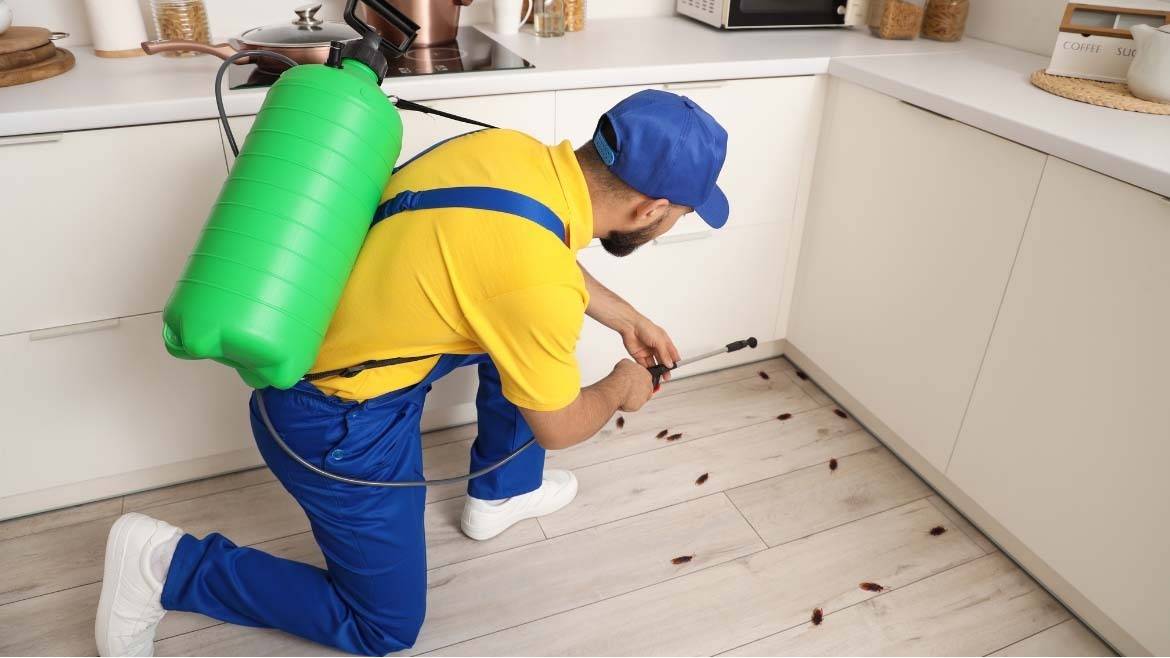
The danger is not limited to rodents. Cockroaches love renovations.
Termite experts see booms in activity after construction. Even if you had no pest problems before, construction attracts new pests from outside the house.
That’s why commercial pest control for restaurants in Ventura County and residential pest control alike rely heavily on quarterly pest inspections.
Routine, professional checks help keep kitchens pest free by detecting problems early before they become major issues.
The Hidden Entry Points You Need To Seal
It’s something your contractor won’t volunteer this information. But here’s the truth…
Installing new cabinets, plumbing fixtures, counters, flooring, and electrical work creates gaps and cracks. Even tiny ones.
Mice can squeeze through dime-sized holes.
Rats only need a quarter-sized hole to squeeze through. Cockroaches can flatten their bodies and squeeze into cracks you can’t even see.
The vulnerable areas where pests can sneak in during a kitchen renovation include:
- Around new plumbing fixtures – Pipes provide perfect pathways through outside walls into your kitchen
- Behind new cabinets – Gaps between the backs of cabinets and walls are pest superhighways
- Under new flooring – Particularly where flooring meets walls or appliances
- Around electrical outlets – New wiring can leave small gaps around outlets
- Near ventilation systems – Range hoods and exhaust fans also need to be properly sealed
The solution is simple. Use silicone-based caulk to seal up most gaps and cracks. If there’s a larger opening, fill it with steel wool and expanding foam. Rodents can’t chew through steel wool.
Essential Pest-Proofing Materials For Your Upgrade
You want your kitchen renovation to be truly pest-proof?
Build pest prevention into every stage of the project. Don’t wait until everything is finished.
Start with a door sweep on any exterior door that leads to or from your kitchen.
That small gap under the door may not look like much. It is a gap. Add weather stripping around windows too.
Escutcheon plates around pipes that enter through walls create a tight seal without gaps.
Look for pest-resistant materials you can use where possible.
Metal mesh screens over vents allow airflow but keep insects out. Smooth, sealed cabinet interiors discourage pests from nesting.
And here’s a pro tip that many people overlook…
Pull out drawers in the lower cabinets instead of fixed shelves.
They make cleaning easier and it is much easier to spot the early warning signs of pest activity. They also help keep those dark corners critters love to hide in clean.
Why Quarterly Pest Inspections Matter
Prevention is only half the battle when it comes to pests.
Even if you do everything right and have the best-sealed kitchen in town, you still need monitoring and maintenance.
This is where quarterly pest inspections are essential.
Professional pest control inspectors know exactly where to look for potential trouble. Behind appliances.
Inside wall cavities. Utility connections. Under sinks.
Pest control research shows pest management makes up 20% of health inspection scores in food establishments. Home kitchens require the same level of diligence.
Quarterly pest inspections provide:
- Early detection so small problems can be nipped in the bud
- Seasonal coverage because different pests are active at different times of the year
- Professional-grade treatments that are safer and more effective than DIY products
- Documentation that can help protect your investment if you decide to sell your home
Think of it like changing the oil in your car. Routine maintenance can prevent expensive repairs in the future.
Smart Storage Solutions That Keep Pests Out
You want your beautiful new kitchen to stay beautiful. Don’t let pests inside your food storage areas.
Storage is key. Make no mistake.
Transfer dry goods to airtight containers immediately upon purchase. Glass or thick plastic with rubber seals are the best options.
Cardboard boxes and thin plastic bags are a welcome mat for pantry pests.
Keep your pantry organized and rotate food supplies so the oldest items are in the front. This ensures nothing sits forgotten in a dark corner for weeks on end for pests to find.
Here’s another tip to consider during your kitchen renovation…
Design your storage with pest prevention in mind. Pull-out pantry shelves make cleaning easier. Dedicated trash storage with sealed lids contain odours.
A built-in recycling center that’s easy to empty prevents waste from accumulating.
And don’t forget pet food. If you have furry family members, they’ll be just as attractive to pests as your food. Keep pet food in sealed metal or heavy plastic containers.
Maintenance Habits That Protect Your Investment
A pest-free kitchen requires daily effort.
Your renovation provides the foundation. Daily habits maintain it.
Clean up food spills right away. Even small crumbs attract scout ants that report back to their colonies. Wipe down counters every night before bed.
Fix leaky pipes and faucets immediately. Pests need water and a damp, dark space under a leaky sink is a pest paradise.
Empty the trash regularly. Don’t let it overflow or sit all night.
Wrapping Things Up
Kitchen renovations are a big investment. Protect your investment right from the start with pest prevention in your plans.
Seal every gap during construction. Choose pest-resistant materials.
Set up smart storage. Most of all, schedule quarterly pest inspections to catch problems early.
Pest prevention is cheaper than paying for an infestation after the fact.
Those new cabinets won’t look so great with mouse droppings inside them.