
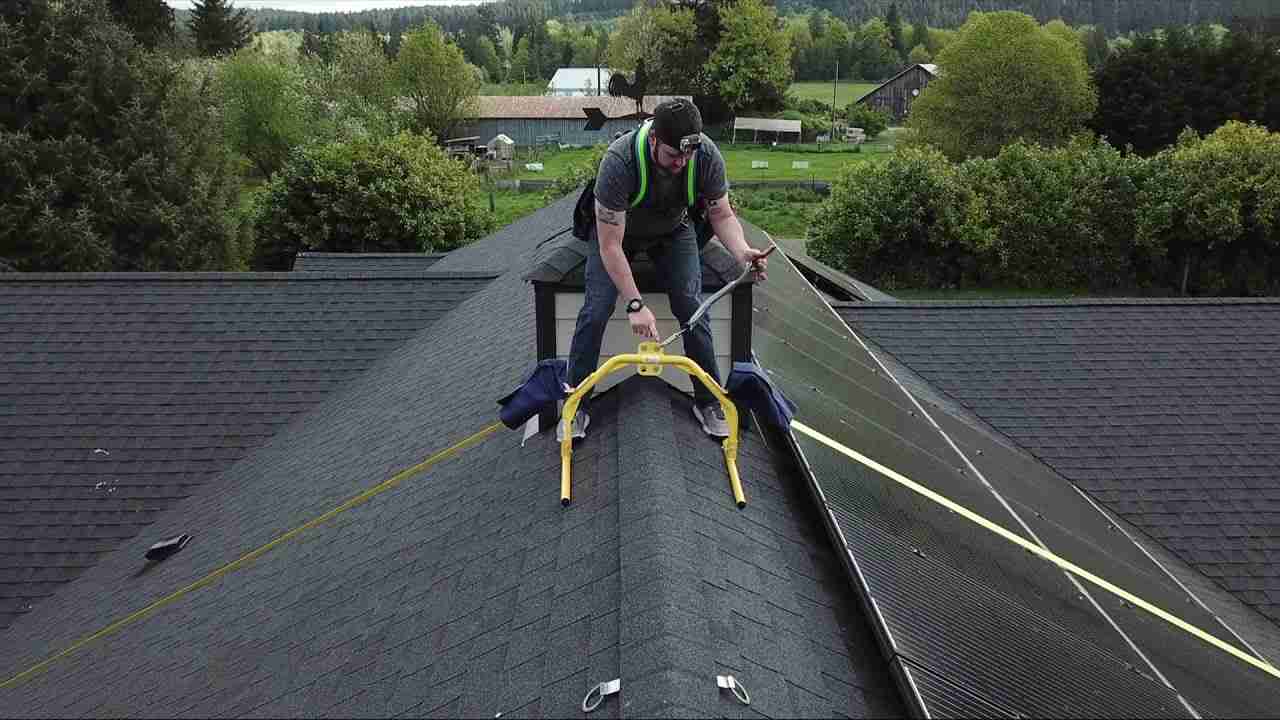
Roof anchor points can be a necessary safety addition in helping prevent accidents when working at heights.
As accidents can lead to serious injury or death, investing in reliable and high-quality roof anchors helps prevent falls by providing moderate support for lanyards and harnesses.
In this blog, you’ll learn more about these mistakes to improve operational efficiency and worker safety.
Choosing Inadequate Anchor Points
Equipment failure can be a result of oversized or inappropriate anchorage, which is not okay. Choosing anchors that are certified to AS 5532 and installed as per AS 1891 will provide you with confidence.
In preference to the wrong anchor type, the prior selection of anchor type for the work to be performed is a failure.
A force arresting indicator permits workers to perform their tasks confidently.
How to recognise a reliable seller for roof anchors:
- Confirm Australian Standards adherence: Seek out sources that specify AS5532 and AS1891 compliance, and confirm AS5532 certification is available
- Analyse products, testing, and documentation: Quality retailers have load ratings, installation documentation, and other technical papers for every roof anchor
- Consider experience and support: Trustworthy retailers have experienced personnel who can identify the right type of anchor needed for the roof and the job
- Examine support for installation and compliance: Retailers provide installation documentation and inspection documentation to support the retention of safety
- Consider reputation and support after the sale: Reliable retailers have a reputation for consistent quality and provide support that helps to maintain compliance
Improper Installation
Anchors should be firmly attached to the supporting structure with suitable anchoring methods and in alignment.
Mistakes frequently fall to the size of bolts being too small, inadequate attachment to support beams or wrong placement over the position of the worker.
Trained workers are trained to properly install the anchors to meet safety standards and support the forces generated during a fall.
Ignoring Regular Inspections
Frequent examination of these rooftop anchors is essential to ensure they remain intact and compliant.
Lack of attention to wear, corrosion, or roof damage can place equipment at risk for failure.
Inspections keep rusty areas, loose bolts or effects of weathering from becoming safety hazards.
Inspection records provide evidence of regulatory compliance and establish a foundation for ensuring workplace safety.
Overloading Anchors
Each roof anchor has a specific capacity, which means this capacity is designed to sustain a single worker with their tools and a fall protection system.
Going over this limit can cause the anchor to fail, whether it is by having more than one worker on the anchor or adding more tools.
You can be certain that the anchor is functioning under these conditions when professional safety guidance is present.
Lack Of Worker Training
A fall safety system is rendered useless if employees do not receive adequate training. Poorly adjusted harnesses.
Misuse of lanyards and not implementing fall-arrest procedures can result in fatalities.
Training teaches employees about safety systems, proper usage of anchor points, system connections, and compliance with fall safety procedures. Training employees needs to be factored in:
- Worker experience and role: It is necessary to understand each worker’s experience, role, and level of exposure to working at heights to align training to the tasks they will be completing
- Site hazard training: Training needs to be customised to the specific conditions of the site by factoring in the roof pitch, location of anchors, access points, and proximity to edges
- Equipment compatibility: It is critical to ensure the harnesses, lanyards, connectors, and anchors that will be used in the training are the same as the ones that employees will be using on-site
- Physical capabilities: It is critical to understand the fitness level of the worker and any other factors that will impact the worker’s ability to safely utilise fall-arrest and response systems.
- Emergency and rescue training: Specific rescue techniques, response times, and available equipment need to be factored so that real scenarios can be incorporated into training
Neglecting Environmental Factors
Roof anchors are susceptible to weathering, which can change the materials in use.
Community exposure to the sun, rain, wind, humidity, and coastal environments can weaken the anchors.
Overlooking environmental conditions that are not suitable for the weather increases the failure.
Regular maintenance of anchors, especially those that are coated, will enhance their reliability.
Inadequate Planning For Roof Access
Always remember that safety roof anchors need to consider the movement and access of all high-risk positions.
Poor system design can create high anchor spacing, restricting safe movement or causing workers to unclip frequently.
Expert design of the system provides access to the points of the roof. Don’t forget that with the right design, you can reduce hazards and improve efficiency.
Using Non-Compliant Or Uncertified Equipment
Using roof anchors that are not certified or do not meet Australian regulations is a common error.
Non-compliant equipment can look acceptable, but will frequently be an inadequate anchoring solution.
Australian certified anchors are compliant with standards and have been tested for performance under load. Using non-certified anchors eliminates that compliance and increases the danger.
Failing To Integrate Anchors Into A Complete Fall Protection System
Since roof anchors are only one part of the system, they can be installed without considering other components.
If system components are not compatible, the effectiveness of the system can be greatly decreased during a fall.
Also, overall system performance can be improved by integrated planning. This leads to better safety and ensures that the anchors are going to be functioning as intended.
Ignoring Rescue And Emergency Procedures
If a worker becomes suspended, they may experience suspension trauma, which occurs quickly. Not having rescue procedures, plans, and equipment increases the risk by delaying the response.
Safety plans must include trained personnel and the necessary equipment to allow for rescue.
Planning for these scenarios guarantees that the anchors will provide fall arrest and allow for a safe recovery.
Why many sites fail to prioritise rescue planning:
- Overconfidence in falls: Many underestimate the chances of suspension incidents and believe they would not happen on their site
- Neglected in planning: Deadlines and timelines in projects take precedence over planning, thus relegating rescue planning to the bottom of the order
- Lack of knowledge and training: There is a gap in the understanding of the rescue order and how to put it in place
- Budget constraints: It can be viewed as a budget issue to invest in extra equipment or training surrounding emergencies
- Assuming anchors are enough: There is a notion that anchors alone do not provide protection, or consider the aftermath of a fall
Maintaining Safety With Proper Roof Anchor Practices
While roof anchors are essential for fall protection, safety can be compromised due to one of the many errors associated with selection, installation, use, or maintenance.
By avoiding errors, the system can be fully operational. In the case of professional installation and employee training, companies are able to create a safe work environment, support compliance, lower risk, and protect their employees.