
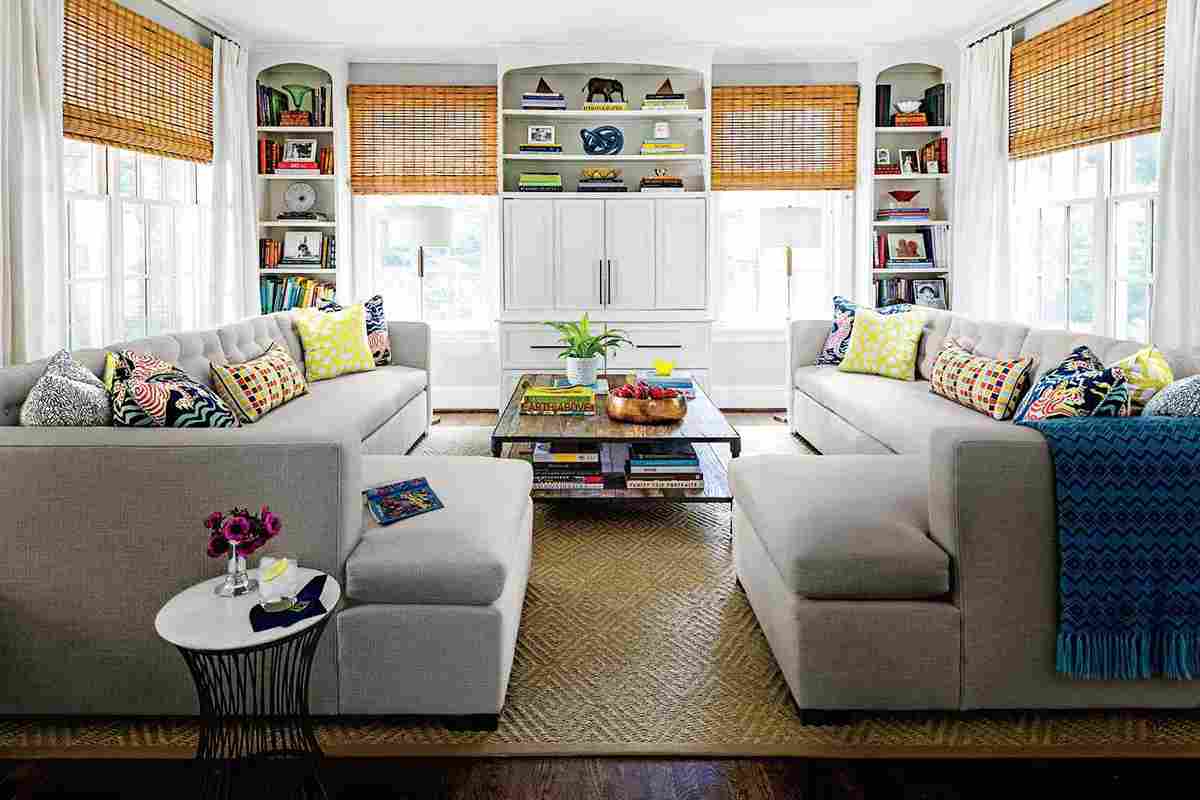
Decorating a small room is hard.
Decorating them with wall art? Even harder.
Pick the wrong frame. Hang it wrong.
Suddenly your petite space doesn’t just look small — it feels small.
The right frame and glass combination can also trick the eye into thinking your square footage is much bigger than it really is. Sound too good to be true?
It’s not.
Mirrors have been used to open up rooms for centuries — the trick is incorporating them into a wall art arrangement that makes sense for your space.
No DIY mirror gallery walls required.
New homes are 11% smaller but cost 74% more per square foot than ten years ago.
If you live in a modestly-sized apartment or rented house you’re not alone.
Small spaces are everywhere — and wall art is one of the easiest ways to make them feel larger.
Here’s how to do it.
Why Decorating Small Rooms Is So Tricky
When people try to decorate small rooms, they often approach it from the wrong angle.
They fill tiny walls with dozens of pieces.
Layer in funky shapes. Splash bold colours all over the wall.
But when working with less square footage, all those crazy angles and unconventional choices make the space feel cluttered and closed in.
Same rule applies to art.
Big wall arrangements feel overwhelming in tiny rooms.
Dark wood frames and ornate details swallow wall space. Heavy-handed art decisions like these drown a room in visual noise.
The trick to decorating small rooms is keeping the arrangement:
- intentional
- cohesive
- focused on guiding the eye upward & outward
Wall art is no different. If it doesn’t draw the eye upward — or outward across a gallery wall — a small room is going to feel like it’s shrinking.
Except when it does.
Frame and Glass Selection That Makes All The Difference
It’s the wall art framing everyone forgets about.
But frame and glass selection is just as important as the art itself when it comes to small rooms. Heavy, ornate frames suck all the life out of a small space.
Dark wood or black metal bring visual weight to an art piece — and walls that can’t support that weight feel tighter and smaller.
Slimmer frames work best. Lightweight metal frames. Thin natural wood profiles.
Frameless art are the best bets when hanging art in a small room.
Glass matters too. Glare from standard glass creates a harsh reflection that bounces the eye around the room.
Non-glare or anti-reflective glass lets you soak in the piece you love without distracting reflections.
And when working with a local art framer, custom picture frames in Memphis can be perfectly matched to any space.
Experienced framers can guide frame and glass choices depending on how much light the room gets too.
Quick frame and glass rules for small rooms:
- Choose thin frames (aim for under 1 inch total width) in light or mid-tone finishes
- Avoid dark wood and heavy brass/bronze finishes
- Non-glare or anti-reflective glass is a MUST in small rooms
- Stick to one frame style if hanging multiple pieces
With thin frames and intentional matting it’s easier than ever to achieve that polished gallery wall look without cluttering the space.
The Right Way To Arrange Wall Art In Small Spaces
Beautiful wall art. Framed by a lightweight metal frame and topped with anti-reflective glass. Now what?
Arrangement. Hung correctly, art arrangement can make or break a small room.
Here are the main things to keep in mind when arranging art in a small space.
Pick Vertical Pieces
Vertical pieces are literally magic.
Anything that draws the eye upward makes ceilings feel taller than they really are.
Art pieces that are taller than they are wide, hung vertically rather than horizontally on the wall, immediately open up the space.
It works for gallery walls too.
Too many horizontal pieces on any wall and it starts to feel narrow and cluttered.
Hanging art vertically or arranging a gallery wall in vertical columns creates instant square footage.
Choose One Large Piece Over Many Small Ones
One large wall hanging always looks better than a cluster of tiny pieces when decorating small rooms.
Same rule applies to art. A small cluster of tiny frames on a wall creates visual clutter. Look for one larger piece of art with simple matting that fills out the wall.
Here’s another rule of thumb.
The width of the art should span roughly 60–75% of the width of the furniture below.
Art hung above sofas and seating like this looks intentional rather than accidental.
Build A Gallery Wall The Right Way
Small rooms CAN have gallery walls. It just takes some extra planning.
Instead of placing each frame on the wall individually, lay out the entire gallery on the floor first. Look at the arrangement as a whole rather than individual pieces.
Keep frames closer together (maximum of 6–8 inches apart) and think of the gallery as one single display.
Hang each frame on the wall using the layout created on the floor.
When frames are kept close together the eye recognises the gallery as a single art piece, not a collection of random art.
Mirrors and reflective art can make rooms noticeably larger — use them as part of a gallery wall arrangement, or on their own.
Mirrors win at everything.
Colour, Mirrors and Reflective Surfaces
Mirror-placement aside, reflective surfaces are a strong ally when hanging wall art in a small room.
Lighter artwork works better than dark whenever possible. But if a favourite piece features darker colours or darker frames, lean into reflective surfaces to keep the room feeling light.
Hang a large mirror opposite a window to reflect natural light around the room.
Light coloured matte frames allow the eye to focus on the art rather than getting distracted by glare on the mount.
Small Room Wall Art Colour Rules:
- Light-coloured walls appear larger and brighter than dark ones
- Cool colours recede (light blues, whites, soft grey) and calm a space
- Warm colours and darkness draw the eye inward — use these sparingly
- Keep mounts around artwork white or light cream to create breathing room
All these tips tie back to frame and glass selection too.
Matte black and ultra-clear non-reflective glass both create different types of reflection and depth within art.
Choose glass and frame finishes that work with the art rather than against it.
Mistakes People Often Make When Decorating Small Rooms With Art
Hanging art in a small room feels restrictive. Which means there are almost limitless ways to do it wrong.
Here are just a few mistakes to avoid when hanging art in small spaces:
- Hanging art too high on the wall. Art centres should sit around 57–60 inches from the ground. Mounting any piece higher than that immediately feels off.
- Adding too many small frames to a wall.
- Giving oversized art pieces oversized ornate frames.
- Skimping on glass quality.
- Spacing out frames too much on a gallery wall. More than 8 inches of space between frames and it’s no longer a gallery wall — just arranged scrap metal.
Easy fixes. All that’s needed is a little bit of planning.
Let’s Wrap This Thing Up
Wall art is one of the easiest ways to make small rooms feel bigger and brighter.
Just remember to:
- Keep everything intentional
- Lay out gallery walls on the floor first
- Choose vertical pieces whenever possible
- Keep frames thin and light
- Ask for matting advice when working with local framers
- Choose non-glare glass to keep things from getting too distracting
- Remember mirrors are a powerful tool
- Look for art with reflective surfaces to bounce light around the room
- Keep colours light and airy whenever possible
Control the eye and you control the room.
Hopefully these tips help make the most out of any small space.