
Owning a beachfront property could mean unlimited views of breathtaking sunsets and being rocked by the rhythmic lull of waves.
Spending hours on the coast promises relaxation and a lifestyle that feels like a permanent vacation. It’s living the dream for many.
But here also lies the truth that no glossy real estate brochure tells you: living by the water is as much an emotional journey as it is a financial one.
While owning a beachfront home can upgrade your lifestyle, it can also challenge you in ways you didn’t expect.
Knowing what’s ahead means you can ride that emotional tide and come out stronger for it.
Anxiety Can Become Your Shadow
The ocean view can be intoxicating.
You’ll end up staring out the window longer than you should, mesmerized by the seemingly endless horizon.
You also get to fall asleep to the sound of waves and wake up to sunrises that feel like a dream.
But anxiety is the undercurrent that most beach property owners don’t tell you about.
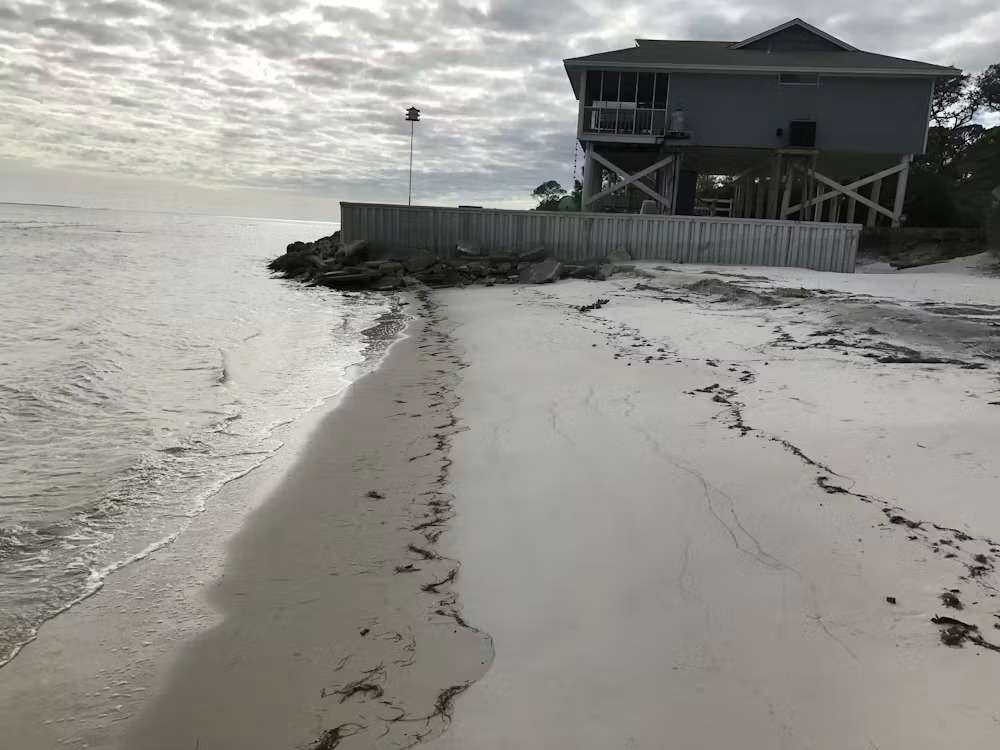
Living on the coast means experiencing the effects of climate change in your front and backyard.
You’ll be face-to-face with forces bigger than yourself, including storms, hurricanes, and flooding.
Living here means developing a heightened awareness of nature’s power, while also learning how to protect your home from costly damage.
You may also catch yourself checking your exterior regularly for salt and sun damage, feeling like the environment is slowly trying to reclaim what’s yours.
In a place like Virginia Beach, for instance, where the coastline shifts with every season, that vigilance becomes a way of life.
Having someone like Jake Maines, Virginia Beach neighborhood expert, in your corner before you buy can save you from expensive surprises down the line.
A good Virginia Beach realtor has seen enough properties to know which ones will love you back, and which ones will drain you.
Costs Can Easily Build Up
Coastal construction and renovations come with higher permit fees and project costs.
Materials need to be rust-resistant, and windows must be impact-resilient. And if your home sits in a flood zone, you’ll need to comply with the Federal Emergency Management Agency or FEMA’s 50% Rule, which mandates bringing the entire property up to code if your renovation costs exceed half of the structure’s value.
Beachfront properties also typically carry higher assessments.
Land scarcity drives value, and with only so much coastline available, your property taxes will likely reflect that.
You might also find your home subject to a special assessment tax that funds community projects in the area.
The good news is that a well-maintained coastal home can command a strong resale price.
A real estate agent will run a comparative market analysis.
If your property is in great shape, the listing price may be higher than you’d expect, giving you the best possible return on your investment during resale.
Maintenance Fatigue Is Real
Coastal properties demand more ongoing care than most people realize.
Salt air corrodes metal, humidity warps wood, and sand finds its way into places you wouldn’t think possible.
Expect to spend some weekends repainting and repairing.
If that starts to feel like too much over time, consider hiring a coastal property management firm to handle the coordination.
These companies are especially valuable for luxury or rental properties, handling everything from maintenance to tenant screening and lease management.
Either way, the upkeep is non-negotiable. Think of it like tending a garden: the care is constant, but so is the reward.
A Standard Homeowners’ Insurance Won’t Cut It
For most properties, a standard homeowners’ policy does the job, and add-ons are optional.
For coastal homes, that policy is just the first layer of a more complex picture.
Standard coverage explicitly excludes flooding, and with coastal erosion and rising sea levels becoming the new normal, flood insurance is a must.
Depending on your home’s elevation and other factors, that could range from a few hundred to several thousand dollars a year.
If you’re near Tampa Bay on Florida’s Gulf Coast, identified as the most vulnerable area in the US for storm-surge flooding, it’s especially critical.
Ironically, many beach house policies also exclude wind and hail, or apply a percentage deductible that puts you responsible for up to five percent of the home’s insured value before the carrier pays out.
So, before signing anything, get a solid quote and read the fine print carefully. An insurance contingency in your contract isn’t optional; it’s essential.
The Off-Season Loneliness
Most marketing paints coastal towns as perpetually lively: festive atmospheres, endless fishing, and a buzzing community year-round. But the reality is a little different.
There are quiet seasons in these places, where the shoreline feels like it belongs only to you. It’s a shift that can make your coastal home feel like a lighthouse at the end of the world.
The ocean has a way of pulling your thoughts out of you, and that can be deeply restorative, but it can also feel isolating.
To beat the off-season blues, find the spots where locals actually gather.
The dive bar, the coffee shop, the weekend market. Lean into hobbies that fit the solitude, like photography or writing.
The Pressure of Maintaining the Coastal Lifestyle
Once you own a coastal property, it can become part of your identity. You’re no longer just a homeowner, you’re a person with a beach place.
It sounds glamorous, and it can be, but it also comes with a certain weight.
You might feel pressured to live up to the lifestyle others imagine you have.
Being constantly outdoorsy and sun-kissed gets exhausting.
So, give yourself permission to close the curtains and spend a weekend doing absolutely nothing. You’re a resident, not a guest. And residents are allowed to just exist.
How you feel in your home matters far more than the image it projects.
Finding Your Rhythm
Buying a waterfront home isn’t just a real estate decision.
The emotional tide is just as real as the ocean tide.
You’ll feel a mix of highs and lows, sometimes in the same week. But over time, you become more attuned to the rhythms of the water and the demands of the life around it.
Despite the hidden weights, there’s a reason people never want to leave once they’ve settled in. The ocean does something to a place, and to the people who live by it.
The tides will always pull at you, but once you learn to move with them rather than against them, the salt and the sand and the waves stop feeling like a challenge and start feeling like home.