
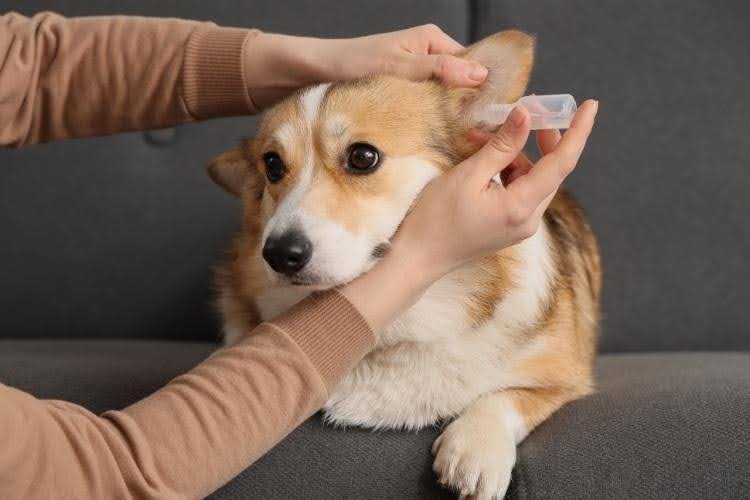
Modern homes prioritize comfort, cleanliness, and functionality. For dog owners, that balance often extends beyond furniture choices and air quality to the daily care routines that shape a pet’s well-being.
Dogs spend a significant amount of time indoors, which means hygiene affects their health and the environment they share with their owners.
This guide explores practical ways to keep your dog comfortable indoors while maintaining a clean, fresh living space. With a few consistent practices, you can create a home that supports both your lifestyle and your dog’s needs.
Create a Clean Foundation With Daily Grooming Habits
A comfortable indoor environment starts with consistent grooming. Regular brushing removes loose fur, dirt, and debris before they settle into carpets and furniture. It also supports healthy skin by distributing natural oils throughout your dog’s coat.
Short-haired breeds benefit from brushing a few times a week, while long-haired dogs may require daily attention. Establishing a routine reduces indoor shedding and allows you to monitor your dog’s skin for any changes, such as dryness or irritation.
Bathing plays a role as well, though frequency depends on your dog’s breed, activity level, and coat type. Overbathing can strip natural oils, so it’s best to use gentle, dog-specific shampoos and stick to a schedule that keeps your pet clean without causing dryness.
Beyond coat care, grooming should include nail trimming and dental hygiene. Keeping nails short prevents scratches on floors and furniture, while regular tooth brushing supports overall health and reduces odors in shared spaces.
Pay Attention to Ear Hygiene for Indoor Comfort
Ear care often gets overlooked, but it plays a critical role in your dog’s comfort. Dogs with floppy ears or those prone to wax buildup may experience irritation without regular cleaning.
This can lead to discomfort, scratching, and even infections, affecting their behavior indoors.
Using pet-specific products helps maintain ear health without causing irritation. Many owners turn to gentle ear cleaning drops for dogs to remove debris and maintain a balanced ear environment.
K9 EarClear from Pup Labs provides a straightforward solution for maintaining ear hygiene as part of a broader care routine.
Incorporating ear checks into your weekly grooming schedule can help you spot early signs of redness, odor, or buildup. Addressing these issues promptly helps your dog stay comfortable and prevents minor concerns from becoming more serious.
Manage Indoor Odors Through Preventive Care
Indoor living with dogs naturally introduces odors, but preventive care can keep your home smelling fresh. Much of odor control starts with hygiene practices rather than masking scents.
Regular washing of bedding, blankets, and soft toys removes trapped smells and bacteria. Choosing washable materials makes this process easier and more effective.
Vacuuming frequently, especially in areas where your dog rests, helps eliminate hair and dander that contribute to lingering odors.
Your dog’s hygiene routine also plays a role. Clean ears, trimmed nails, and a well-maintained coat contribute to a fresher indoor environment. Even small habits, such as wiping your dog’s paws after outdoor walks, reduce the amount of dirt and bacteria brought inside.
Air circulation matters too. Opening windows when possible or using air purifiers can improve indoor air quality, benefiting both you and your pet.
Keep Paws Clean to Protect Floors and Furniture
Dogs explore the world with their paws, so they often carry dirt, moisture, and allergens back into the home. Establishing a simple paw-cleaning routine can significantly reduce indoor mess.
After walks, use a damp cloth or pet-safe wipes to clean your dog’s paws before they move through the house. This step is especially helpful during rainy or muddy conditions.
Keeping a designated cleaning station near your entryway makes the habit easier to maintain.
For homes with hardwood or tile flooring, clean paws help prevent scratches and stains. In carpeted spaces, they reduce the accumulation of dirt and allergens embedded in fibers.
Regular nail trimming also supports paw health. Long nails can alter your dog’s gait and cause discomfort, while also increasing the risk of damage to floors and furniture.
Design a Dog-Friendly Living Space
Creating a comfortable indoor environment involves more than hygiene alone. Thoughtful design choices can support cleanliness while enhancing your dog’s comfort.
Start by designating specific areas for your dog to rest and relax. Providing a comfortable bed in a consistent location helps contain shedding and keeps your pet from moving between multiple surfaces. Washable covers make maintenance easier.
Choose durable, easy-to-clean materials for furniture and flooring where possible. Fabrics that resist stains and odors simplify cleanup and extend the life of your home furnishings.
Storage solutions also play a role. Keeping grooming tools, cleaning supplies, and pet accessories organized ensures that you can maintain hygiene routines without disruption.
Lighting and temperature control contribute to comfort as well. Dogs are sensitive to heat and cold, so maintaining a stable indoor climate supports their overall well-being.
Build Consistency Into Your Routine
Consistency is what transforms individual hygiene practices into lasting results. Establishing a routine that includes grooming, cleaning, and regular checks helps prevent issues before they arise.
Set aside specific times each week for tasks such as brushing, ear cleaning, and washing bedding. Daily habits, like wiping paws or tidying up feeding areas, take only a few minutes but have a lasting impact on your home’s cleanliness.
Pay attention to your dog’s behavior as part of this routine. Changes such as increased scratching, restlessness, or reluctance to settle may signal a hygiene-related issue that needs attention.
Even small adjustments can improve both your dog’s comfort and your indoor environment. Over time, these habits become second nature and require less effort to maintain.
Conclusion
Keeping your dog comfortable indoors involves a combination of consistent hygiene practices and thoughtful home management. From regular grooming and ear care to maintaining clean paws and living spaces, each step contributes to a healthier environment for both you and your pet.
You can reduce common challenges such as shedding, odors, and dirt by focusing on prevention and routine to support your dog’s overall well-being. A clean, organized home creates a space where your dog can relax, thrive, and feel at ease every day.