
A home can look perfect on the surface, yet still feel inconvenient every single day. That something-feels-off realization tends to show up quietly, often during routine moments.
In cities like Seattle, where homes are expected to handle weather shifts and busy lifestyles, functionality matters more than ever.
People are spending more time indoors, and expectations have shifted accordingly. Yes, this is true – comfort is now measured by how well a space supports daily routines.
Upgrades are no longer about showing off. They are about solving problems that appear again and again.
A poorly placed outlet, limited storage or inefficient layout can disrupt everyday flow. These issues may seem minor, yet they shape how a home feels over time.
So what actually makes an upgrade worth it?
Start with what does not work – not what looks good
Many upgrades begin with inspiration rather than necessity. A design is admired, and suddenly it becomes the goal. The problem is that visual appeal does not always solve real issues. Homes are used daily, not just observed.
Identifying pain points is the first step. Where does movement feel restricted? Which spaces create frustration? These questions guide better decisions. Without them, upgrades become guesswork.
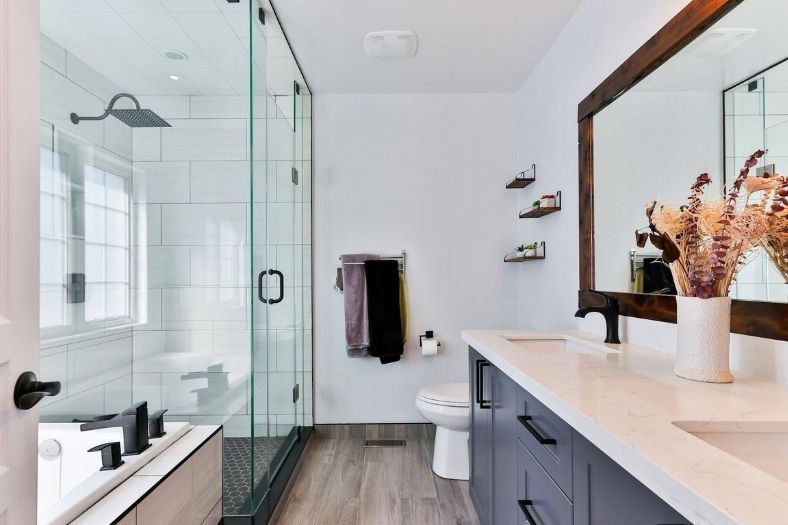
Bathrooms are often one of the first areas where problems appear. Limited space, outdated fixtures and inefficient layouts quickly affect comfort. That is why many homeowners turn to reliable Seattle bathroom remodelers when planning meaningful upgrades. The focus shifts from appearance to usability.
Consider a scenario where a family struggles with a cramped bathroom every morning. Time is lost, and frustration builds.
After a thoughtful remodel, the layout improves, and movement becomes easier. The change is not dramatic visually, yet the impact is felt every day.
Does it not make more sense to fix what disrupts daily life first?
Flow matters more than square footage
Space alone does not determine comfort. How that space is used matters more. A large room can feel awkward if movement is restricted. A smaller space can feel efficient when designed well.
Flow refers to how easily people move through a home. It includes pathways, furniture placement and access to essential areas. When flow is disrupted, daily routines become harder.
Simple adjustments can improve flow significantly. Rearranging furniture, widening pathways or adjusting layouts can create a smoother experience. These changes do not require major renovations, yet they improve usability.
There is also a psychological effect. Spaces that allow easy movement feel more comfortable. They reduce stress and make daily tasks easier.
Clutter, on the other hand, or clearing clutter, can have the opposite effect. This is not just about convenience. It is about creating an environment that supports routine.
Have you noticed how some spaces feel easy to move through while others feel restrictive?
Storage is not extra – it is essential
Storage is often treated as an afterthought, yet it shapes daily convenience more than expected. When items do not have a proper place, clutter builds quickly and routines become harder to manage. This is not just about appearance. It directly affects how a home functions.
Well-planned storage creates order. It reduces time spent searching for things and makes spaces feel more controlled. Cabinets, shelves and hidden compartments all play a role.
The goal is to keep essentials accessible without overcrowding the space.
There is also a balance to consider. Too much storage can make a room feel heavy, while too little creates constant frustration. The right approach is to match storage to actual needs. This keeps the space practical without feeling overwhelming.
Small upgrades that carry real impact
Not every improvement needs to be large to be effective. In fact, smaller changes often deliver the most consistent results. They target specific issues without overwhelming the home.
- Improving lighting to support both function and mood
- Adding storage solutions that reduce clutter and improve organization
- Updating fixtures to enhance usability and durability
- Adjusting layouts to create better movement and accessibility
- Replacing outdated elements that disrupt daily routines
These upgrades work because they address real needs. They improve how a home is used, not just how it looks. When applied consistently, they create noticeable improvements.
There is also a pattern here. Small changes, repeated across different spaces, create a cohesive result. That cohesion enhances both comfort and efficiency.
Have you noticed how a few thoughtful changes can shift the entire feel of a home?
Comfort is built through consistency – not one-time fixes
One major upgrade cannot solve every issue. Comfort is built through consistent improvements that support daily life. Each change contributes to a larger outcome.
There is a tendency to focus on single projects. A kitchen upgrade, a bathroom remodel or a new feature. While these projects matter, they are most effective when part of a broader plan.
Consistency ensures that upgrades align with each other. Materials, layouts and design choices should work together. This alignment creates a sense of balance.
Think about a home where upgrades are done randomly. One room feels modern, while another feels outdated. The result feels disconnected. Now compare that to a home where updates follow a clear plan. The difference is noticeable.
No. Comfort does not come from isolated changes. It comes from a series of aligned decisions.
When everything starts working together – life feels easier
A home reaches its best state when everything supports daily routines. Movement feels natural. Tasks feel easier. Comfort becomes consistent. This does not happen by accident.
Planning plays a major role. Upgrades should be approached with intention. Each decision should support a specific goal. This approach reduces wasted effort and improves results.
There is also a sense of control that comes with this process. Problems are addressed before they grow. Spaces are improved gradually. The home evolves in a way that feels manageable.
Yes, this matters – a well-functioning home reduces daily stress.
Home upgrades should not be about chasing trends or copying ideas. They should be about creating spaces that work better for the people who use them. Thoughtful decisions, applied consistently, lead to meaningful improvements.
Over time, these improvements shape a home that feels comfortable, efficient and easy to live in. That is the real goal. Not just a better-looking home, but a better-living one.