

A solid foundation and well-built frame form the backbone of every safe, lasting home.
Whether buying, maintaining or simply wanting to better understand a property, knowing how to assess structural integrity helps catch problems early and protect the investment.
This structural integrity checklist walks through practical, hands-on inspection techniques that reveal how well a home’s most critical systems are performing.
Understanding Your Home’s Foundation System
The foundation anchors the entire structure to the ground and distributes its weight evenly across stable soil.
Several common types serve residential buildings, each with distinct characteristics.
Poured concrete foundations create seamless walls that resist water penetration.
Block foundations stack concrete masonry units that require careful mortar maintenance.
Slab foundations combine the floor and base into one continuous pour, common in warmer climates.
Pier-and-beam systems elevate the structure on supports, allowing airflow and easier access to plumbing.
Each type performs differently under stress and requires specific inspection approaches.
Understanding the foundation type helps homeowners recognize normal behavior versus warning signs.
Exterior Foundation Inspection Checklist
Start the assessment outside, where many problems first become visible. Walk the perimeter with a critical eye, examining the base where walls meet soil.
Visual Crack Assessment
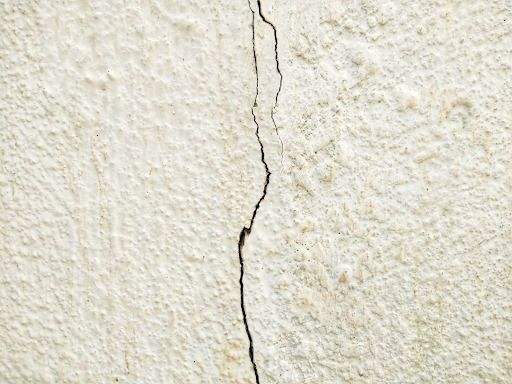
Not all cracks signal disaster, but knowing which ones matter protects homeowners from costly damage.
☐ Measure any cracks found: Hairline fractures typically result from normal settling, but cracks exceeding 3 millimeters wide require professional evaluation to rule out structural movement.
☐ Note crack orientation: Horizontal fractures indicate more serious pressure than vertical ones, suggesting soil expansion or hydrostatic force against the wall.
☐ Check for active movement: Place tape across suspicious cracks and monitor over several weeks. Tearing means the issue is progressing and needs attention.
Drainage and Grading Signs
A yard’s slope and drainage patterns impact structural stability by managing surface water, a leading cause of foundation damage.
☐ Verify proper slope: Building codes specify that the grade should drop at least 6 inches within the first 10 feet from the foundation walls to direct runoff away from the base.
☐ Inspect downspout discharge: Gutters should carry water to downspouts that release water at least 5 feet from the foundation to prevent soil saturation near walls.
☐ Look for pooling: Standing water near the base after rain signals inadequate drainage that can undermine soil support and create hydrostatic pressure.
☐ Check soil contact: Siding and trim should clear the ground by several inches, as direct contact invites moisture wicking and pest infiltration.
Interior Foundation and Crawlspace Inspection
Interior signs often reveal problems invisible from the outside. Basements and crawlspaces offer direct views of the foundation’s condition.
Basement and Crawlspace Indicators
Musty odors or damp walls can signal waterproofing issues and structural risks.
☐ Smell for moisture: Musty odors indicate persistent dampness that compromises structural materials and indoor air quality.
☐ Feel walls for dampness: Run your hand across surfaces. Cold, wet spots suggest water penetration through the barrier.
☐ Examine for efflorescence: White, powdery deposits on concrete signal water movement through the material, leaving mineral residue behind.
☐ Check for active leaks: Water stains, puddles or dripping after precipitation show the waterproofing system needs upgrading.

Frame and Floor Structure Assessment
The framing above the foundation distributes loads and maintains the home’s shape. Floors reveal how well these systems work together.
Floor Levelness and Solidity
A home’s floors reveal important information about structural health through simple tests for levelness and solidity underfoot.
☐ Test for bounce: Walk across rooms to note springiness, as excessive give suggests undersized joists or insufficient support below.
☐ Roll a marble: Place one on the floor and watch its path. Significant rolling may indicate settling or structural movement affecting levelness.
☐ Check for squeaks: Persistent squeaking can signal loose subflooring or movement between components.
Visible Frame Elements
Inspect exposed frame areas, like basements and crawl spaces, for clear signs of damage.
☐ Inspect exposed joists: Basement ceilings and crawlspaces let you examine support beams for sagging, rot or insect damage.
☐ Verify proper spacing: Standard joist spacing ensures adequate load distribution, as gaps or doubled members may indicate past repairs.
☐ Look for modifications: Cut joists or removed supports may compromise strength. Any alterations should include reinforcement.
Wall and Ceiling Structural Clues
Signs of stress on walls and ceilings are often the first clues to underlying frame movement.
☐ Scan for drywall cracks: Fractures along corners or above doorways often result from normal movement, but widespread cracking or recurring repairs suggest active shifting.
☐ Check door and window operation: Frames that bind, stick or show gaps indicate the structure has moved from its original alignment.
☐ Notice nail pops: Fasteners working loose is a cosmetic issue, but clusters appearing together point to framing movement.
☐ Examine ceiling sag: Drooping between joists or along seams may indicate inadequate support or water damage weakening materials above.
Air Sealing and Energy Efficiency
Structural integrity also includes how well the building envelope controls airflow.
Uncontrolled air infiltration accounts for substantial heat loss, sometimes reaching 40% of total energy waste, in conventional construction.
Check windows and doors for daylight gaps, feel for drafts along baseboards, and inspect attic spaces for proper insulation coverage.
These measures protect comfort and energy bills while preventing moisture-related issues that degrade structural materials.
When to Call a Professional
Some situations require expert evaluation.
If you notice foundations with multiple cracks wider than 3 mm, floors with noticeable slope or sagging across rooms, or doors and windows that won’t close properly, contact a structural engineer.
Large diagonal cracks, separation between walls and ceilings, or bowing basement walls also warrant immediate professional assessment.
Engineers use specialized tools and calculations to determine whether problems are cosmetic or require intervention.
Ensure a Home’s Lasting Strength
By regularly checking for warning signs, homeowners can address small structural issues before they become serious.
This diligence protects the family’s safety and the home’s long-term value.