
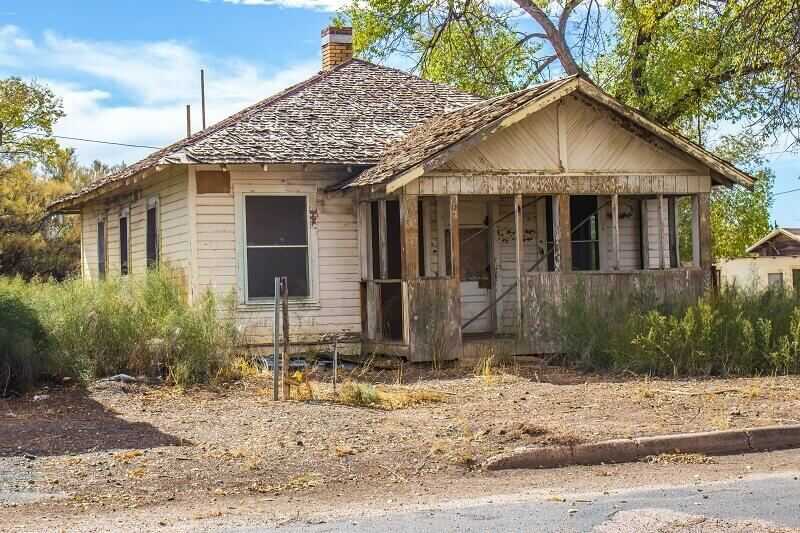
Some houses look tired before they look promising.
Peeling paint, dated cabinets, overgrown landscaping, and an awkward room or two can make buyers walk away before they notice the parts that matter most: a stable structure, a workable layout, a solid roofline, and space that can become useful again with the right plan.
That gap between potential and reality is where many fixer-upper decisions get tricky.
A home can have good bones and still become a poor buy if the timing is wrong, the repair list is vague, or the budget depends on guesses.
Smart buyers slow down long enough to understand what the house needs, then move with purpose when the numbers make sense.
The best fixer-upper plans start before the offer.
They come from looking past the cosmetic mess, asking better questions during the first walkthrough, and knowing which repairs protect value before any pretty finishes go in.
How Location Changes the Fixer-Upper Timeline
The pace of a fixer-upper deal can feel different depending on where the property sits.
In parts of the Southeast, including Georgia, Tennessee, and the Carolinas, buyers may be looking at older homes, suburban rentals, or properties that need practical updates before they’re ready to rent or resell.
In parts of Florida or Texas, the pressure may come from competition and fast-moving inventory.
In some Midwest or Northeast markets, older housing stock can make repair planning just as important as the purchase price.
Atlanta is a good example of a market where fixer-upper potential often has to be weighed against timing, repair scope, and how quickly a buyer can organize the next steps.
Some buyers compare traditional financing with options such as Atlanta hard money loans when a property has renovation potential, but the timeline doesn’t leave much room for delays.
The point is not that one market is better than another. It’s that timing has to be part of the plan.
A house with strong potential only works when the buyer has enough room to understand the repairs, the budget, and the pace of the deal before making a serious commitment.
What “Good Bones” Really Means
A fixer-upper with good bones usually has more going for it than the listing photos show.
The paint may be faded, the flooring may need to go, and the kitchen might look decades behind, but the deeper parts of the home can still make it worth a serious look.
Start with the structure. A stable foundation, straight roofline, dry basement or crawl space, and walls without major cracking can tell you more than new cabinet hardware ever will.
These parts are expensive to correct, so they deserve attention before any cosmetic plans begin.
The layout matters as well. A home with natural light, practical room sizes, decent ceiling height, and a floor plan that doesn’t require major structural changes is often easier to improve.
You can replace old finishes, update fixtures, and rethink color choices, but moving load-bearing walls or reworking the entire flow can quickly change the budget.
Good bones also show up in small, practical ways.
Wide hallways, usable storage, solid windows, safe stairs, and a yard with proper drainage all support the long-term value of a renovation.
When these basics are in place, the project has a stronger starting point, even if the surface looks rough.
The Timing Problem Most Buyers Underestimate
A fixer-upper can look like a smart buy on paper and still fall apart because the timing doesn’t work.
Sellers may want a quick closing, contractors may need time to walk the property, and repair estimates can shift once someone gets a closer look at the roof, wiring, plumbing, or foundation.
That pressure can make buyers rush the wrong parts of the decision.
They may focus on the purchase price before they understand the repair order, or they may assume the project will be simple because the home looks mostly cosmetic at first glance. That’s where mistakes begin.
A smart buyer studies the pace of the deal before emotion takes over.
If the timeline is tight, the repair list needs to be even clearer.
If estimates are incomplete, the offer should leave room for what the first walkthrough might have missed.
Good timing doesn’t mean moving slowly. It means knowing what has to be checked before the decision becomes expensive.
The Walkthrough Clues That Matter More Than Paint
A first walkthrough should be calm, curious, and a little skeptical.
Fresh paint can hide rough spots, and ugly paint can make a solid house look worse than it is.
The real clues are usually in the places sellers hope buyers won’t study for long.
Look up first. Stains on ceilings, sagging gutters, missing shingles, or dark marks near vents can point to moisture problems.
A roof doesn’t have to be new to be workable, but it should be understood before the offer depends on a light repair budget.
Then look down. Sloped floors, soft spots, cracked tile, or gaps around baseboards can signal settling, water damage, or past repairs that need a closer review.
One uneven room may have a simple explanation. Several uneven rooms deserve more caution.
Older homes also call for extra attention around paint, windows, trim, and dust.
If the property was built before 1978, renovation work may disturb lead-based paint if it’s present, so buyers should understand basic lead-safe work practices before planning demolition or repairs.
The systems matter as much as the structure. Check the electrical panel, visible plumbing, HVAC age, drainage around the yard, and signs of past leaks under sinks.
A dated kitchen is easy to notice. A failing system can quietly take over the budget.
When a Cheap House Becomes an Expensive Mistake
A low price can make a fixer-upper feel safer than it is.
The problem is that the purchase price is only one part of the story.
A house that needs a roof, electrical work, plumbing updates, drainage fixes, and permit-heavy repairs can quickly erase the advantage of a bargain offer.
Cosmetic problems are easier to price. Paint, light fixtures, cabinet pulls, and flooring can be estimated with some confidence. Hidden problems are different.
Water damage behind walls, outdated wiring, old sewer lines, poor insulation, and structural repairs can stretch a budget before the satisfying parts of the renovation begin.
This is where buyers have to look past the surface and ask a harder question: is the house simply unattractive, or is it expensive in ways that aren’t obvious yet? Faded siding, old carpet, dated wallpaper, and an awkward kitchen can often be worked into a realistic renovation plan.
Foundation movement, unsafe electrical work, a failing roof, or recurring moisture can change the entire project.
A low-priced house can still be a smart buy when the repair list is clear and honest.
The best deal is rarely the one with the smallest number on the listing.
It’s the one that leaves enough room to repair the home properly, handle surprises, and still make the work worthwhile.
Why the Repair Order Matters
The order of repairs can make or break a fixer-upper plan.
It’s tempting to start with the visible upgrades because they make the house feel better right away, but paint, tile, and fixtures should come after the home is dry, safe, and structurally sound.
Moisture comes first. Roof leaks, poor drainage, damaged gutters, crawl space dampness, and plumbing leaks can ruin new finishes if they aren’t handled early.
A beautiful room won’t stay beautiful for long if water is still finding its way inside.
Safety comes close behind. Electrical issues, weak stairs, loose railings, outdated panels, and damaged flooring need attention before cosmetic work begins.
These repairs may not photograph well, but they protect the people who will eventually live in the home.
Then come the systems that affect daily comfort: heating, cooling, plumbing, insulation, and ventilation. Once those basics are stable, the cosmetic work has a stronger foundation.
A smart renovation doesn’t hide problems under pretty finishes. It fixes the parts that give the home real staying power.
Plan Before You Make the Offer
The smartest fixer-upper decisions happen before anyone signs a contract.
A buyer should have a rough repair budget, a clear idea of the property’s likely end use, and a realistic sense of how long the work could take.
Guesswork can turn a promising house into a stressful project fast.
Start with the big categories: roof, foundation, plumbing, electrical, HVAC, windows, drainage, and permits.
Then separate must-fix repairs from nice-to-have upgrades.
New countertops may help the finished home feel modern, but they won’t matter much if the crawl space stays wet or the electrical panel needs replacement.
It also helps to think about value in practical terms.
The best updates usually improve safety, comfort, durability, and everyday function.
A thoughtful repair plan should prioritize improvements that make a real difference to how the home feels, functions, and holds up over time, rather than upgrades chosen only because they look good in photos.
A fixer-upper offer should leave room for surprises.
Older homes rarely reveal every problem during the first visit, so the plan needs enough flexibility to handle repairs that show up later.
Good timing matters, but a rushed offer without a solid repair plan can make even a strong property harder to finish well.
A Better Way to Judge a Rough House
A rough house should be judged by what’s really there, not by the worst photo in the listing or the perfect version someone hopes it could become.
The truth usually sits somewhere in the middle. Some homes need simple cosmetic work. Others need repairs that change the entire budget.
The skill is knowing the difference before the project begins.
Good bones give a buyer something to work with, but timing decides whether that opportunity can be handled well.
A strong plan looks at the structure, the systems, the repair order, and the numbers before emotion takes over.
Before moving forward, walk through the property with the finished version in mind, but price the home based on what it is today.
Check whether the layout works without major structural changes.
Look for signs of water, settling, old wiring, poor drainage, and neglected systems. Think through the repair order before getting distracted by flooring, paint colors, or kitchen finishes.
A strong project usually has a clear path from rough condition to practical improvement.
If every answer depends on hope, vague estimates, or best-case timing, the house may be asking for more than the budget can handle.
When the structure is solid, the numbers make sense, and the timing is realistic, a tired home can become exactly what other buyers failed to see.