
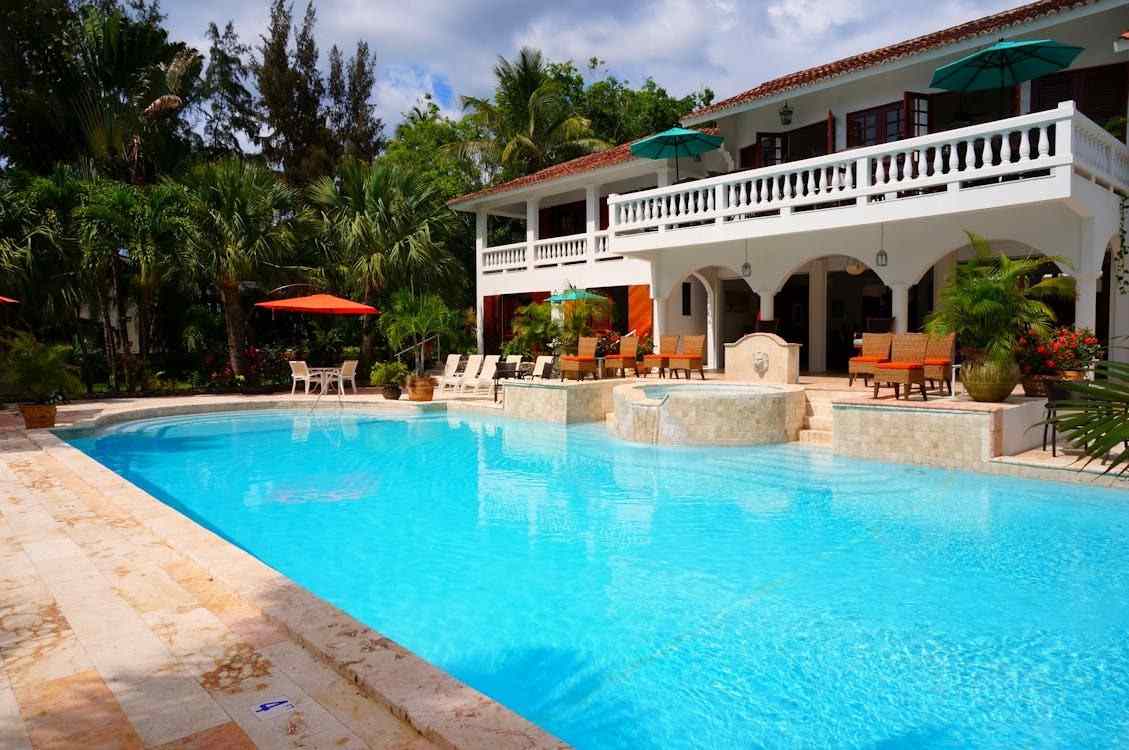
Want to extend the life of your pool and improve your curb appeal at the same time?
Pool resurfacing is one of the most overlooked updates a homeowner can make.
A worn and dull pool finish is more than an eyesore. It can promote algae growth, increase the risk of injury, and cause structural damage that ends up costing thousands.
Fortunately,
Resurfacing your pool offers aesthetic upgrades and long-term functional value that will protect your investment for years.
Let’s take a closer look at how and why resurfacing makes sense for any homeowner with an aging pool…
What you are about to read:
- Why Pool Resurfacing Matters
- The Aesthetic Benefits of Resurfacing
- How Resurfacing Improves Pool Function
- Choosing the Right Resurfacing Materials
- Protecting Your Investment Long-Term
Why Pool Resurfacing Matters
Pool resurfacing is the process of applying a new layer or coat to your pool’s surface in order to repair damage, enhance the appearance, and prolong the lifespan of the pool.
Over time, the effects of chemicals, weather, and general wear and tear from use will start to break down even the highest-quality pool finishes.
Here’s the thing…
Almost all pools will eventually need to be resurfaced, regardless of the finish type used.
Typical lifespan before needing resurfacing is around 10 to 15 years but can be shorter or longer depending on the material. Plaster pools usually need to be redone every 7 to 10 years.
With proper maintenance and care, pebble and quartz surfaces can last 15 years or more.
If your pool has any visible signs of wear, including cracks, stains, rough or chalky texture, peeling, discoloration, uneven surfaces, or areas that seem loose or separated from the rest of the pool, it’s probably time for a swimming pool remodeling job in order to restore both beauty and functionality.
Here’s the kicker…
Industry data shows that the national average cost for resurfacing a swimming pool is around $11,000 for a 1,000 square foot pool.
While that sounds like a steep investment, it’s more than worth it when you consider the pool lifespan extension, reduced maintenance costs, and increased property value that you get in return.
The Aesthetic Benefits of Resurfacing
The first and most obvious reason to consider pool resurfacing is the huge visual impact it can make.
A new, fresh pool finish will transform the look of your entire backyard and give you a whole new outdoor space to enjoy.
Think about it…
Is a cracked, stained, or faded pool the centrepiece of your backyard oasis? Probably not.
A neglected, worn pool finish not only makes swimming less enjoyable but also drags down the aesthetics of your outdoor space.
Resurfacing offers an opportunity to completely change the look and feel of your pool area.
From plaster to pebble, modern resurfacing materials provide a wide range of customisation options.
You can choose a classic white plaster for a clean, timeless look, pebble finishes for a natural, spa-like feel, or even glass bead surfaces for a luxurious, sparkling water effect.
Don’t even get me started on the colour options. With different resurfacing materials, you can alter the water’s colour from a crisp blue to Caribbean turquoise or even a lagoon-style green.
These choices alone can help you achieve exactly the backyard look and feel you desire.
Beyond just your own enjoyment, a beautiful pool is the natural centrepiece for outdoor entertaining.
A sparkling, well-designed pool will complement the landscaping and make your backyard into a paradise for family gatherings and social events.
How Resurfacing Improves Pool Function
Aesthetics are important, but don’t forget the many functional benefits that come with a resurfaced pool. A worn and deteriorating pool finish can actually cause some very real issues.
Let’s break it down…
Rough pool surfaces are not only unattractive but uncomfortable and even dangerous for swimmers.
Scratching your feet on old plaster is no fun, and a rough, porous surface is a haven for algae hiding in all those nooks and crannies.
This also means it’s harder to clean and chemicals are less effective.
Cracks and porous surfaces also contribute to water loss through slow leaks. You may not notice it at first, but over time a faulty pool surface can waste thousands of litres of water.
The result is unnecessary expense from higher water bills and chemical use.
The act of resurfacing fixes all of these problems by creating a completely smooth, sealed surface that:
- Blocks algae from settling into the pores
- Eliminates water loss from cracks and surface wear
- Allows for faster and more efficient cleaning
- Enables lower chemical usage due to better retention
The upshot is that your resurfaced pool is easier to care for, safer to swim in, and less expensive to operate every year after.
Choosing the Right Resurfacing Materials
Not all resurfacing materials are equal. The type of surface you choose will have a big impact on how long it lasts, how much it costs to maintain, and the total investment.
The important stuff about the main options:
Plaster remains the most budget-friendly option on the market today at between $4 and $8 per square foot. It offers a smooth, classic finish that many homeowners prefer but often needs replacement every 7 to 10 years.
Plaster is also prone to staining and requires more diligent water chemistry management.
Aggregate finishes like quartz and pebble are pricier but offer far superior durability. Quartz can last 10 to 15 years, and pebble finishes often last 15 to 20+ years with the right care.
These materials stain less easily and withstand chemicals much better, helping them maintain appearance longer.
Tile is the most expensive option, ranging from $20 to $50 per square foot or more. Tile lasts 20+ years and offers unmatched durability and design options.
It’s the industry standard for high-end pool renovations.
The right choice for your pool depends on budget, design preference, and future plans for the home.
A quality resurfacing job using durable materials will always pay off over the years compared to a cheap quick fix that just needs redoing sooner.
Protecting Your Investment Long-Term
Pool resurfacing isn’t just an upgrade for the present. It’s also a smart investment in the future of your property value and maintenance costs.
Here’s why that matters:
A pool in good condition with a fresh, new surface shows potential buyers that the property has been well cared for.
In markets where warm weather and swimming are common, homes with attractive pools sell faster and for more. A neglected pool will drive value down, not up.
Timely resurfacing also heads off larger and more expensive repairs in the future. A small crack today can turn into a major structural issue in the future if not addressed.
Water infiltration from a faulty pool surface can damage the pool shell and adjacent deck areas as well. Getting the surface fixed early keeps repair costs low.
Of course, regular pool maintenance after resurfacing will help you get the most out of your new surface for the longest possible time.
Proper water chemistry, regular cleaning, and periodic inspections by a pool professional maximise the return on your resurfacing investment.
Wrapping Things Up
Pool resurfacing offers a rare combination of aesthetic upgrades with practical functional value.
It can turn tired, worn-out pools into stunning backyard showpieces while fixing real issues like algae growth, water loss, and safety hazards.
To quickly recap:
- Restores visual appeal and provides customisation opportunities
- Functional improvements include safety, ease of maintenance, and lower costs
- Material choice affects durability, ranging from 7 to 20+ years
- Timely resurfacing protects property value and prevents costly repairs
Whether you are prepping your home for sale or just want to enjoy your pool for another decade or more, resurfacing is one of the smartest investments you can make.
Don’t wait until cracks turn into leaks and stains become permanent. Act now to protect your pool and your outdoor living space for the future.