
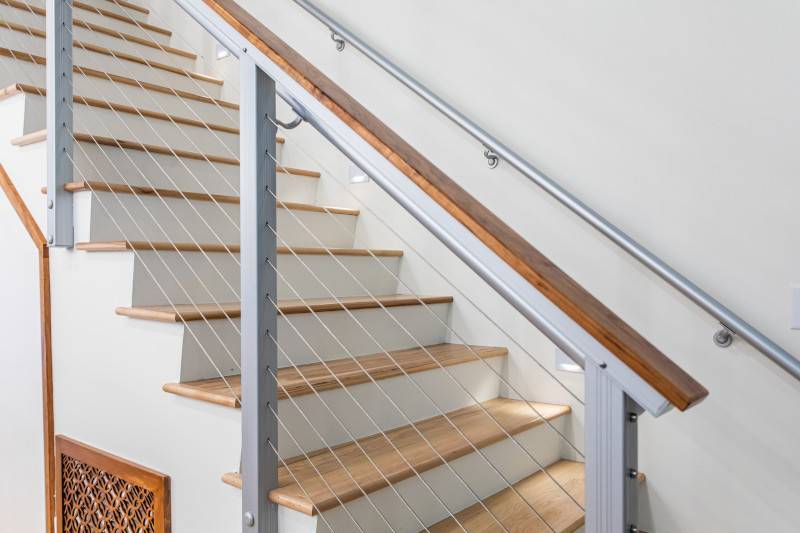
Railing systems serve as a key element in both safety and design across residential, commercial, and industrial spaces.
A well-chosen structure supports movement, defines boundaries, and adds visual order to any layout.
From balconies to staircases, the choice of mounting method plays a major role in how a railing performs over time.
A reliable pipe railing system can adapt to many structural needs when paired with the right installation approach.
Each structure demands a specific method that suits its material, load capacity, and purpose.
This article explains common mounting options and highlights how each one fits different structural conditions.
Surface Mount Options for Solid Floors
Surface mount installation suits concrete slabs, wooden decks, and finished floors.
This method places the base plate directly on top of the surface, which allows easy access and quick setup.
This option works well in spaces where drilling into the core structure poses no issue.
Anchors secure the base firmly, which ensures strong support for daily use.
Key advantages include:
- Simple installation process
- Easy maintenance access
- Suitable for retrofitting projects
Fascia Mount for Space Efficiency
Fascia mount systems attach to the vertical face of a structure rather than the top surface.
This design keeps the walking area clear, which proves useful in tight spaces such as balconies or narrow corridors.
This method relies on strong side support, often found in reinforced concrete or steel frameworks.
It allows full use of floor space without compromise on safety.
Common benefits include:
- Maximized usable floor area
- Clean and modern visual appeal
- Strong edge support when installed correctly
Core Drill Installation for Concrete Structures
Core drill installation suits heavy-duty environments where maximum strength is essential.
This method involves drilling deep holes into concrete surfaces, then securing posts with grout or chemical anchors.
This approach offers a solid hold, which makes it ideal for high-traffic areas such as commercial buildings, public walkways, and industrial platforms.
Key features include:
- High load capacity
- Long-term durability
- Minimal visible hardware
Side Mount Systems for Elevated Platforms
Side mount systems attach directly to the side of stairs, ramps, or elevated platforms.
This setup keeps the top surface free and supports a clean, open appearance.
This option suits steel frameworks and reinforced structures that can handle lateral loads.
It provides strong support while maintaining a streamlined look.
Side mount solutions work well in:
- Industrial platforms
- Staircases in commercial spaces
- Multi-level structures
Clamp-Based Installation for Flexible Setups
Clamp-based systems offer a versatile option for structures where drilling is not ideal.
These setups use brackets or clamps to secure rails to existing elements such as beams or frames.
This method allows quick adjustments and suits temporary or semi-permanent installations. It also reduces the need for major structural changes.
Common uses include:
- Event spaces
- Modular structures
- Renovation projects
Choosing the Right Option for Each Structure
Each structure presents unique challenges, which chooses mounting method a crucial step in project planning.
Factors such as material type, load requirements, and space constraints influence the final decision.
A pipe railing system offers adaptability across various mounting styles, which makes it a practical choice for diverse applications.
Careful evaluation of the structure ensures a secure and long-lasting installation. Strong materials, precise alignment, and proper anchoring all contribute to reliable performance.
Choosing the right mounting option helps improve railing strength, safety, and long-term performance.
Each structure has different needs, so surface, fascia, core drill, side mount, or clamp-based methods should be selected with care.
A well-planned pipe railing setup can support both function and clean design.
Proper installation ensures the railing remains stable, durable, and dependable for daily use.