
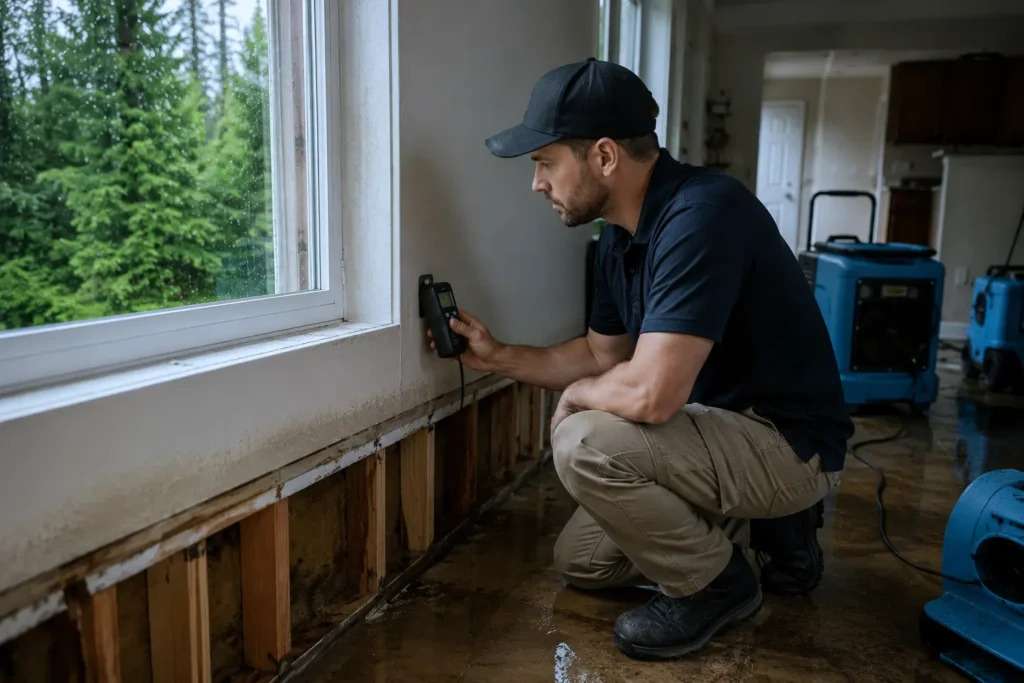
Burst pipes and leaks are the most common type of home insurance claim in the UK, and they cost insurers more than almost any other kind of damage.
Empty homes are where they do the most harm, because no one is around to spot a leak before it spreads.
A pipe that fails in a lived-in house gets caught quickly, but in a vacant property the water can run unchecked for weeks. That’s a particular worry for homes left empty during probate, when the place can sit unattended for months while the estate is sorted out.
Continue reading to find out why escape of water tops the claims tables, which empty homes are most at risk, and the simple steps that stop most leaks before they start.
What the Claims Data Actually Shows
Escape of water is one of the most common causes of home insurance claims in the UK.
The Association of British Insurers says insurers pay out around £1.8 million a day for this kind of damage, with annual payouts running into hundreds of millions of pounds.
The ABI and major insurers also report that these claims are rising in frequency, and the trend hasn’t slowed.
The reason it costs so much comes down to time.
When a pipe bursts in a home where people live, someone notices within hours and shuts off the water.
In an empty property, a slow leak can run for days or weeks before anyone finds it.
By then the water has worked its way through floors, walls, ceilings and electrics, and it can damage neighbouring properties too.
Winter makes all of this worse.
When a cold snap hit at the start of 2025, the ABI warned of a jump in burst pipe claims, with the average claim for frozen and burst pipes running well into the thousands.
Unoccupied homes tend to take the brunt of it.
Why Empty Homes Carry the Most Risk
A home left empty during probate is exactly the kind of property where no one is checking the pipes.
The owner has passed away, the family is dealing with the estate, and the house can sit vacant for months while everything is sorted out.
This is where many people get caught out.
Most standard home insurance policies restrict or drop cover for escape of water once a property has been unoccupied for a set period, usually somewhere between 30 and 60 days depending on the insurer.
An executor who assumes the existing cover still applies could be left with nothing when a claim comes in.
Arranging proper house insurance during probate will keep the property protected through the gap, which matters most over the winter months when pipes are under the most strain.
It’s worth knowing that the executor is the person legally responsible for keeping the property safe while the estate settles.
They have a duty of care to protect estate assets, and can be held personally liable if a claim falls short because cover wasn’t adequate or policy conditions weren’t met.
Sorting the right cover is one of the first things to do once a home is left empty.
Which Properties Are Most Vulnerable
Some homes are far more likely to suffer a serious leak than others. A few things push up the risk:
- Older pipework that has corroded or weakened over the years
- Loft tanks and header tanks, which can overflow or split and send water straight down through the house
- Hard water areas, where limescale builds up inside pipes and fittings and causes them to fail
- Properties with no heating left on, where standing water freezes, expands and cracks the pipe
If a home ticks more than one of these boxes, the chance of a costly claim goes up sharply.
Simple Steps That Prevent Most Leaks
The good news is that most escape-of-water claims are avoidable with a bit of basic upkeep.
You don’t need to spend much to cut the risk right down.
Lagging your pipes is the cheapest and most effective move, especially for any pipework in lofts, garages or other cold spots.
Leaving the heating on a low timer through winter stops standing water from freezing, and it’s well worth the small cost on the energy bill.
It also helps to fit a smart water leak detector, which sends an alert to your phone the moment it spots moisture. And whether the home is yours or one you’re managing for someone else, make sure you know exactly where the stopcock is.
The ABI recommends locating it and testing it regularly, because turning the water off fast is the difference between a quick mop-up and a five-figure repair bill.
Closing Remarks
Escape of water stays at the top of the claims tables for one simple reason: water spreads fast and quietly, and empty homes give it the time to do real harm.
A bit of prevention goes a long way, but cover matters just as much.
If you’re looking after a property that’s sitting empty, check the unoccupancy terms on the policy before winter sets in.
A few minutes spent getting that right could save you a great deal of money and stress down the line.