Extreme heat becomes a life-threatening emergency when air conditioning systems fail or power grids go down.
At-risk family members face serious health dangers during these critical hours.
Recognizing the symptoms of heat-related illness and knowing how to respond can protect the people who need extra care.
The Hidden Dangers of Extreme Heat for Vulnerable Groups
The human body normally regulates its temperature through sweating and increased blood flow to the skin.
When external temperatures climb too high or humidity prevents sweat from evaporating, this natural cooling system fails.
Understanding the progression from early symptoms to medical emergency helps families respond before conditions worsen.
Heat exhaustion appears first with heavy sweating, weakness and dizziness.
The skin feels cool and clammy. Nausea and headaches often accompany these symptoms.
Moving the person to a cooler environment and providing fluids may reverse the condition at this stage.
Heatstroke develops when the body’s temperature regulation system shuts down completely, driving core temperature above 104° Fahrenheit, and sweating may entirely stop depending on the condition.
The skin becomes hot and dry.
Confusion, slurred speech and loss of consciousness signal that symptoms of heat-related illness have reached a critical stage requiring immediate medical attention. Permanent organ damage can occur within minutes.
Protect Young Children from Heat Illness and Asthma Triggers
Children’s bodies have a harder time adapting to sudden temperature changes because they produce more metabolic heat per pound of body weight than adults do.
Their developing thermoregulation systems take longer to activate sweating responses.
Small bodies also dehydrate faster during heat exposure.
Respiratory complications add another layer of danger for young family members.
Research shows heat waves and hospital visits for childhood asthma are connected, with extreme daytime heat causing a 19% increase in the need for medical care.
Hot air inflames the airways and increases concentrations of ground-level ozone and other pollutants that trigger asthma attacks.
The scope of this threat continues to widen. According to UNICEF, nearly 2.2 billion children worldwide will face exposure to frequent heat waves by 2050.
Babies and young children under five years old carry the highest risk of heat-related mortality and health complications, while adolescents experience more exertional heat injuries during physical activity.
What To Do
Keep children indoors during peak heat hours between 10 a.m. and 4 p.m.
Dress them in loose, light-colored cotton clothing.
Offer water or diluted electrolyte drinks every 20 minutes during hot weather and watch for excessive fussiness, reduced urination or dry lips in younger children as early signs of dehydration.
Safeguard Older Adults Against Silent Heat Threats
The aging process gradually reduces the body’s ability to sense temperature changes and respond appropriately.
Older adults produce less sweat because their sweat glands become less active over time.
Blood vessels in aging skin don’t dilate as readily to release excess heat.
The body’s thirst mechanism also weakens with age.
Many older adults take medications that may further impair temperature regulation or increase dehydration risk.
Diuretics increase fluid loss, while some antidepressants and antihistamines suppress sweating. Medications for blood pressure can also reduce blood flow to the skin.
These factors combine to create a situation where the body’s natural cooling mechanism fails without obvious symptoms.
What To Do
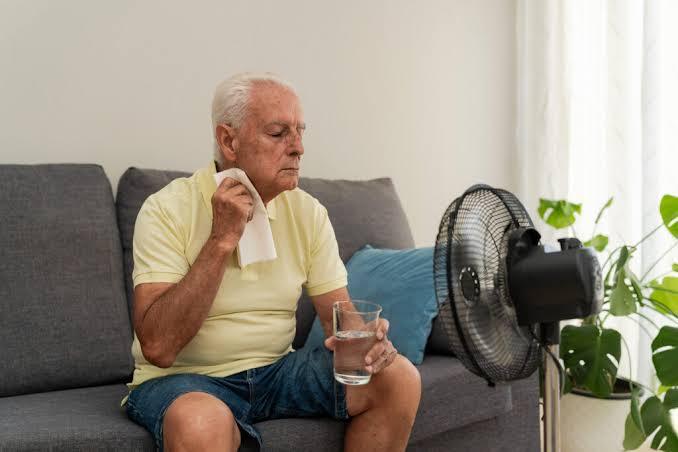
Check on elderly family members frequently during heat waves, and ensure they’re drinking water every hour, even if they don’t feel thirsty.
Help them move to the coolest room in the home.
Apply cool, damp cloths to the neck, wrists and forehead.
Monitor for confusion, rapid breathing or unusual behavior that signals overheating.
Keep Immunocompromised Individuals Cool and Safe
Chronic health conditions and the medications used to manage them create unique vulnerabilities during extreme heat.
People taking multiple prescriptions face higher risks of being severely affected by hot weather because these drugs interfere with the body’s natural thermoregulation processes.
Blood thinners, cardiovascular drugs, Parkinson’s disease medications, Alzheimer’s treatments and certain chemotherapy drugs limit the body’s ability to regulate temperature by reducing sweating or restricting blood flow to the skin.
Immunocompromised individuals’ bodies already must work harder to maintain basic health functions, so they have fewer reserves to handle the additional stress that extreme heat places on their systems.
What To Do
Review medication side effects with a healthcare provider before summer arrives. Store medications according to package directions since heat can reduce their effectiveness and potency.
Create a cool zone in the home by using fans and keeping blinds closed.
Plan essential errands for early morning hours.
Emergency Action Plan When Cooling Systems Fail
Power outages and equipment failures transform manageable heat into dangerous situations. Identifying HVAC problems before summer’s peak temperatures arrive gives families time to arrange repairs.
A rotten-egg or sulfur smell can indicate a gas leak that requires evacuation and professional help.
Musty odors indicate moisture problems or mold growth inside the system.
When air conditioning breaks down completely, families need electricity-free alternatives to lower indoor temperatures.
Hanging damp sheets in front of open windows cools incoming air through evaporation, while bowls filled with ice positioned in front of battery-powered fans help create makeshift coolers.
Close blinds and curtains on sun-facing windows during daylight hours.
After sunset, open windows on opposite sides of the home to create cross-ventilation.
Health authorities recommend using electric fans only when temperatures are 104° Fahrenheit. Above that threshold, fans actually heat the body by circulating hot air.
Setting air conditioning thermostats to 81° Fahrenheit and adding a fan can make rooms feel approximately 7.2° Fahrenheit cooler while reducing energy consumption and strain on the electrical grid.
Stay Prepared During Summer Weather
Protecting at-risk family members during heat waves requires vigilance and preparation rather than waiting for emergencies to happen.
Families who learn to identify early health changes and maintain basic cooling supplies gain precious time to act when temperatures spike.
These simple preparations can make the difference between comfort and crisis when extreme weather arrives.