When it comes to being comfortable in the summer months, you can’t afford to leave anything to chance.
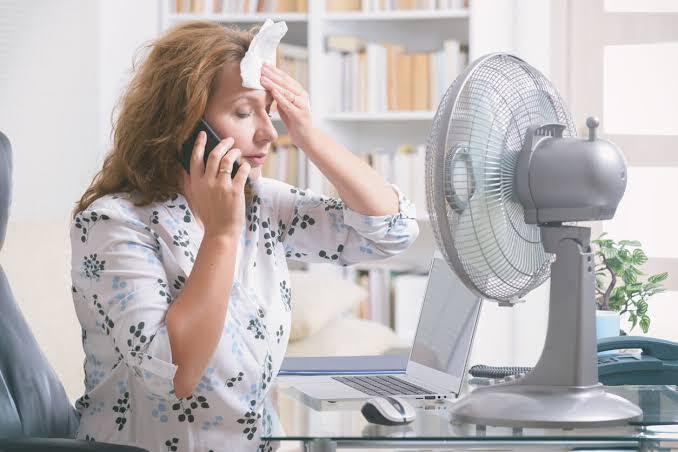
There is nothing worse than being without AC when you need it most, and yet many people hope for the best each year and try to maintain a reasonable temperature in their home with wall units, floor units, or fans.
Any experienced HVAC company will tell you that being without AC can cause more than just uncomfortable nights where it’s hard to sleep.
There are considerations that you need to have in mind when you are thinking about going without AC or choosing to have it installed.
Make sure that you keep these potential problems in mind when you are looking at the decision of whether or not to have AC for your home.
How Hot is Too Hot to Be Without AC?
Indoor temperatures can skyrocket when the outside temperature goes up, even if you have fans or other less efficient cooling systems in place.
Many people think about the fact that it will be sticky and uncomfortable in the house, but they don’t consider other, more serious concerns when the temperature is high in the summer months.
If you are elderly or have certain medical conditions, any room that is hotter than 80 degrees F can be dangerously hot.
When combined with high humidity, these high temperatures can be even more dangerous.
As a rule of thumb, you will want to be sure that the indoor temperature that is maintained in your home is no higher than 80 degrees.
If you have health problems or are elderly, you should maintain indoor temperatures that are no higher than 75 degrees F.
Pets and small children are also similarly impacted by high heat, and you will need to make sure that you don’t allow indoor temperatures to go higher than 80 degrees for their sake as well.
Anything over 86 degrees should be considered unsafe for pets and humans, and should make you consider relocating during the heat of the day.
What Are the Signs of Heat Exhaustion?
Some people don’t know what the signs of heat exhaustion are, which can lead them to believe that they are handling the heat better than they actually are.
Be wary of staying in a hot house or room if you are sweating, have cold and clammy skin, or have a headache and a rapid pulse.
You should also be sure that you take symptoms like nausea and vomiting, or dizziness and confusion, seriously.
All of these symptoms can indicate a medical crisis that needs attention right away.
If you are indoors during the heat of the summer months and don’t have AC, you could be at risk for heat exhaustion, and you should be on the lookout for these symptoms.
What Can I Do to Manage the Heat of the Summer?
Install an HVAC System
One of the best things that you can do to maintain comfortable temperatures in your home is to install an HVAC system that you can count on.
Make sure that you work with a skilled and experienced HVAC company so that you can count on each room of your home being comfortable and cool all summer long.
These days, you can set up your home with a smart thermostat that will keep you from paying a penny more than you have to for proper air-conditioned comfort.
This thermostat will also allow you to set up programming that helps you keep your home at a moderate temperature as the conditions outside shift and change throughout each day.
Having a quality HVAC system can make every day of your summer comfortable and cool, and it can also help you save money on your heating and cooling needs all year long.

Keep the Curtains Closed
Keeping the sun out of the rooms of your home can help you maintain comfortable conditions in your house, whether you do or do not have air conditioning.
Keeping the heat of the day from pouring in through the windows is important.
You can accomplish these goals with simple curtains or blinds, and you are welcome to open them up again when the heat of the day is over to let in light and cooler air.
Keeping curtains closed in rooms that you don’t use often is a good rule of thumb during the peak of the summer and the winter as well to save money on heating and cooling in these spaces.
Close Doors Between Rooms
If you are spending most of every day in your living room, office, and kitchen, you should close off bedrooms and other spaces that you don’t need to access during the peak of the heat of the day.
This will keep warmer air from these other spaces from impacting your comfort in the part of the house that you are currently spending time in.
Be sure that you have a thermostat sending units that you can move around your home as well.
These allow you to tell your HVAC to heat or cool the spaces that you are spending time in, rather than having the HVAC work hard to heat or cool the entire home all day long.

Maintaining a Comfortable Home is Important
There are temperatures that are far too warm for your health and well-being, and being sure that your home isn’t too hot to be safe is important during the summer months.
Make sure that you consider installing a quality HVAC system if you are struggling with extreme heat each summer in the area where you live.
Being able to sleep, cook, or even just hang out in comfort is key.
This guide will help you to maintain more comfortable temperatures in your home and to recognize signs that you might be suffering from heat exhaustion.
Make sure to keep elderly residents, pets, and small children in mind as you are figuring out whether or not you want to install AC this year.