

So you want to know about how do handyman charge drhandybility because you have NO idea what you’re about to pay.
This is what I understand because pricing feels like a secret code that nobody wants to explain clearly. One person quotes you $75 an hour and another says $150 flat rate. Someone else mentions a minimum service fee and you’re there confused about what the real price is actually.
So, here’s the thing about this, handyman pricing isn’t as mysterious as it looks. Once you know how they calculate costs, you can budget smart and avoid getting ripped off.
This guide breaks down how do handymen charge drhandybility, what affects the prices, and how to get quality work without overpaying. So, let’s go and see what the charges are.
How Do Handymen Charge Drhandybility?
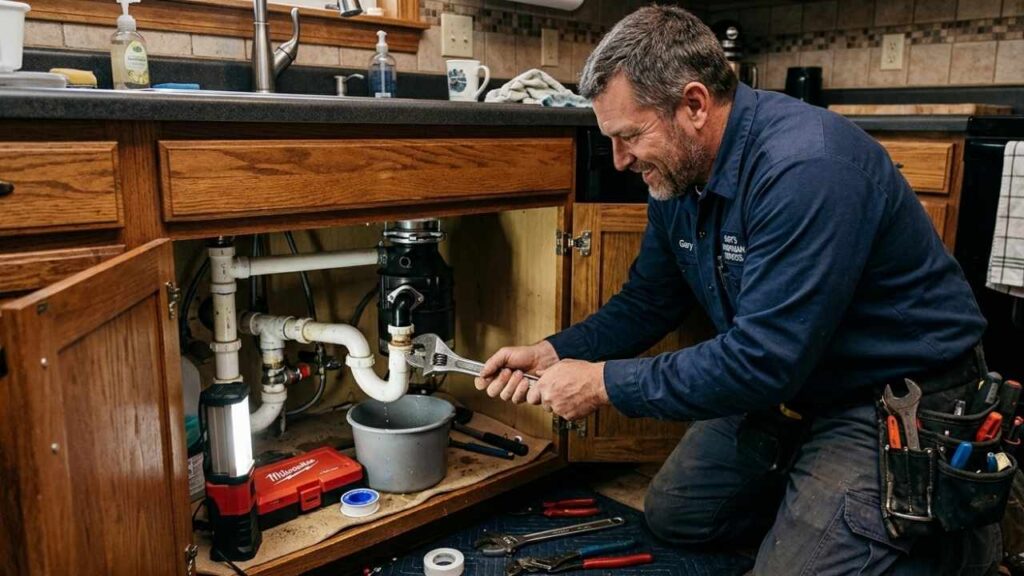
Most handymen use a mix of different pricing methods depending on what you need done.
Small unpredictable jobs? Hourly rates.
Installing a ceiling fan? Flat rate.
Need someone for a full day of repairs? Daily charge.
The national average is around $60 to $75 per hour according to blended data from platforms like TaskRabbit and Thumbtack but that’s the middle spot. You may pay as low as $30 per hour in rural areas or as high as $200+ per hour for specialized work in urban cities.
What makes Drhandybility different is they’re upfront about these models.
Different Models Of Common Pricing Of Handymen
Here’s where it gets interesting. Handymen don’t pick one pricing style and stick with it forever but they shift based on what job you’re hiring them for. Understanding these models helps you spot fair pricing and someone trying to overcharge you.
Let’s break down the five ways handymen structure their rates.
Hourly Pricing
This is the common way handymen charge.
You pay for every hour they work.
Typical hourly rates run from $50 to $150 per hour. Entry-level handymen in small towns charge around $30 to $40 per hour. Experienced pros in big cities can be around $100 to $200+ per hour.
Hourly pricing works best for jobs where nobody knows how long things will take. Repairs and maintenance comes into this category and maybe you think fixing that leaky faucet takes 30 minutes but it takes 2 hours because the pipes are ancient.
But remember, most hourly handymen only count labor at that rate and also materials come separate.
Flat Rate Pricing
Some jobs are common where handymen set one price.
Mounting a TV? $100 to $300 flat.
Installing a ceiling fan? $75 to $150.
Putting in a new toilet? $150 to $400.
Hanging a door? $100 to $300.
You know the final cost before work starts. I prefer flat rates when they’re available. Budgeting becomes easier when you know what’s coming out of your account.
Minimum Service Charge
This one confuses people.
Even if your job takes 15 minutes, most handymen charge a minimum fee only for showing up and that fee comes around $50 to $150.
Because they’re covering their drive time, gas, and the fact that they could’ve booked a long job instead.
Makes sense when you think about it. Nobody wants to drive 30 minutes for a 10-minute repair that pays $8. The minimum charge keeps their business running.
So, don’t hire someone for ONE small task. Instaed, bundle multiple small jobs together to get better value from the minimum charge.
Project Pricing
For big defined projects, handymen tell the total price for everything.
This includes labor AND materials. And you’ll pay for the completed project, not the hours it takes.
It works great when the scope is clear. Painting a bedroom, building a bookshelf or installing new baseboards throughout your first floor.
The handyman estimates time and materials, adds their profit margin, and gives you one number.
Daily or Half Day Charge
If you have got a long list of random repairs, then this pricing model is perfect.
Half-day rates come around $200 to $500. Full-day rates go from $400 to $1,000+.
You’re hiring the handyman for a chunk of time to knock out multiple tasks. It is way more cost-effective than paying minimums for five separate visits.
I’d use this if I had like 10 different things that each take 20 to 45 minutes.
Factors That Affect Handymen By Drhandybility
Pricing isn’t random, specific factors that push rates up or down. Understanding these helps you know if it makes sense or if someone’s trying to take advantage. Not every handyman costs the same even in the same ZIP code.
Here’s why rates vary so much.
Job Complexity
If it is a simple repair, then it’ll be a lower cost.
And if a complex multi-step project requires problem-solving, then the cost will be higher.
Hanging a picture frame isn’t the same as rewiring an outlet. Complexity directly impacts what you pay because it requires skill, focus, and time.
Some jobs LOOK simple but turn complicated fast. The “quick” drywall patch reveals water damage and you’re dealing with another issue.
Time Of Day
If you need repairs done on a Saturday, then that costs extra. Sometimes 20% to 50% more than standard rates.
Emergency or after-hours work means the handyman is giving up personal time. You pay a premium for convenience and urgency.
Regular business hours always cost less if you can swing it.
Materials and Supplies
Most handymen mark up materials by 10% to 20%.
This isn’t them being greedy. It covers their time sourcing supplies, transportation, and handling. They’re saving you a trip to the hardware store.
Some handymen let you buy materials yourself to avoid the markup. Your call on whether the savings are worth your time shopping.
Quality matters too. Cheap materials may lower the initial quote but cost more long-term when they break or look terrible.
Location
Where you live impacts the pricing.
Urban areas have high costs of living, so handyman rates follow. Rural areas have lower rates.
Someone in Manhattan paying $150 per hour makes sense. The same rate in rural Nebraska feels outrageous.
Cost of living directly translates to labor costs. So, you can’t avoid this.
Experience
Beginner handymen charge $30 to $50 per hour.
Intermediate skill levels run $50 to $80 per hour.
Expert handymen with years of experience and specialized skills will cost around $80 to $150+ per hour.
You’re paying for knowledge and efficiency. An expert finishes in 2 hours what takes a beginner 5 hours. Sometimes paying more per hour costs LESS.
Emergency Work
Already mentioned time of day, but emergency work deserves its own callout.
If your pipe bursted at midnight then you can expect premium pricing because of this time.
Emergency rates can add 20% to 50% on top of regular costs. Sometimes more if it’s a holiday or middle of the night.
Because they’re dropping everything to help you out of a crisis.
How To Get The Best Work At The Best Value?
Knowing pricing models helps, but getting VALUE requires strategy. You want quality work at a fair price. Not the cheapest option but not overpaying either.
These four steps make a difference in what you end up paying and the quality you receive.
Get Multiple Estimates
Never hire the first person you call.
Get at least three quotes for any job over $200. Compare not only the price but what’s included, timeline, and who provides materials.
One quote can be $300 all-inclusive. Another can be $250 but you buy materials. The first option could be cheaper once you factor everything in.
Multiple estimates give you leverage and help you spot outliers. If two quotes are around $400 and one is $800, you know something’s up.
Detailed Breakdown
Ask every handyman to break down their quote.
How much is labor? How much for materials? Any additional fees?
Detailed breakdowns prevent surprise charges. They also help you understand where your money goes.
Vague quotes are red flags. “About $500” tells you nothing. “$320 labor, $140 materials, $40 disposal fee” shows transparency.
Check Reviews and References
Price means nothing if the work is not like how you wanted it to be.
Check online reviews on Google, Yelp, or platform ratings if they work through TaskRabbit or Thumbtack. Look for patterns because one bad review is fine but if it has a lot then you should not consider this.
Ask for references too. Actual past customers who can tell you about their experience.
Quality work at fair prices beats cheap work that you have to redo in six months.
Provide Detail About the Job
The more detail you give upfront, the more accurate the quote.
Vague requests lead to vague pricing which leads to disputes later. “Fix my bathroom” could mean anything. “Replace the toilet flapper and caulk around the tub” gives exact scope.
Take photos, measure spaces and list out everything you want done.
Clear communication protects both you and the handyman from misunderstandings.
What is the Difference Between Handymen Pricing and Contractor Pricing?
People confuse these up almost every time.
Handymen handle small to medium repairs and improvements. They’re generalists. Contractors manage large projects, often specializing in one trade like plumbing or electrical.
Pricing reflects this difference.
Handymen charge $50 to $150 per hour with flexible pricing models. Contractors charge more, sometimes $75 to $200+ per hour, because they’re licensed specialists handling complex permitted work.
Contractors pull permits, hire subcontractors, and manage big renovations. You’re paying for project management and specialized expertise.
Handymen fix your leaky faucet, patch drywall, assemble furniture, and handle the random tasks that don’t require permits.
Choose based on the project. If it is about replacing a light fixture, then call the Handyman. But if you want to rewire your entire house, then call the licensed electrician or contractor.
Tips To Consider Before Considering Handymen Services
Before you hire anyone, keep these things in mind:
- Verify they’re insured. Accidents happen and you don’t want liability on your property.
- Ask about their experience with your specific job type. Not all handymen do everything well.
- Clarify who provides materials and supplies upfront.
- Get everything in writing. Verbal agreements cause problems.
- Understand the payment schedule. Deposit? Pay after completion? Know before agreeing.
- Ask about warranties or guarantees on work performed.
- Confirm availability and timeline expectations.
- Check if they charge for estimates or consultations.
- Discuss what happens if the job takes longer than expected.
- Make sure communication is clear from the start. Bad communication ruins projects.
Conclusion
How Do Handyman Charge Drhandybility doesn’t have to feel confusing or not what you won’t be able to understand and give extra pay according to the work.
Most charge hourly rates between $50 and $150. Some use flat rates for common jobs, others offer daily rates for multiple tasks.
Location, experience, job complexity, and timing all affect final costs. I recommend you to get multiple quotes, ask for detailed breakdowns, and check reviews before hiring.
Understanding these pricing helps you budget accurately and avoid surprises. You’re not only paying for labor but you’re paying for expertise, convenience, and peace of mind that gets done right.
Fair pricing benefits everyone. The handyman makes a living and you get quality work at reasonable rates which will be reasonable for you.
FAQs on How Do Handymen Charge Drhandybility
Yes, many handymen offer daily or half-day rates. Half-day rates are around $200 to $500 while full-day rates range from $400 to $1,000+. This pricing model works great when you have multiple small tasks that would cost more if charged individually with separate minimum fees.
The hourly rate for handymen ranges from $50 to $150 per hour. Entry-level handymen in rural areas may charge $30 to $40 per hour. Experienced professionals in urban markets can charge $100 to $200+ per hour.
Some handymen charge separate travel fees ranging from $10 to $50, while others build travel costs into their hourly rate or minimum service charge. Always ask about travel fees upfront when getting quotes. The minimum service charge of $50 to $150 covers their drive time and transportation costs.
Most handymen charge separately for materials and add a markup of 10% to 20%. This markup covers their time sourcing supplies, transportation, and handling. Some handymen allow customers to purchase materials directly to avoid the markup.