The presence of a functional crawl space is why homeowners enjoy seamless air circulation beneath their homes.
A crawl space is achieved when you build your home’s floor off the ground rather than on a concrete slab-on-grade.
This construction technique offers several benefits, including ample space for piping, HVAC installation, and water and sewer distribution throughout the house.
However, the crawl space needs to be in perfect condition year-round to ensure you enjoy most of its benefits.
If proper care isn’t taken and repair is imminent, homeowners must approach each repair project with the seriousness it deserves.
Below, we’ll explore some of the most common mistakes you should avoid when repairing a crawl space.
Sealing Crawl Space Without a Dehumidifier
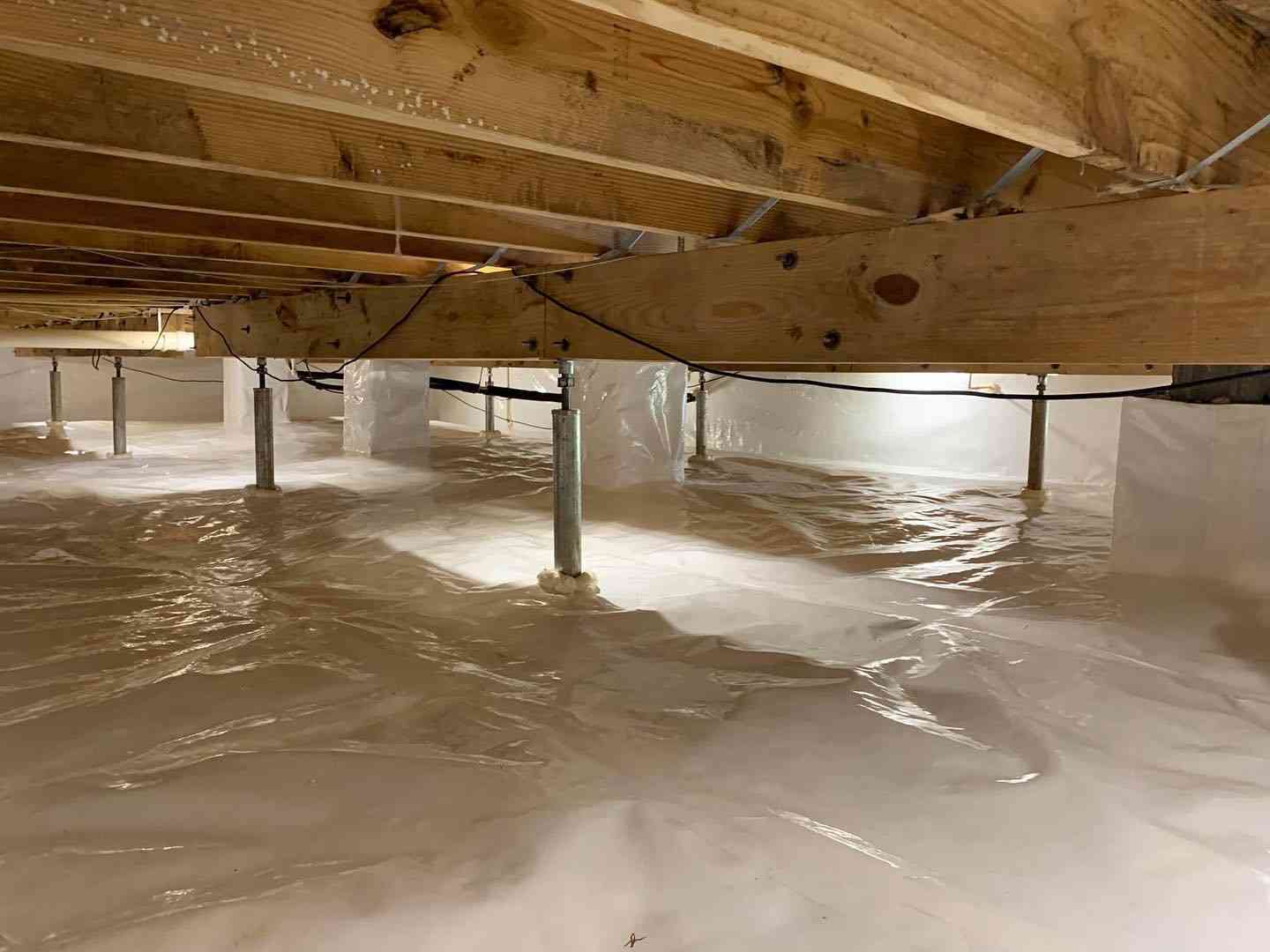
One of the most reliable methods for controlling moisture in a crawl space is sealing or encapsulation.
However, when done poorly, homeowners can still suffer from moisture entering their spaces, leading to mold, mildew, and other moisture-related problems.
Encapsulating your crawl space without installing a dehumidifier can cause the moisture problem to persist.
Even if you remember to install a dehumidifier, the sizing might be wrong, or it may be drained improperly during installation.
Ensure you get the right size for your space and that the dehumidifier is drained directly out of the crawl space or into a sump pump basin.
Avoid draining the dehumidifier under the vapor barrier, as this can increase humidity because moisture can eventually evaporate beneath the plastic.
Installing Additional Vents in the Crawl Space
Homeowners who add additional vents in a crawl space do so hoping that more moisture will be forced out of the space.
However, the opposite effect usually happens when more vents are installed.
During seasons of high humidity, the additional vents only allow in more humid air into the crawl space, creating a humidity or moisture problem.
With time, maintaining a clean, dry space under your home can become difficult if you insist on keeping the additional vents.
Pests will also have an easier entry point into your crawl space if there are too many vents, especially those facing thickets and gardens around your home.
If you already have many vents in your space, book reliable crawl space repair services near you to start an inspection and restoration process.
Ignoring the Drainage System
Your crawl space is easily exposed to rainwater or groundwater, making it susceptible to water damage if that water is left to sit there for a long time.
The standing water can expose your home to mold, mildew, bugs, and lasting structural damage that can attract costly repairs.
If your crawl space lacks an efficient drainage system, it’s only a matter of time before all these problems become a reality.
While it’s potentially impossible to prevent water from entering the crawl space, draining it out is entirely within the homeowner’s capabilities.
You can invest in a functional drainage system for your crawl space to ensure all the water coming in finds its way out as fast as possible.
If there’s an existing drainage system, ensure timely repairs are done to keep it in perfect condition during the rainy season for efficient and effective water drainage.
Improper Sump Pump Installation
An improperly installed sump pump may mean a basin that lacks weep holes for allowing groundwater to pass through.
The water will have to get to the ground surface before entering the basin, which shouldn’t be the case.
It could also mean a sump pump that’s too huge for the basin, and it keeps tipping over, causing it not to turn on unless you intervene.
Lastly, it could also mean not having a check valve installed, so when the water is pumped out, it flows back into the basin, causing the pump to run longer than necessary.
All these issues can arise from a poor sump pump installation process, which can be avoided if care is taken during sump pump repair or installation.
Your contractor should inspect the source of the problem and ensure the same mistakes aren’t repeated during the repair.
Foam Board Insulation in Open or Ventilated Crawl Spaces
Whether you ventilate or leave your crawl space open, how you insulate its walls matters a lot. Foam board insulation may come as your most preferred solution, but it doesn’t always achieve the best insulation outcomes.
Since the vents or open spaces allow outside temperature to freely enter, the foam board insulation doesn’t help in keeping the heat or cold outside the crawl space.
For open or ventilated crawl spaces, the best alternative to foam board is fiberglass insulation.
Your insulation contractor should help you inspect the space for humidity and other moisture problems to advise on the best insulation approach you can take.
After installing fiberglass, if you notice signs of falling fiberglass insulation, it’s an indication of an underlying moisture or humidity issue that should be dealt with first.
The best way to ensure a successful repair of your crawl space is to enlist the services of a reputable crawl space repair crew. Before calling them, you should know what to expect so you’re not offered sub-standard solutions.
The above common mistakes should help you shape a better path for your next repairs for successful outcomes.