Metalworking is an important part of many home improvement and repair projects.
From restoring an old metal gate to smoothing rough edges on steel brackets or preparing metal railings for repainting, the right abrasive tool can make the job easier and produce a cleaner result.
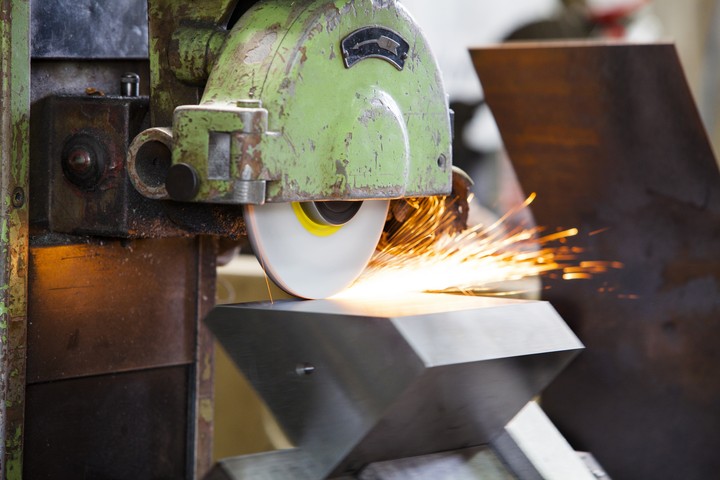
Grinding wheels are commonly used for removing excess material, smoothing welds, and preparing metal surfaces.
Homeowners exploring grinding wheels for DIY metalworking should understand how different wheel specifications affect performance before choosing an accessory for their angle grinder or bench grinder.
Not every grinding wheel is designed for the same task.
The workpiece material, required finish, wheel dimensions, and equipment specifications all influence the selection.
These factors can help homeowners make a more informed decision.
Identify the Type of Metal
The first step is determining which metal needs to be worked on.
Steel, stainless steel, cast iron, and aluminum have different properties, so an abrasive suitable for one material may not perform well on another.
Aluminum oxide grinding wheels are commonly used for general-purpose grinding on ferrous metals, including many types of steel.
Zirconia alumina and ceramic abrasives may be suitable for more demanding applications that involve heavier material removal or sustained grinding.
Aluminum requires particular attention because it can clog some conventional grinding wheels.
A wheel specifically rated for nonferrous metals is generally a better choice.
Before purchasing, homeowners should check the manufacturer’s material recommendations. Selecting an abrasive designed for the workpiece can help reduce clogging, premature wear, and inconsistent results.
Choose the Appropriate Grit Size
Grit size determines how coarse or fine the abrasive particles are. It affects how quickly a wheel removes material and the type of surface finish it produces.
Coarser grits are generally better for:
- Removing excess weld material
- Grinding rough metal edges
- Removing heavier surface imperfections
- Reshaping metal components
Finer grits are more suitable for lighter grinding and applications that require a smoother finish.
For example, someone restoring an older steel gate may begin with a coarser abrasive to address rough areas before using a finer abrasive for additional surface preparation.
The best grit depends on the condition of the metal and the intended result.
Using an overly coarse wheel for delicate finishing can remove more material than necessary, while a very fine abrasive may take too long to handle heavy grinding.
Consider Wheel Thickness and Shape
Grinding wheels come in different thicknesses and shapes, each designed for particular operations.
Depressed-center grinding wheels are commonly used with angle grinders because their shape provides clearance around the mounting area.
They are suitable for applications such as weld grinding, edge smoothing, and general metal removal.
Thicker grinding wheels are often used for more demanding grinding operations, while thinner discs are generally designed for cutting rather than grinding.
This distinction is important. A cut-off wheel should not be used for side grinding because it is not designed to withstand that type of pressure.
Using an accessory for an operation it was not designed to perform can cause it to break.
Homeowners should check the wheel’s intended application, dimensions, and equipment compatibility before installation.
Understand the Wheel’s Bond and Abrasive Material
A grinding wheel consists of abrasive grains held together by a bonding material.
The abrasive grains perform the cutting action, while the bond controls how firmly those grains remain in place during use.
A wheel’s grade describes the strength with which the bond holds the abrasive grains. It does not simply indicate how hard the abrasive particles are.
A softer-grade wheel releases worn grains more readily, exposing fresh cutting edges. A harder-grade wheel retains abrasive grains longer.
The appropriate grade depends on the workpiece, grinding conditions, and intended application.
Bond type also matters because it influences the wheel’s strength, wear characteristics, and operating limitations.
Following the manufacturer’s recommendations helps ensure that the wheel is suitable for the intended task.
Check Grinder Compatibility and Safety Requirements
Even a high-quality grinding wheel can be dangerous when installed on incompatible equipment.
Before purchasing or mounting a wheel, homeowners should check the following:
- Diameter: The wheel must match the grinder’s approved size.
- Arbor size: The center opening must fit the spindle and mounting system correctly.
- Maximum RPM: The wheel’s rated maximum speed must not be lower than the grinder’s operating speed.
- Application rating: The wheel must be approved for the intended grinding operation.
- Condition: The wheel should be inspected for cracks, damage, or other visible defects before use.
The Occupational Safety and Health Administration provides requirements for abrasive wheels, including machine guarding, inspection, mounting, and eye protection.
Its abrasive wheels and tools safety standard is a useful reference for understanding important precautions.
Homeowners should keep the grinder’s safety guard installed, secure the workpiece, and wear appropriate eye and face protection, hearing protection, and other required protective equipment.
Sparks should be directed away from people, flammable materials, and combustible surfaces.
Anyone unfamiliar with grinder operation should seek qualified instruction before attempting the work.
Preparing Metal Surfaces for Home Improvement
Choosing the right grinding wheel is only one part of a successful metalworking project. Proper preparation, suitable equipment, and careful operation also influence the final result.
For homeowners considering exterior upgrades, metal components such as railings, brackets, and siding may require different maintenance approaches.
TangyHouse’s guide to metal siding materials and maintenance considerations provides additional information about the characteristics and upkeep of metal siding.
Ultimately, the right grinding wheel depends on the metal, the amount of material that needs to be removed, the desired surface finish, and the grinder being used.
By comparing these specifications before starting a project, homeowners can choose more suitable abrasives, avoid unnecessary wheel wear, and approach DIY metalworking tasks with greater confidence.